Tag: nature

  • Almost halfway

    Almost halfway

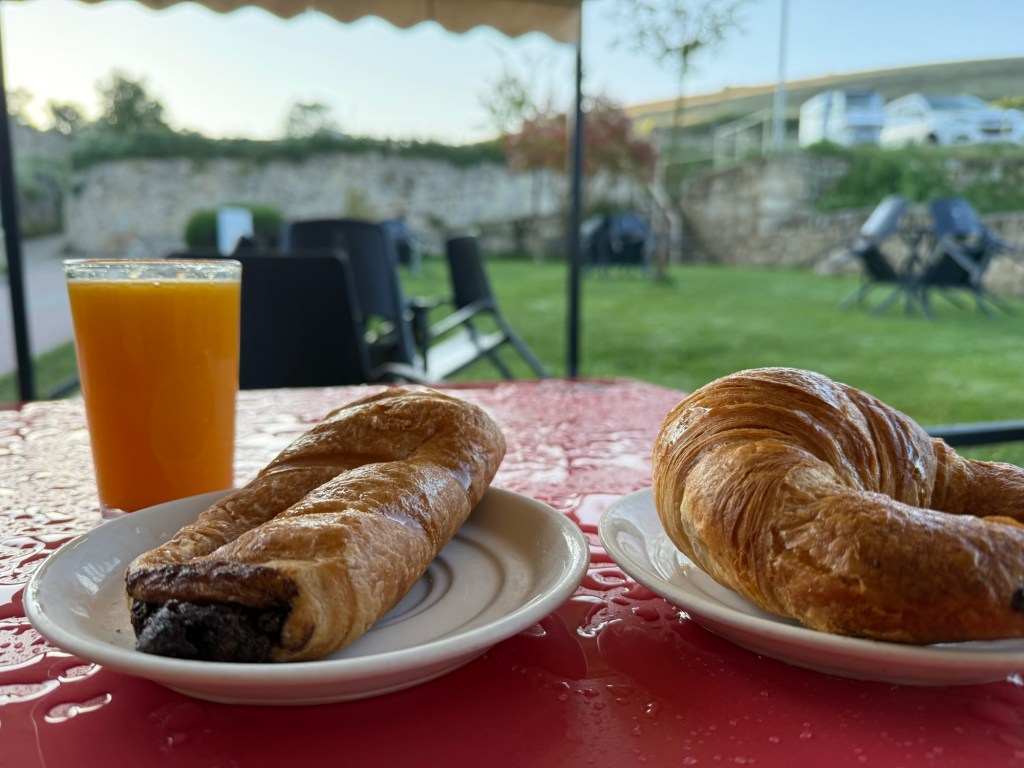
    I woke at 5:30 a.m. About an hour later, I headed downstairs to the mudroom and filled out a transport slip to ship my bag to Frómista, 21 miles west. My shoes, still muddy and wet from yesterday’s rain, were now muddy, wet, and cold. I grabbed my daypack, devoured a pain au chocolat, croissant, and a glass of fresh-squeezed orange juice, and hit the road.
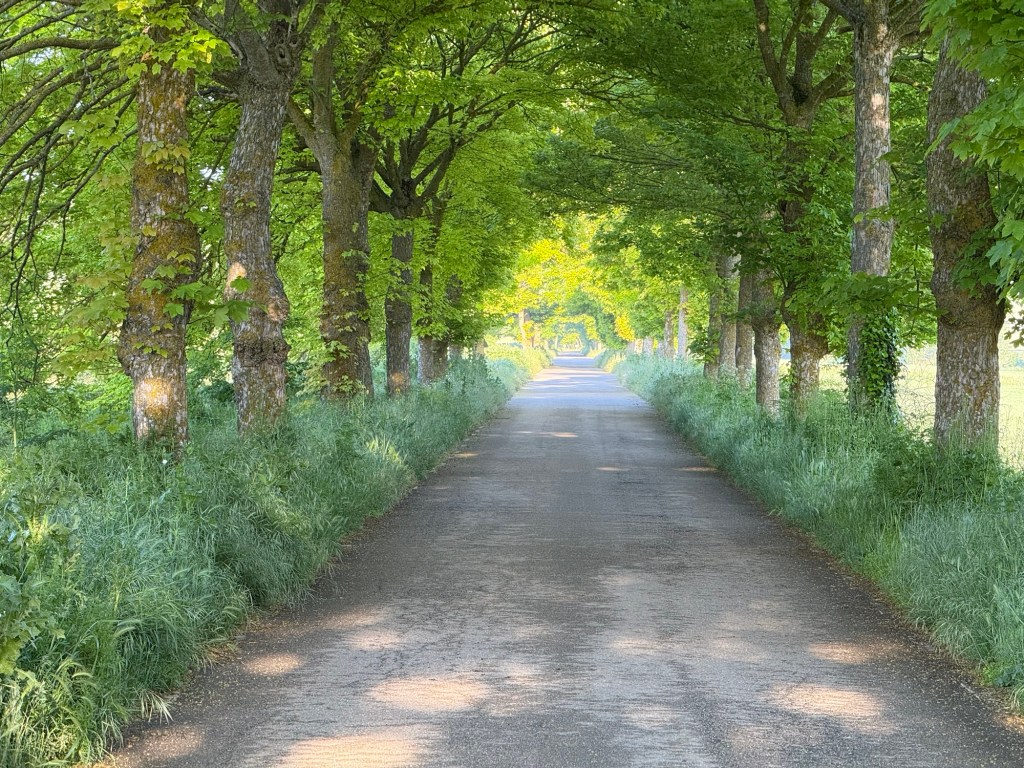
    As I walked through town, the 40-degree streets were shadowed, with no sun to warm them. The air was cold enough that I could see my breath, and I regretted beginning the day in shorts. Once I left town, the sun came around, easing the chill. The first two miles of trail ran beside a one-lane country road. The trail was muddy from the yesterday’s rains, so I walked on the road to keep my the mud from clumping on the soles of my shoes.
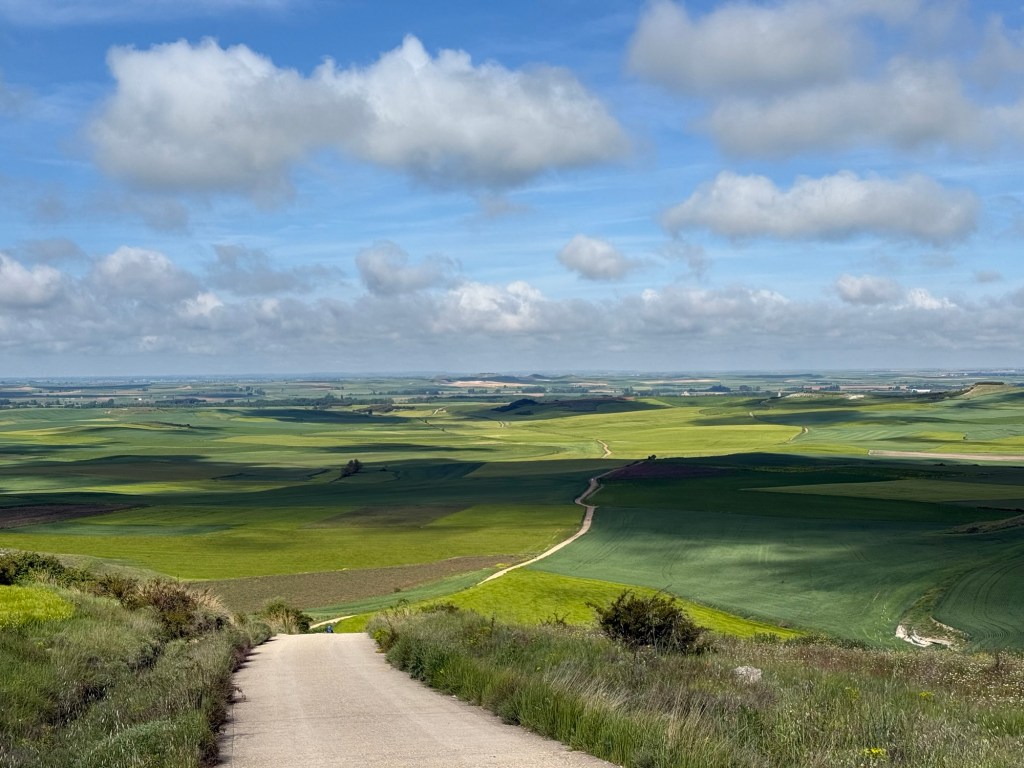
    At the four-mile mark, the road curved right, revealing a large hill topped with a fortress. Beyond it was a 500-foot ridge with a 12.5% grade, the day’s only tough climb. I summited in about ten minutes. The view from the top showed lush green fields stretching endlessly. At the base of the ridge, I checked my hiking app. Only 12 miles remained to Frómista, with no significant climbs left.
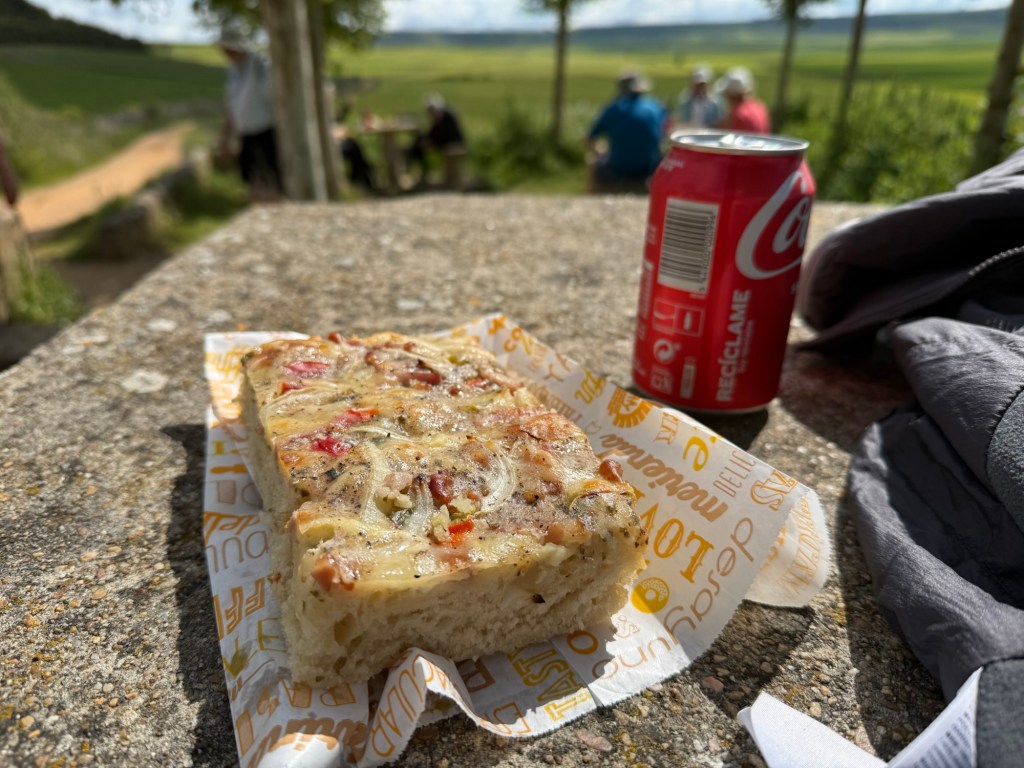
    Around 11:00 AM, a food truck appeared. I bought a slice of ham and onion Sicilian pizza and a Coke for €6.50.
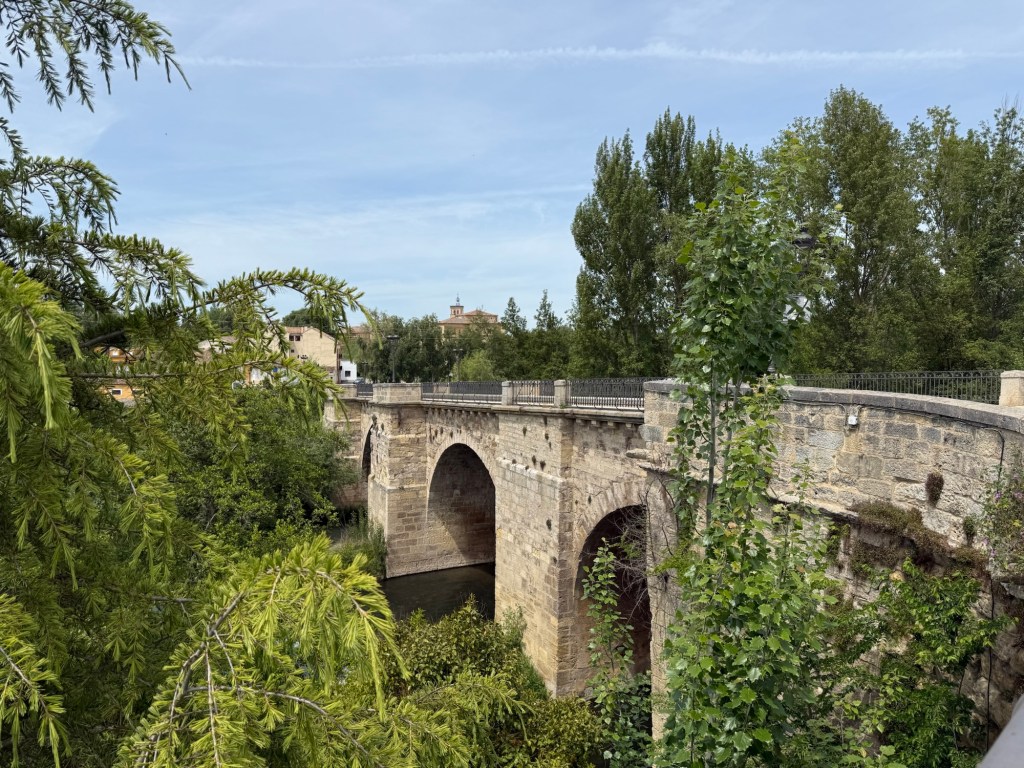
    At the twelve-mile mark, I crossed the Río Pisuerga on an eleven-arch bridge. The bridge, known as Puente de Itero del Castillo, dates to the 11th century.
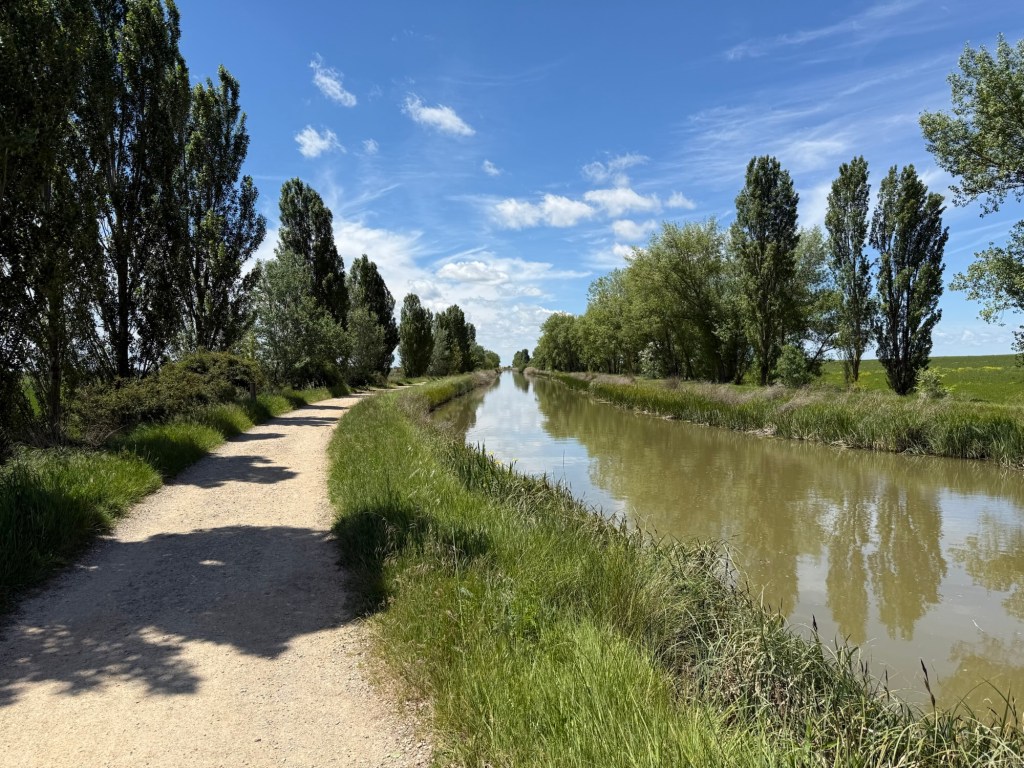
    The final five miles of the day followed the towpath of an old transportation canal. The locks at Frómista were replaced with a dam, suggesting the canal’s main use now is irrigation. A novelty canal boat runs along the corridor a couple of times a day, but waiting two hours to skip a five-mile walk didn’t seem worth it. I kept walking.
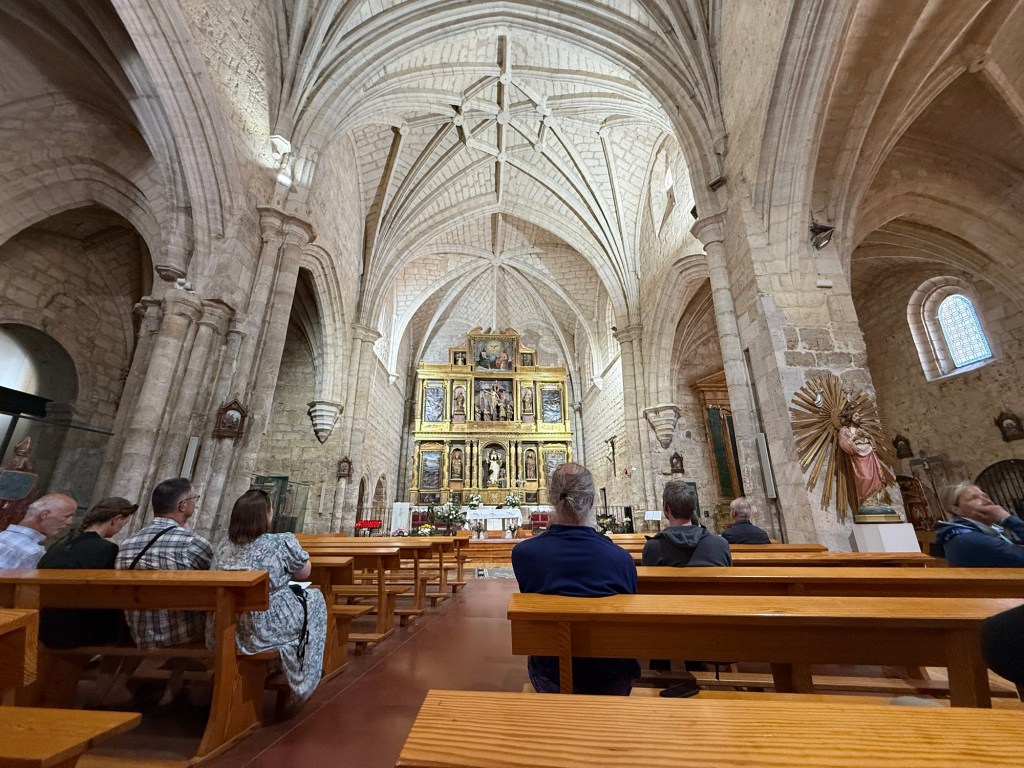
    I checked into the municipal hostel in Frómista around 4 p.m. I went to the local grocery store and bought a can of Pringles. While snacking on the bench out front, a guy, Craig, introduced himself and asked to sit down. Craig is a university professor from Indiana and a former Army infantry officer. After some conversation, I pointed to a poster on a pole nearby. It advertised an organ and Gregorian chant concert at 6 p.m. at one of the churches in town. Craig was interested, so we walked over and sat through the performance.
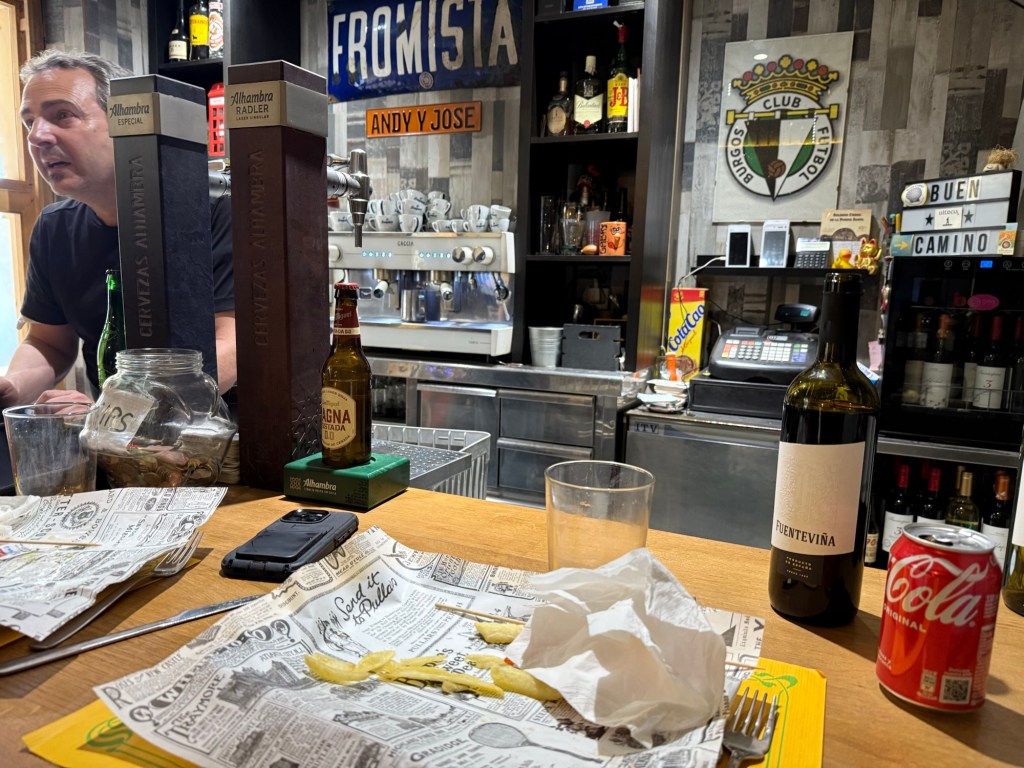
    After the concert, we crossed the street to a restaurant for burgers and fries. We spent three hours talking about the future of U.S. foreign policy and imagining how much generative AI would change the world. At 9:30 p.m., we walked back to the hostel for the night.
  • Encuentro con los toros

    Encuentro con los toros

    I woke up in Puente la Reina with a slight hangover from last night’s beers, but water and exercise are the best cure, so I was in luck. I started hiking just after 7 a.m., and soon hit a gnarly, steep uphill climb that felt endless. Pilgrims were pulled over on the side of the incline from top to bottom, catching their breath, and I joined them for a quick break, laughing with a Dutch pilgrim who blamed his struggle on the previous night’s wine. The view at the top—rolling fields under a pale overcast sky—made the burn worthwhile.

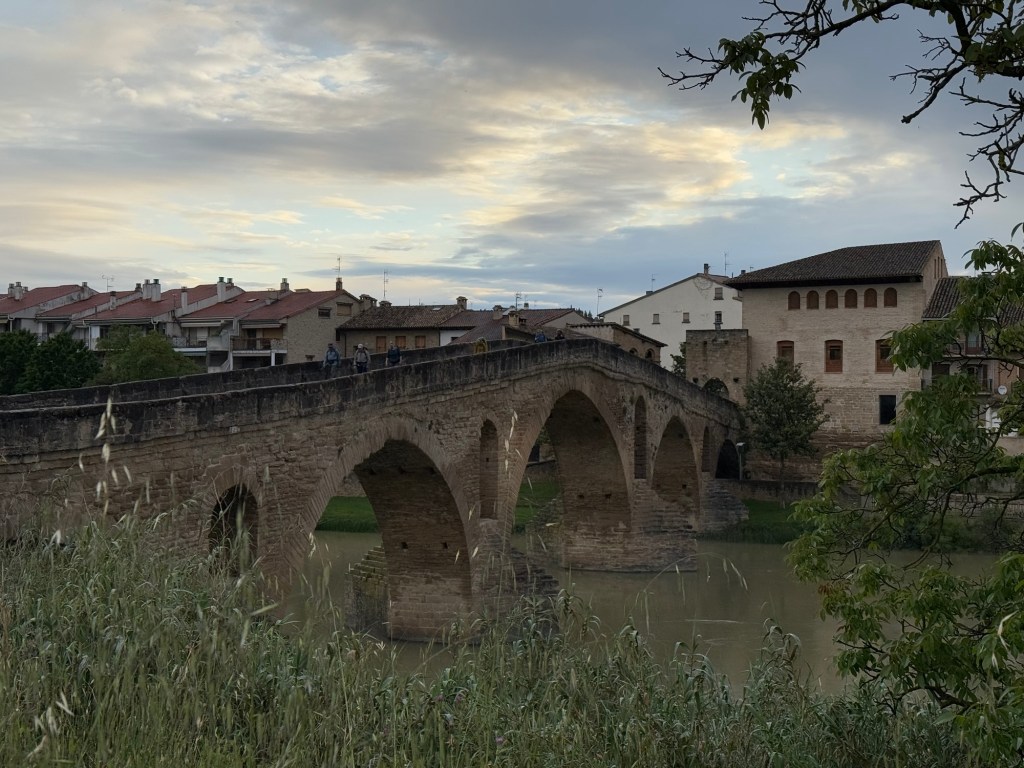
    Puente la Reina

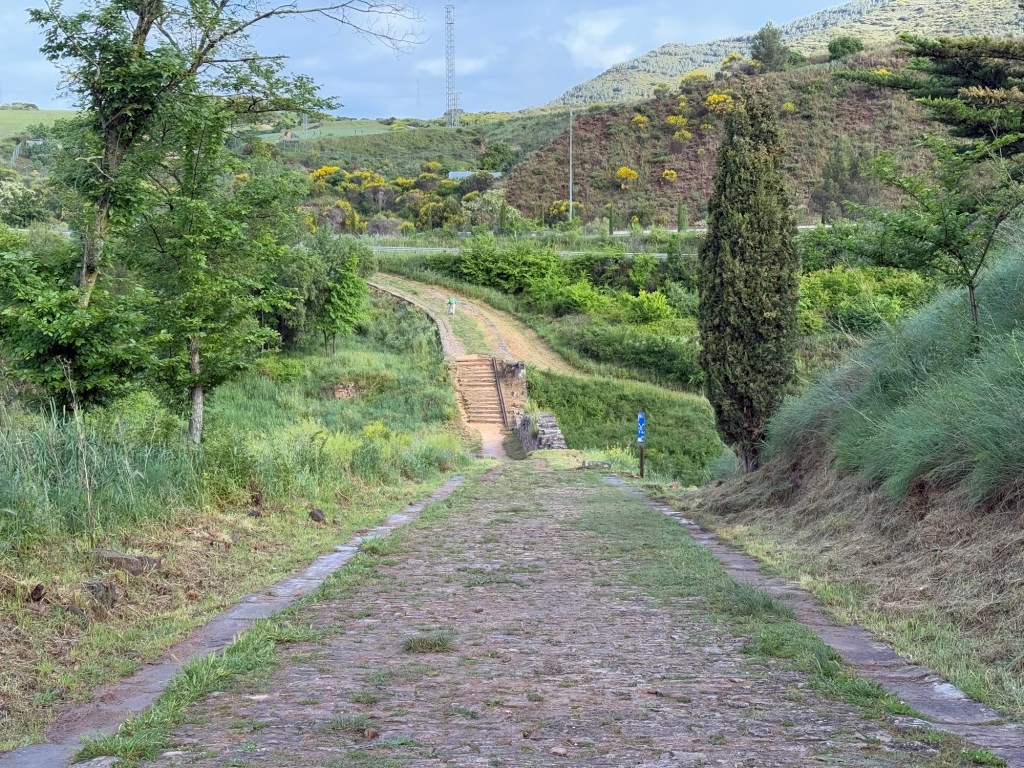
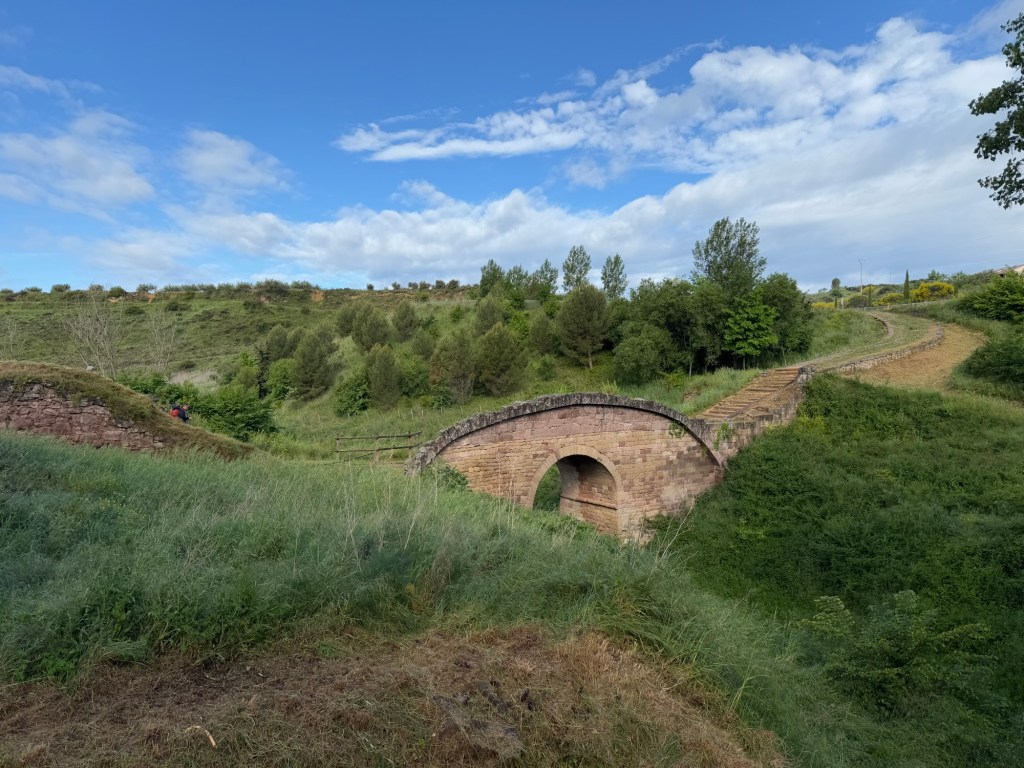
    At 9 a.m. I cut through Cirauqui, a hilltop village with cobbled streets and stone houses. At the town’s exit, I walked a well-preserved Roman road, its ancient cobblestones worn smooth by centuries of travelers, leading to a small bridge with a single, sturdy arch that’s stood since the days of the emperors.

    Old Roman road leaving Cirauqui
    Roman bridge at Cirauqui

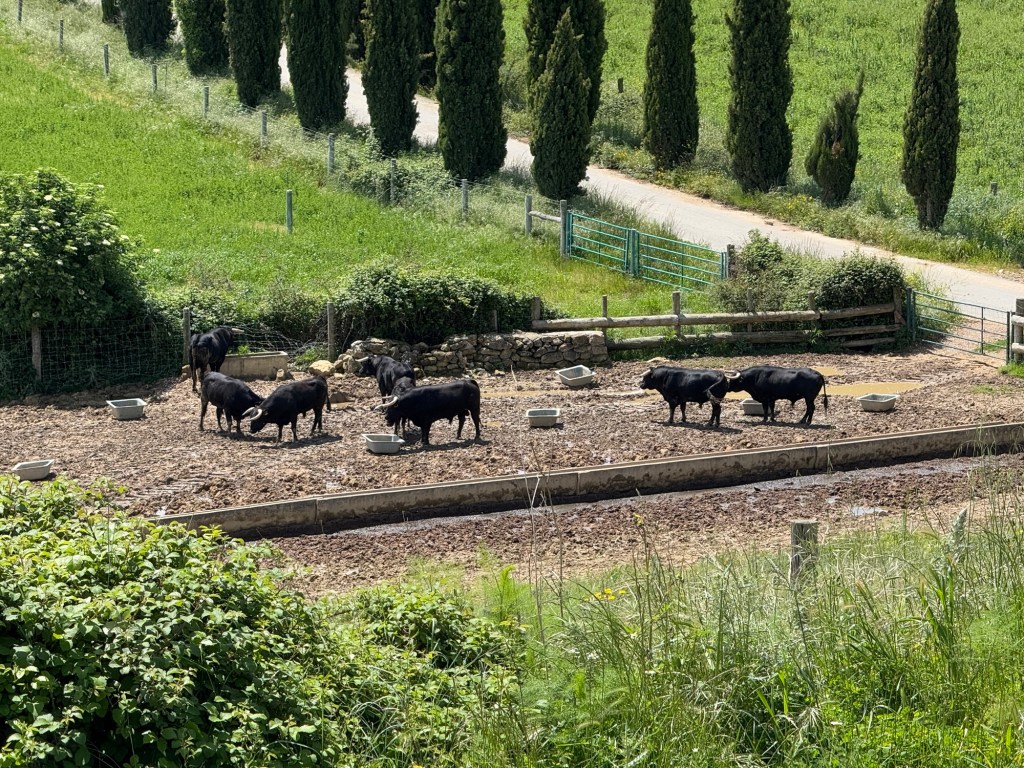
    With soreness and back pain from the previous day easing, I felt strong enough to bypass Estella, pushing 18 miles via an alternative route to Villamayor de Monjardin. Things were going smoothly until I crossed the Ega River and Google Maps told me to turn right onto a road. Two sets of large metal gates blocked the way, so I unlatched and relatched them. The trail continued through a pasture, and as I began to crest the hill, my heart sank. Off in the distance, I could make out several large pitch-black silhouettes with white horns.

    Fuck, Fuck, Fuck.

    I’d inadvertently wandered into a bull pasture.

    GPS tracks of my encounter with los toros.

    I slowly retrieved my phone from my right pocket and double-checked Google Maps and FarOut—a hiking map app. The path seemed accurate. I’ve walked through cow pastures before, but this is Spain. And these were gigantic black bulls. With sharp and shiny horns. And I am not a matador. I took a few seconds to consider my options and quietly and carefully backtracked through the pasture, unlatched and relatched the gates, and retraced my steps to the bridge over the Ega where I’d turned right. Rounding the corner, I quickly identified my mistake when I spotted an overgrown hiking trail hugging the fenceline of the pasture.

    Los Toros from the correct path.

    Heart still racing, I continued on, finally reaching a hostel in Villamayor de Monjardin run by Dutch volunteers. When I arrived, it looked like I would have the place all to myself. At about 6 p.m., I was joined by two brothers—Alden and Grant—from Michigan. We spent an hour talking comedy and politics.

    I showered, turned down dinner, and went to bed early to try and get a good night’s rest.

    The approach to Villamayor de Monjardin
  • Hemingway, Flamenco, and Forbidden Topics

    Hemingway, Flamenco, and Forbidden Topics

    I woke at 7:15 a.m. to the sound of birds chirping and a swollen Arga river rushing from yesterday’s heavy rains. My calves and thighs were sore from the prior days’ hikes, so I popped a couple Advil.

    The Arga River after a night of rain

    In the kitchen, I perused a Basque guidebook while two pilgrims, Martha from the Netherlands and Mary from Ireland, chatted nearby. Upon learning I was American, they immediately dove into two of the three forbidden topics. Mary asked my opinion on Donald Trump, and Martha wanted to discuss American Evangelism. I sidestepped Mary’s question with Marcus Aurelius’ line, “You always own the option of having no opinion.”

    But Evangelism? I grew up in Lynchburg, Virginia. I explained the core mission of evangelists: to save souls from eternal damnation. Some do this loudly with megaphones and signs at public events, like Westboro Baptist Church, while others take a quieter approach, coaxing neighbors to church functions.

    Martha cut in. “I understand all that. I want to hear about tongues and snakes.”

    Alright, I thought, straight to the good stuff. “Are you familiar with Pentecostalism?” I didn’t bother explaining. I pulled out my laptop, opened YouTube, and played a scene from Sacha Baron Cohen’s Borat—the one where Cohen’s character goes to church to get saved. They weren’t ready. Both women erupted in uncontrollable laughter. Halfway through, when Borat asks if Jesus loves his neighbor, Mary, crying from laughing so hard, begged me to stop.

    “Nobody like my neighbor Nursultan Tulyiagby.”

    I let it run a little bit longer, closed my laptop, and put my pack on.

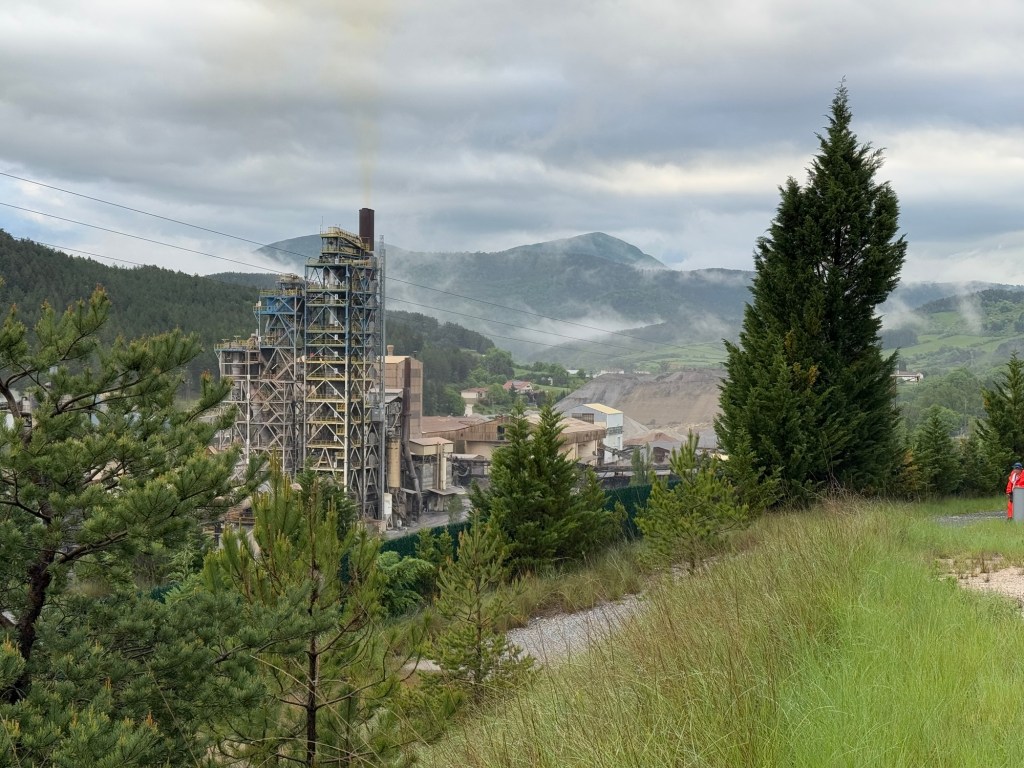
    I set out from Zubiri, passing a magnesium smelting facility a quarter-mile outside town. Cresting a hill, the valley to Pamplona opened before me. The sky was gray, with clouds hanging low over the landscape. The cool air after the rain felt like natural air conditioning.

    Magnesium smelting operation outside of Zubiri

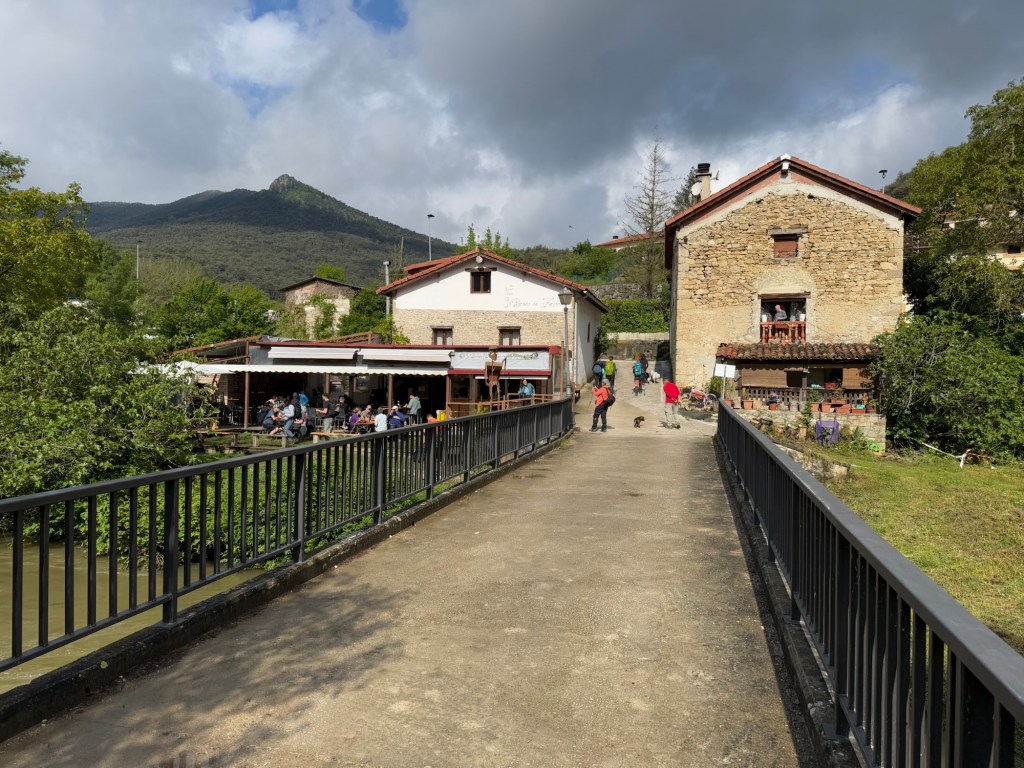
    After five miles, the Camino rejoined the Rio Arga. At 10:30 a.m., I crossed the river at Zuriain and stopped at La Parada, a trailside café, for a roast ham bocadillo. A pair of flamenco guitarists, who appeared to be father and son, strummed away in a corner, their music filling the air.

    Crossing the Arga into Zuriain. La Parada is on the left.

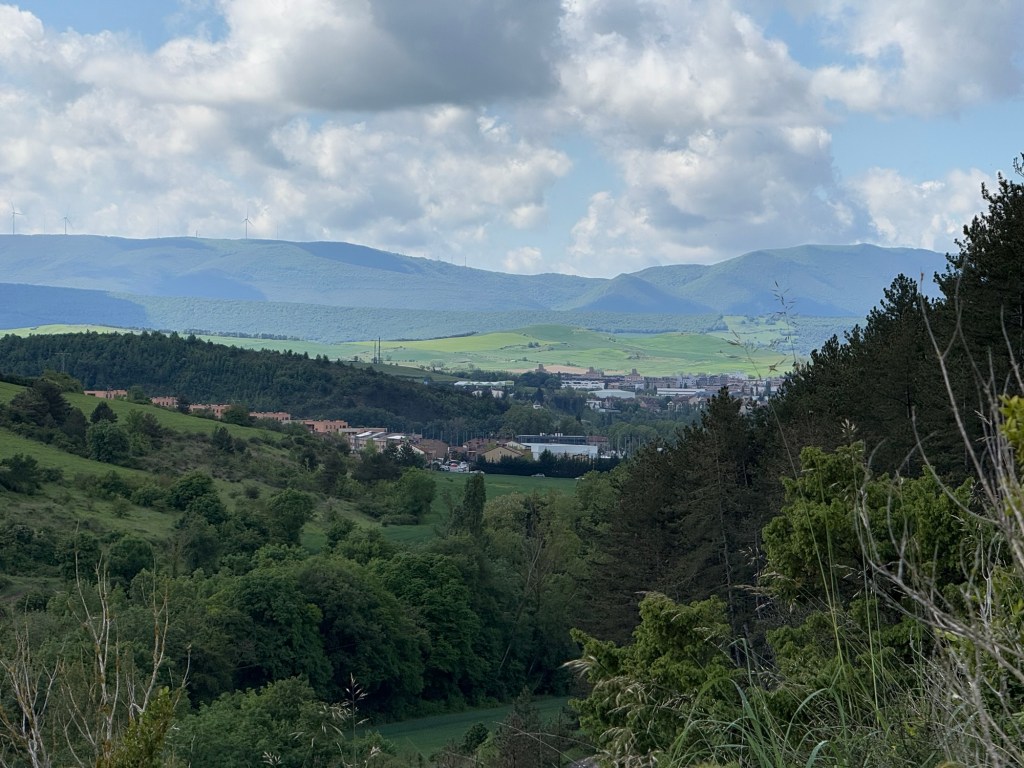
    As I approached Pamplona, the trail climbed up the side of a ridge above the Arga and passed through a gorge. The path rounded the mountain to the west, revealing the first glimpse of Pamplona—a small cluster of white stucco-on-stone buildings with red tile roofs at the base of a lush green hill. Another turn to the southwest brought the city proper into view.

    The northern outskirts of Pamplona

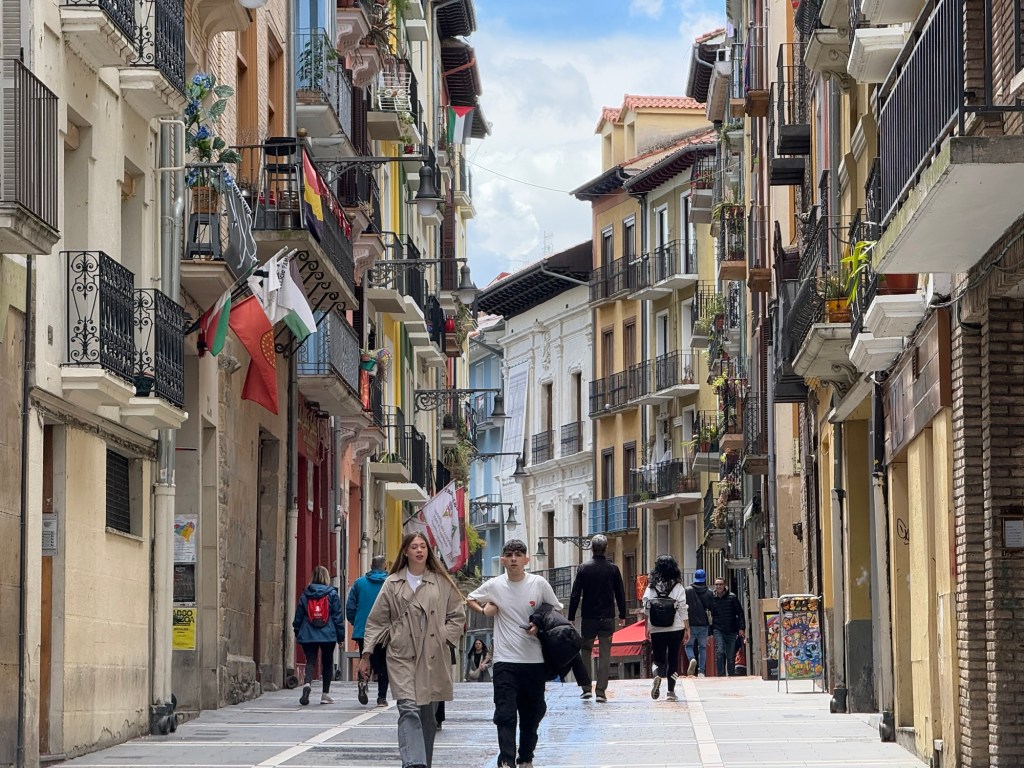
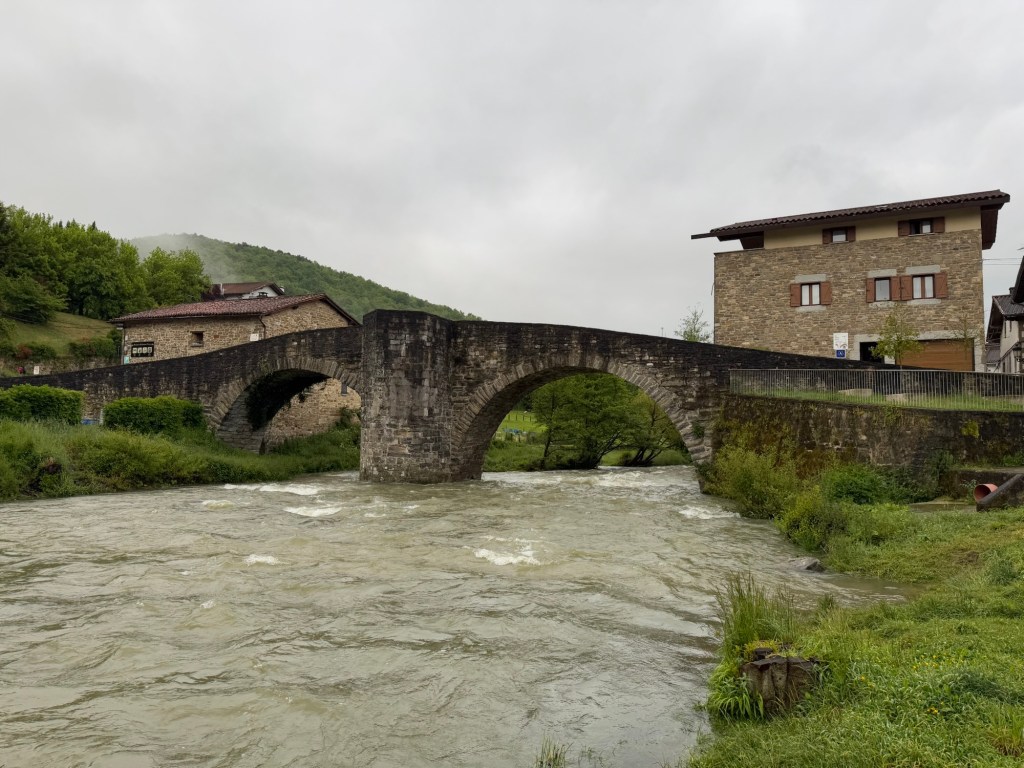
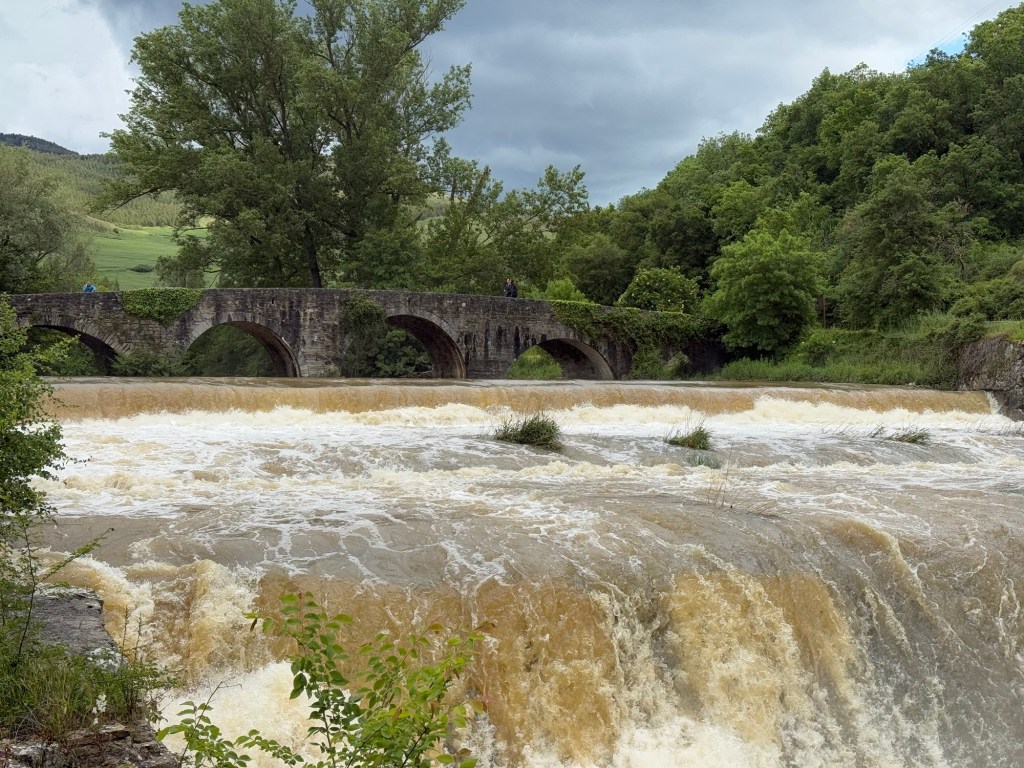
    I crossed the medieval Trinity Bridge over a swollen Ulzama River into Villava. During the short distance from the river to Pamplona, I walked into a gigantes y cabezudos performance. Literally, giants and big heads. It’s a tradition which apparently goes back centuries.

    Trinity Bridge on the Ulzama River

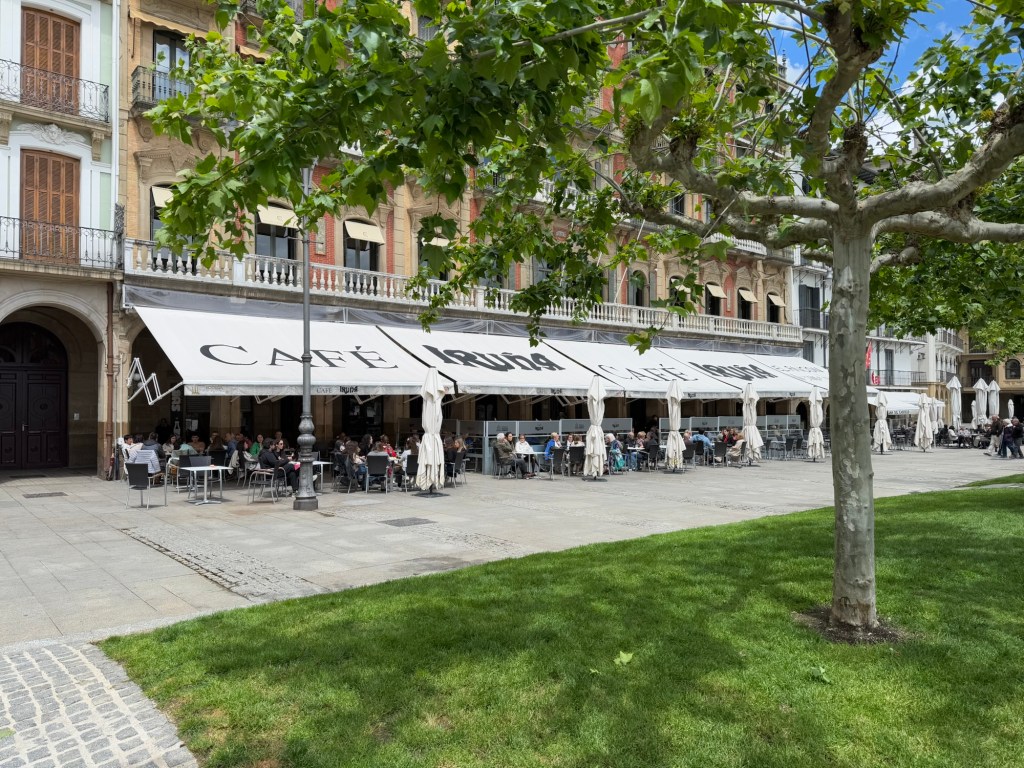
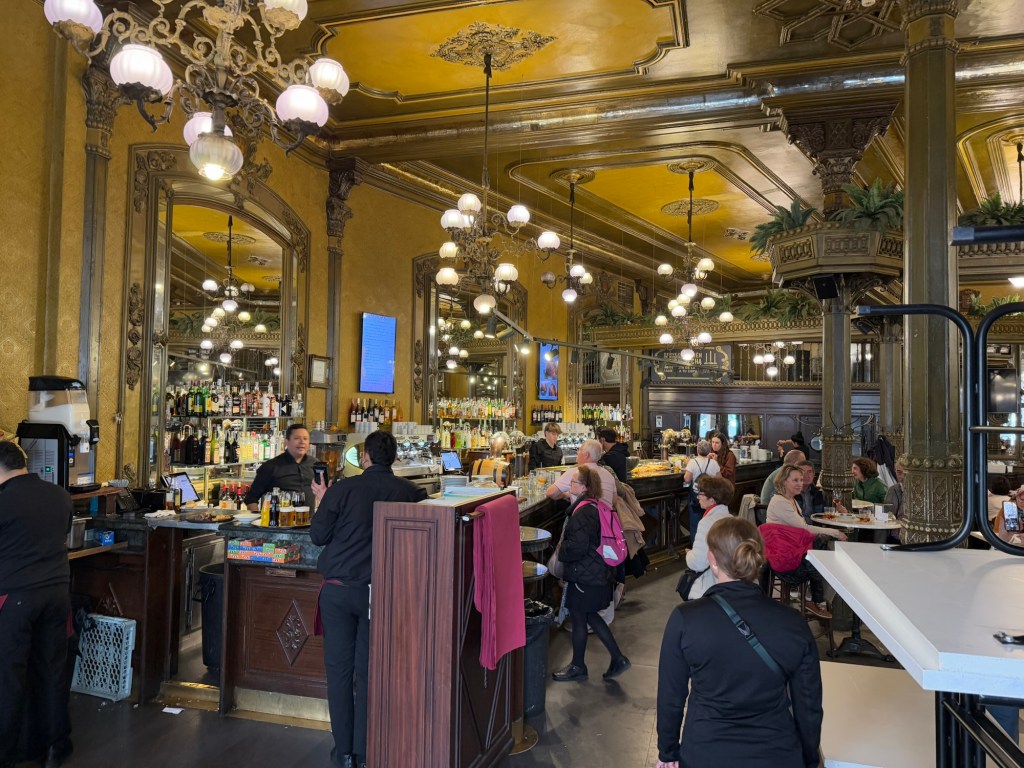
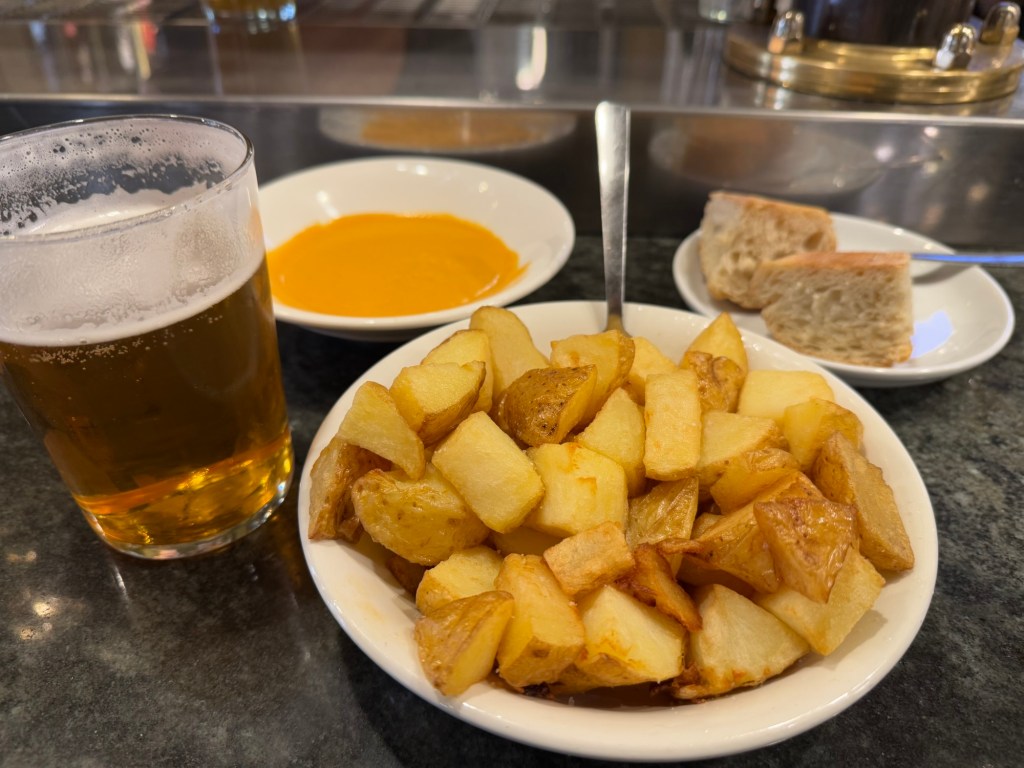
    After that bit of distraction, it took me about an hour to reach the city center. I walked into Café Iruña, saddled up to the bar, and ordered a cerveza, patatas bravas, and tarta de manzana—all recommended by fellow pilgrims. One step inside, and it’s clear why Hemingway spent so much time here. Places like this, with their timeless charm, just aren’t common anymore.

    Cafe Iruna
    The interior of Cafe Iruna
    Patatas Bravas

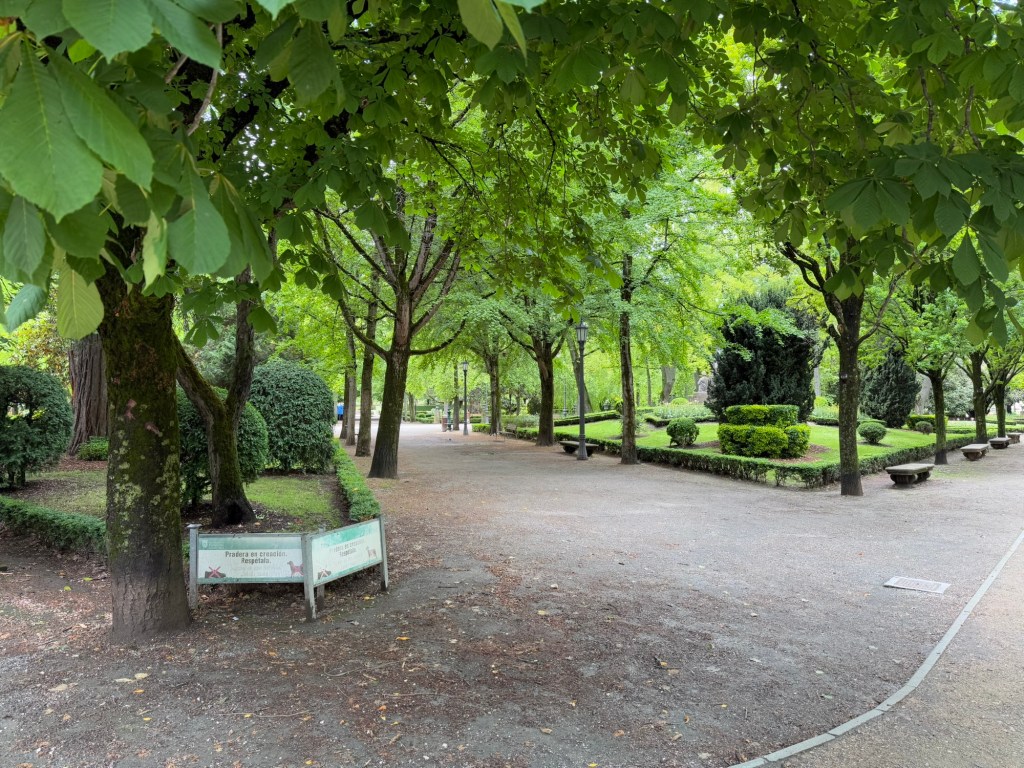
    After a quick meal, I stuck to my original plan and hiked another two miles to Albergue Sanjuanista de la Orden de Malta in Cizur Menor. Along the way, the trail passed through the University of Navarre. It may just be one of the most beautiful campuses on earth.

    The grounds of Universidad de Navarra

    At 3:45 p.m. I arrived at the hostel, took a shower, and did a bit of laundry in an outdoor sink. I’ve stayed here before—it’s spartan, but adding these extra miles today sets me up for an easier walk to Puente la Reina tomorrow.

    Pamplona