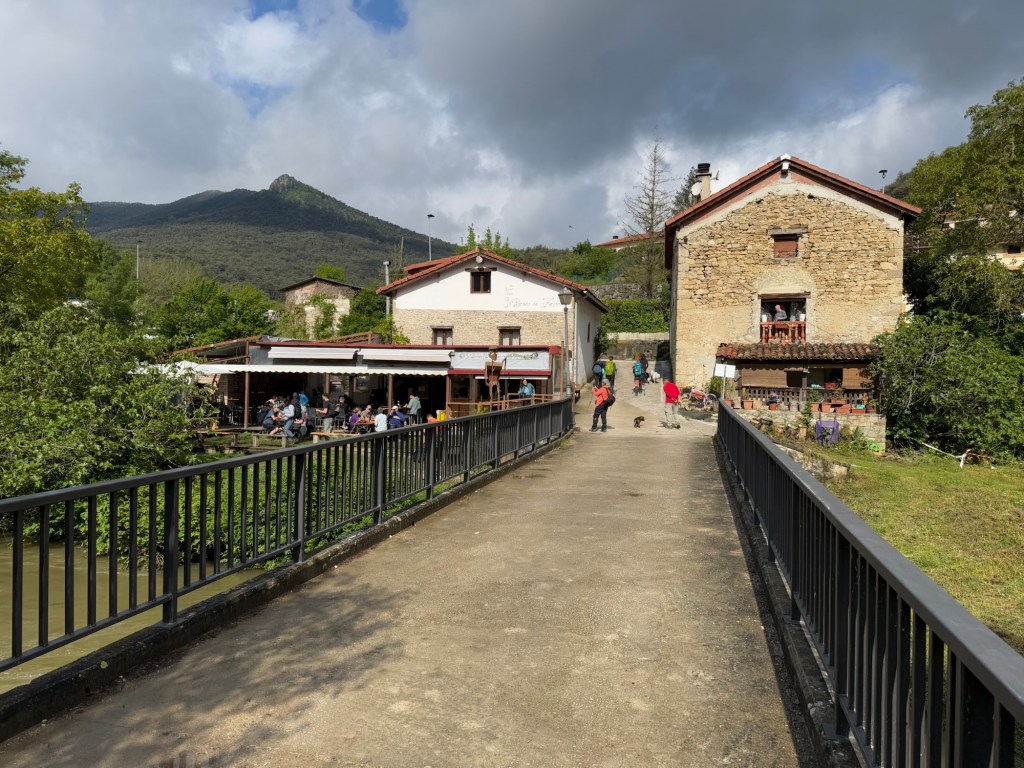
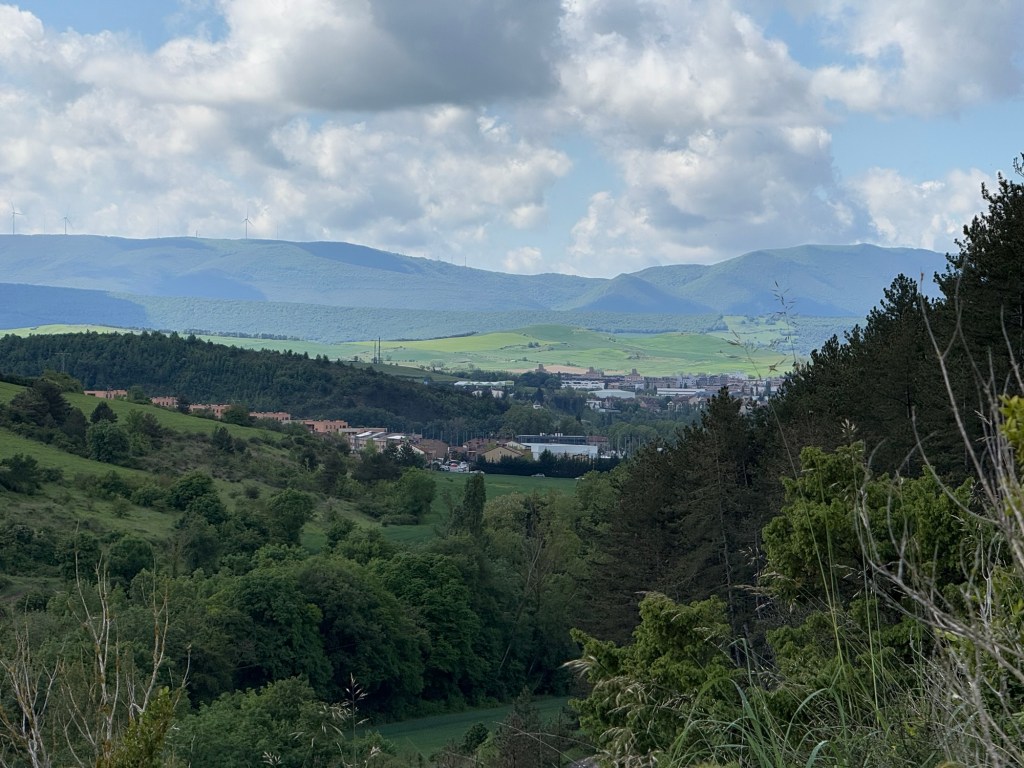
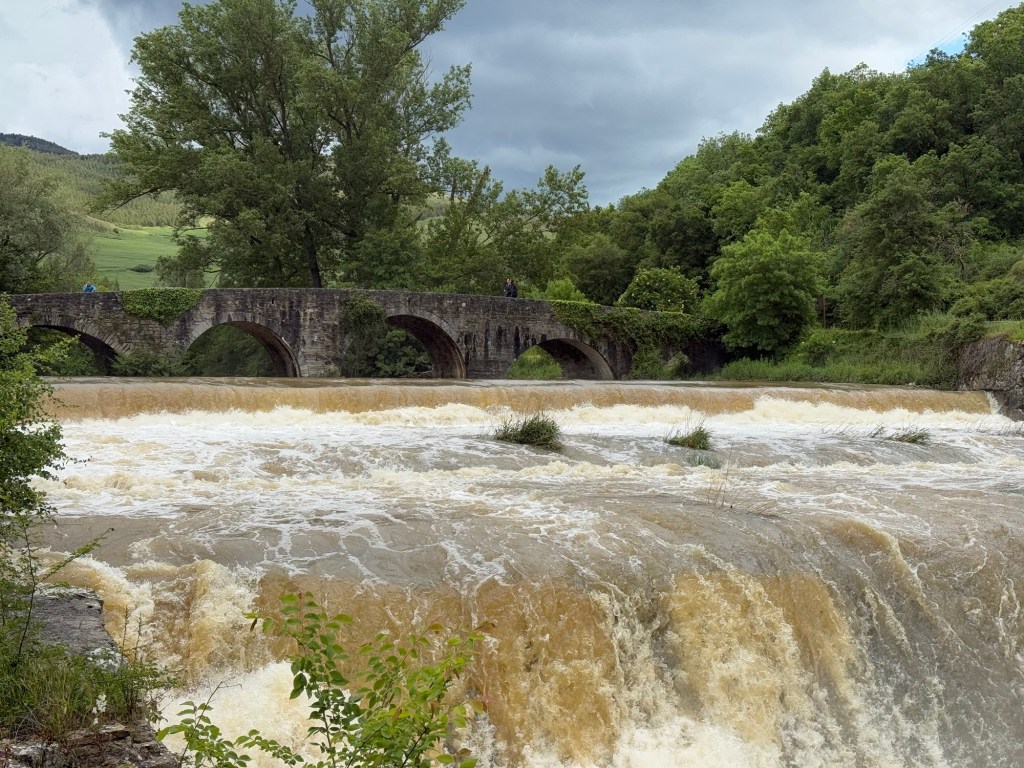
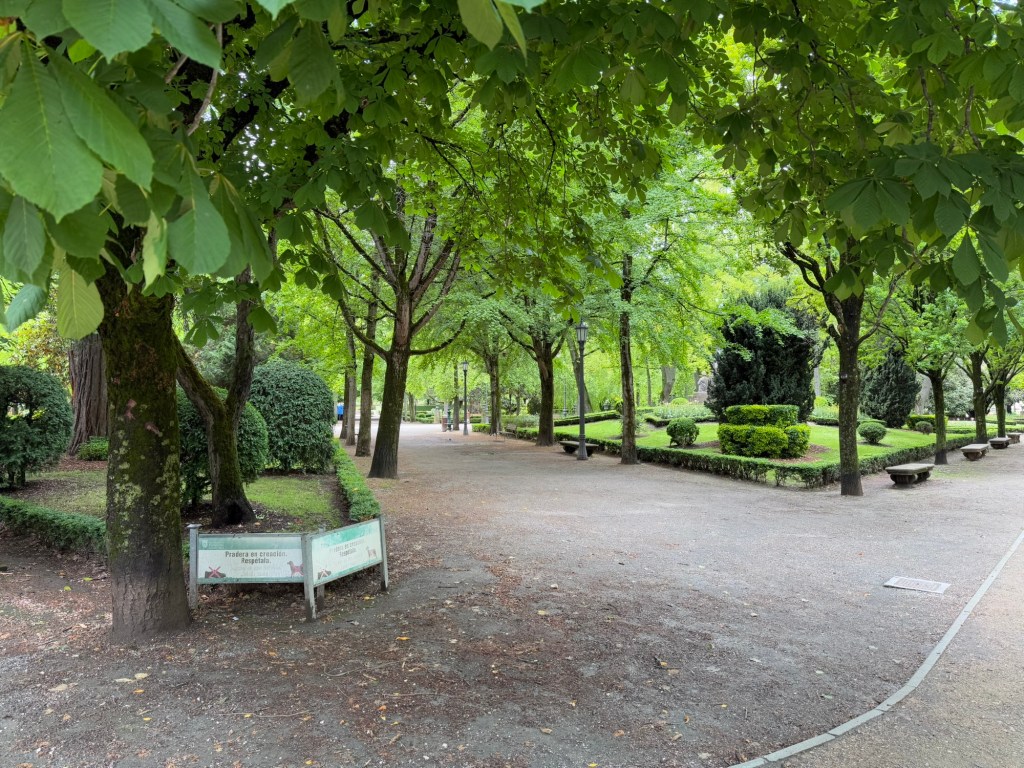
Tag: travel

  • Santiago

    There’s a point in a long-distance backpacking trip where the novelty of the affair wears off and hiking begins to feel more like a job than a vacation. For me, this change hits at about the two-week mark. Not that I mind. Pushing through the boredom and monotony is type-two fun, and I’m, if anything, a type-two fun kind of guy. It’s just not good for journaling.
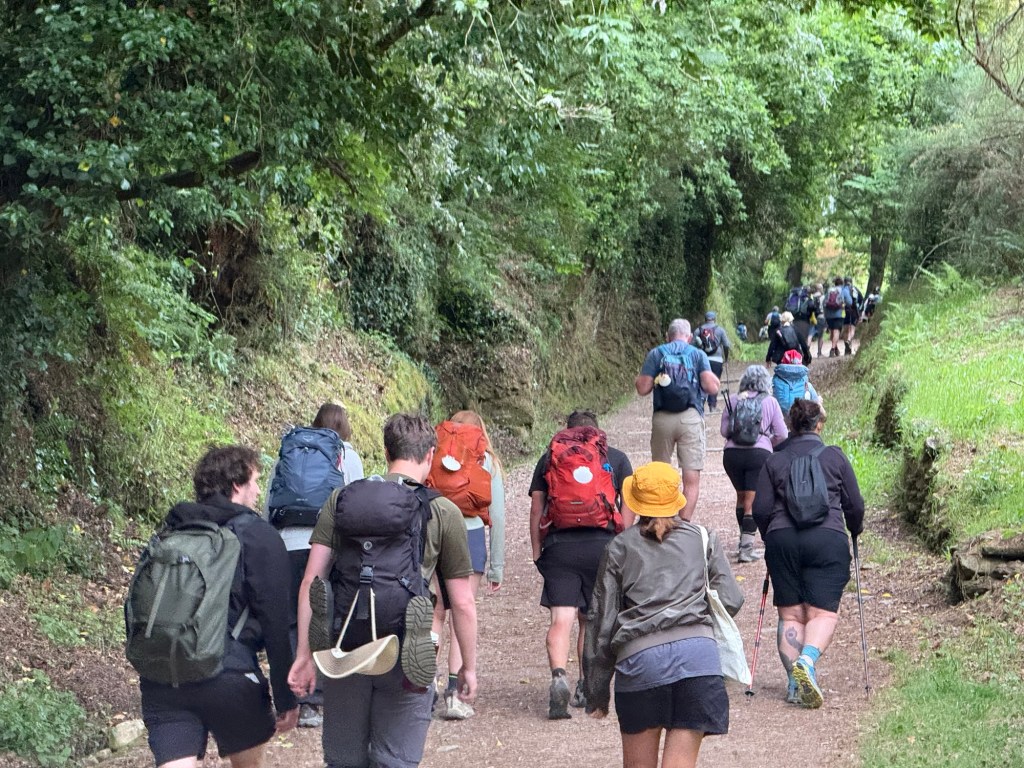
    Since pilgrims are only required to walk 100km to obtain a Compostela from the church, the last few days can feel like a zoo.

    Now that I’ve excused my absence, the day’s hike from Leon to Astorga marked the end of the Maseta and the return to the mountains and hills. At this point in the hike, the terrain does not matter much to me. I’m more or less on autopilot for the rest of the summer.
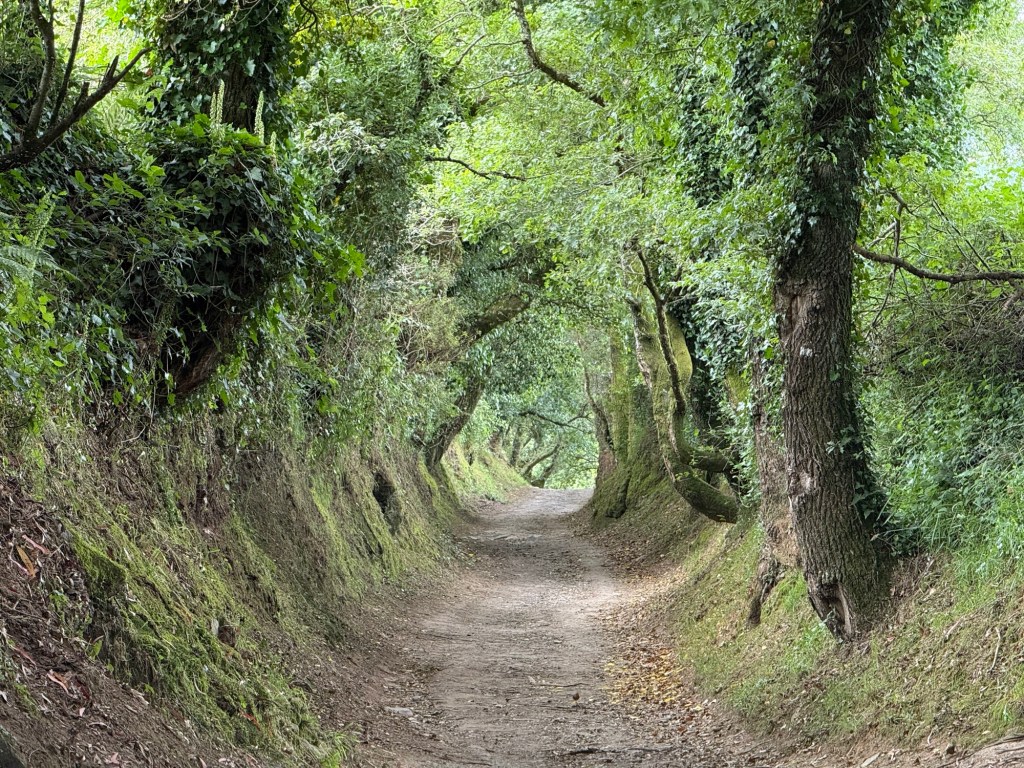
    The trail through the mountains can be pretty at times.

    It took me another nine days to reach Santiago. My notes from those days don’t include anything noteworthy, but there’s always the food.

    When I travel anywhere outside the U.S., I always make it a point to sniff out a KFC. While it may sound like heresy for an American to eat American fast food abroad, I promise in this case it’s excusable.

    KFC’s Zinger is one of the best-selling chicken sandwiches in the world. Probably second only to McDonalds’ McChicken. As best I can tell, they marinate the chicken breast in hot sauce and then bread it in the Colonel’s 11 herbs and spices. Add iceberg lettuce, mayo and a pedestrian burger bun, and you have one of the greatest creations to grace the face of the earth. And do you know the only country on earth where KFC doesn’t sell the Zinger? The United States of America.

    Imagine my shock when I rolled into the Santiago mall food court only to discover that KFC no longer sells the Zinger in Spain. It was a terrible and heartbreaking end the hike.
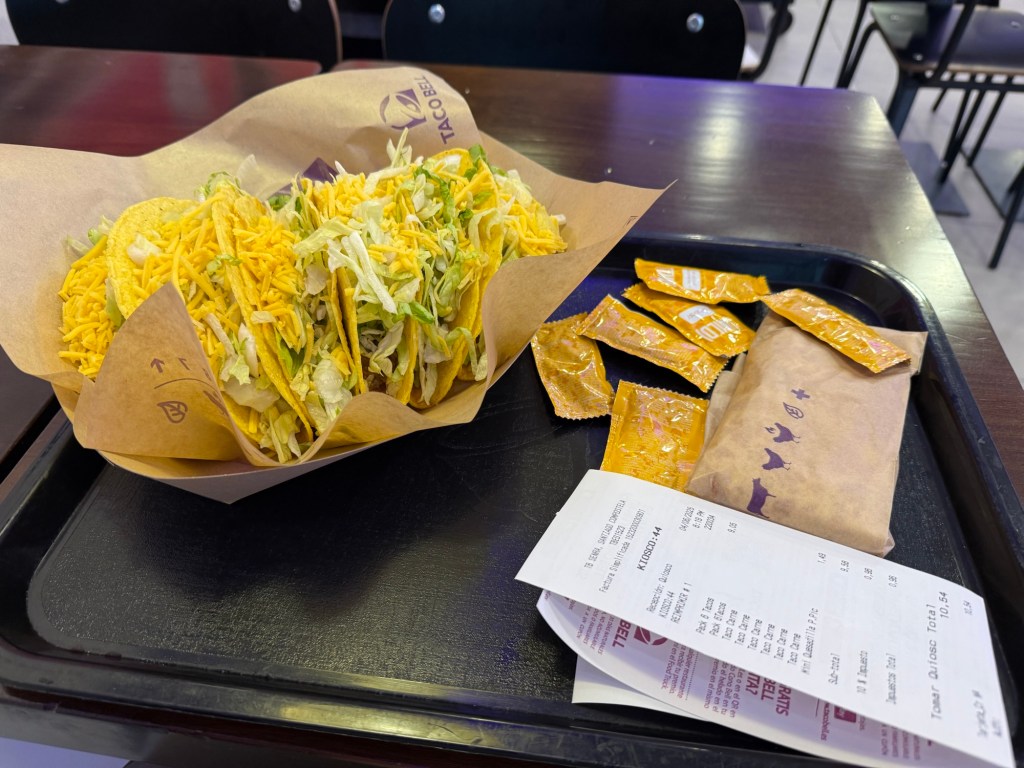
    I settled for six hard tacos from Taco Bell

    The consolation prize was that I’d had one of the best pesto pasta dishes of my life a few day earlier in Portomarin. I’ll have dreams about that meal.
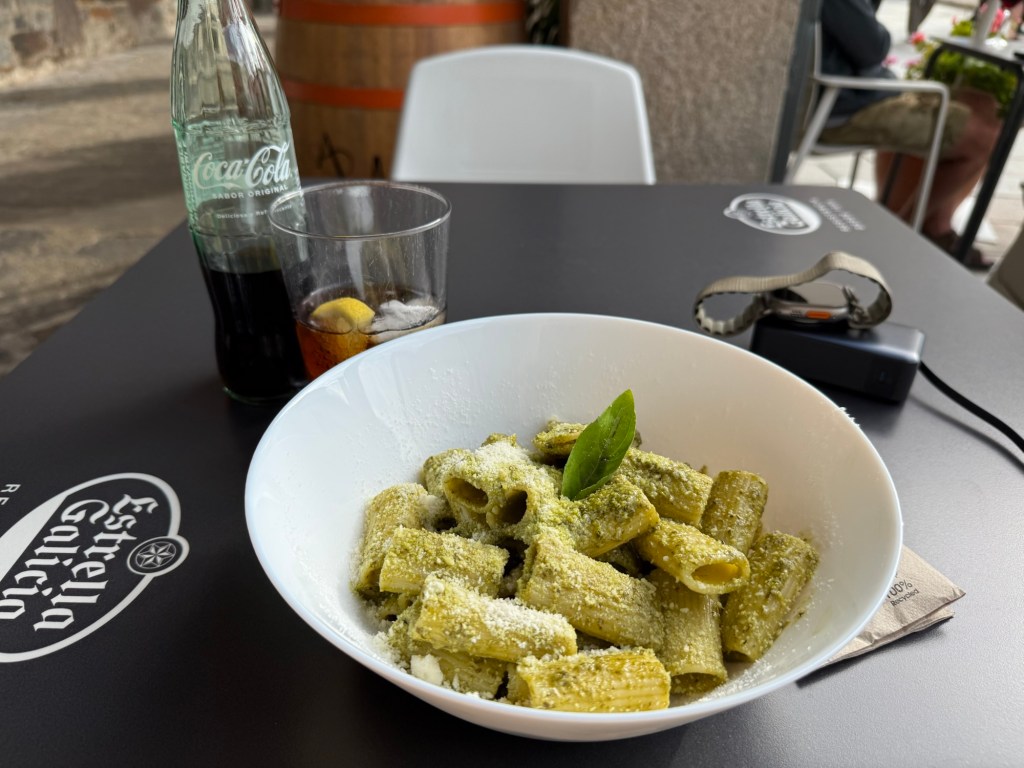
    Best pesto ever.

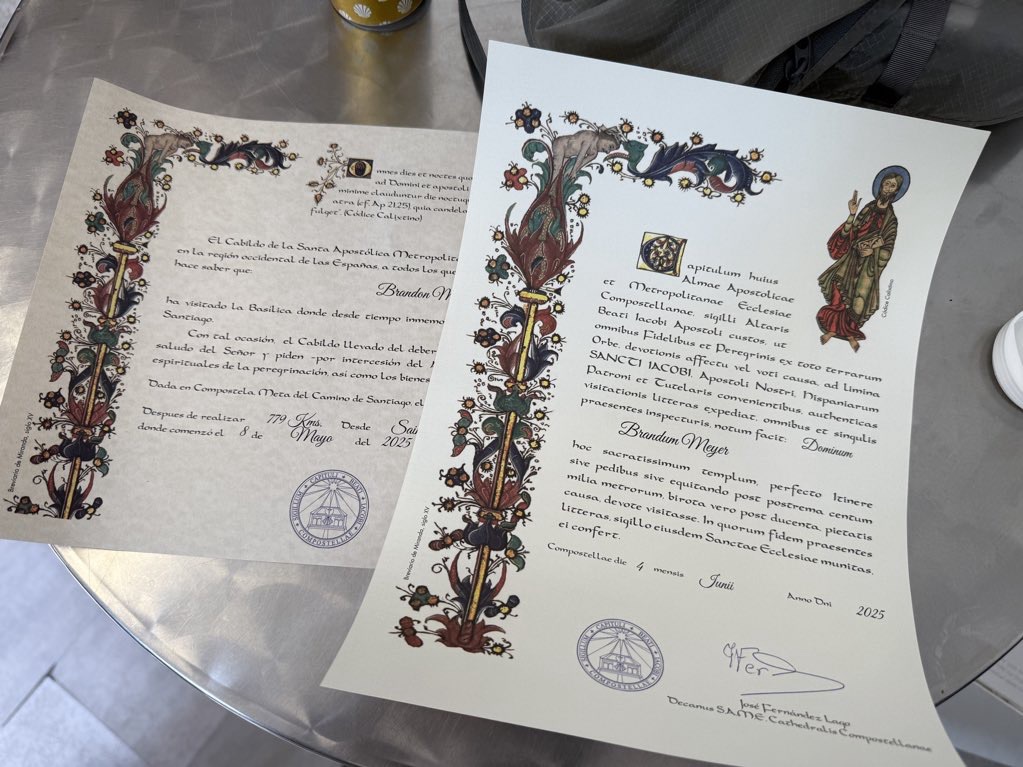
    This visit to Santiago was about as unimpressive as it gets. After checking into the same hostel I’ve stayed at twice before, I took a shower, got a haircut, obtained my compostela from the pilgrim’s office and went to bed. I didn’t even make it to the church.
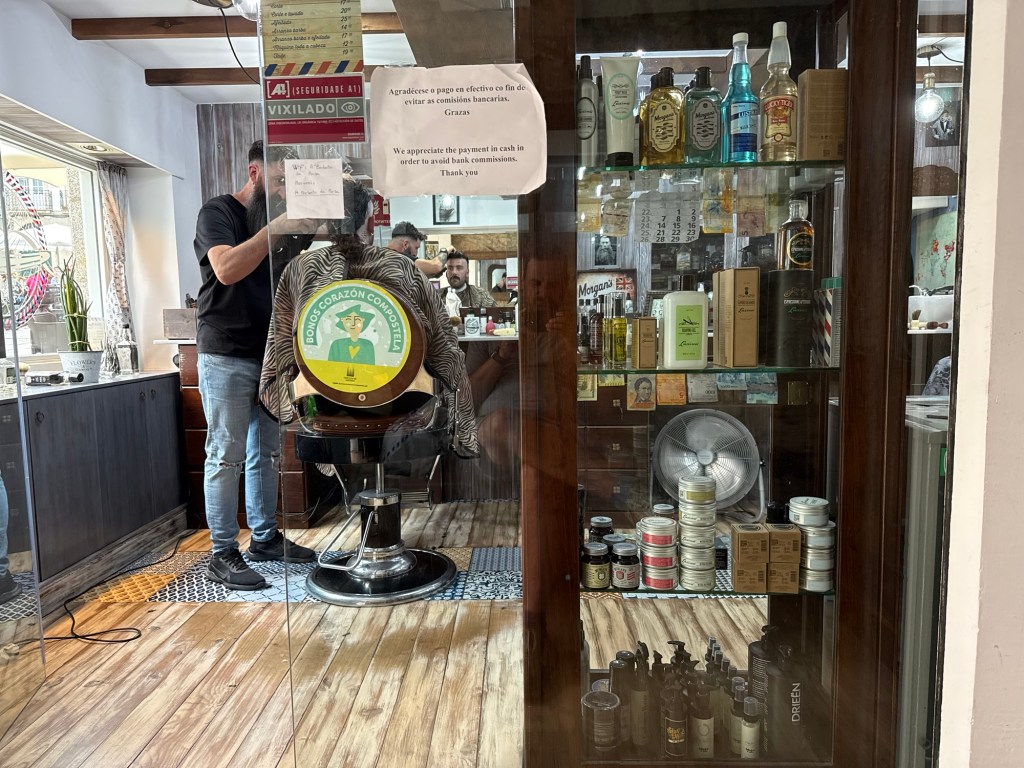
    Classy barbershop.
    Compostela and distance certificate

    I slept through my 6 a.m. alarm leaving me just 30 minutes to pack my bag and run down the hill to catch my 7:45 a.m. train to San Sebastian.
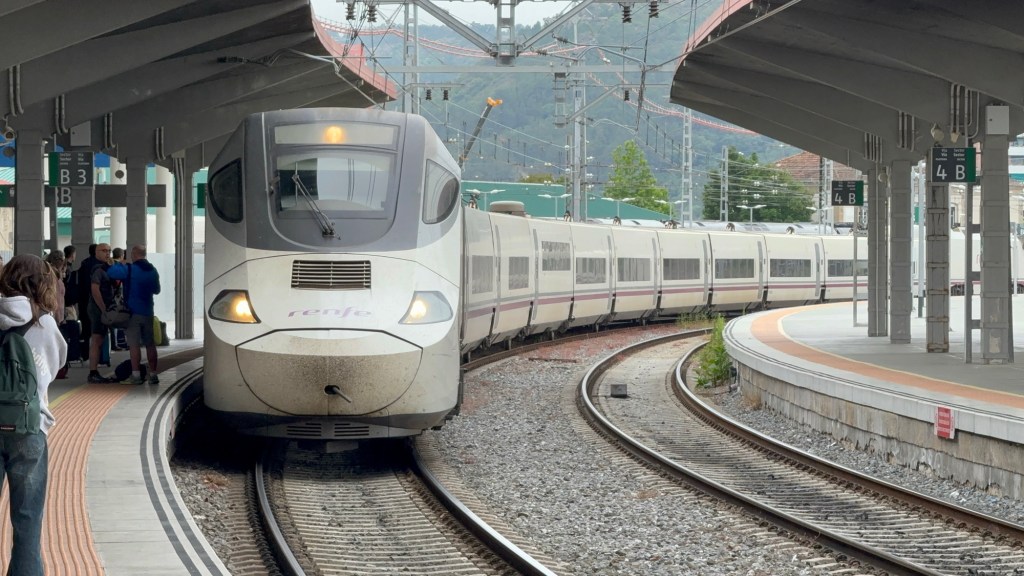
    The train
  • Almost halfway

    Almost halfway

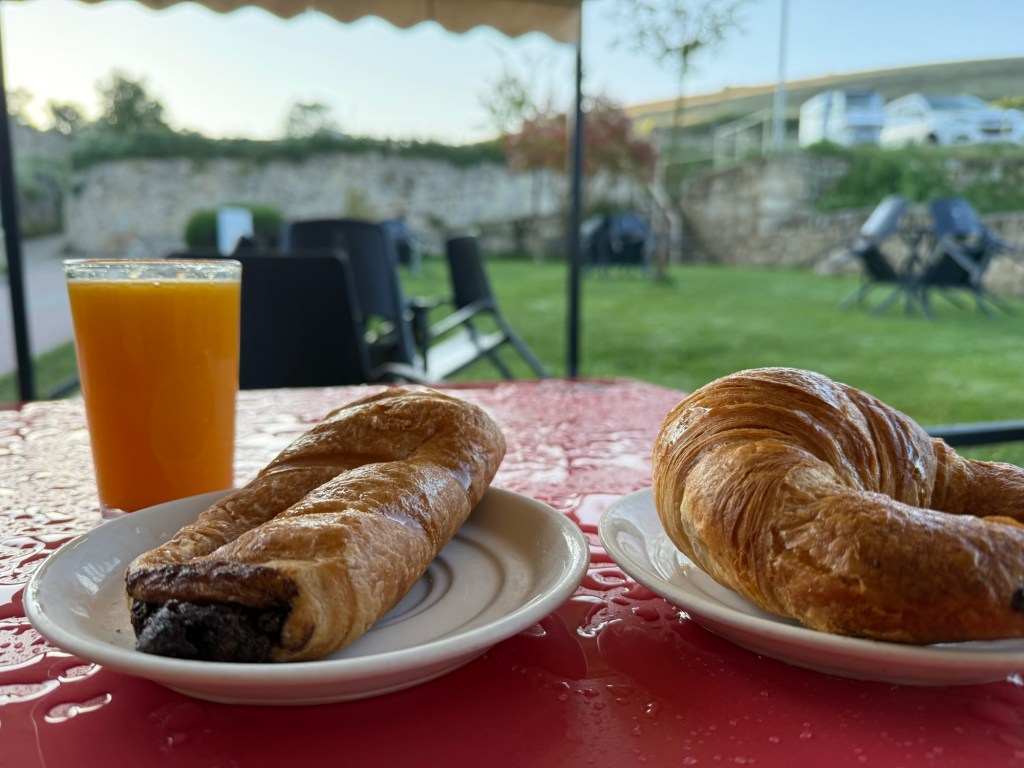
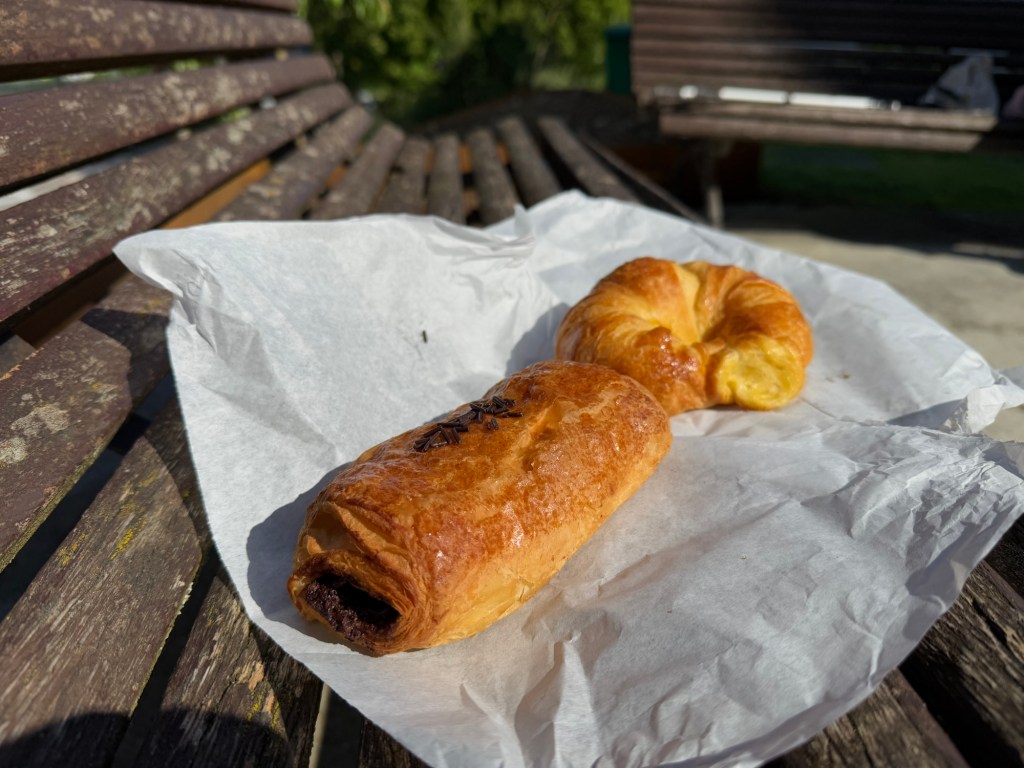
    I woke at 5:30 a.m. About an hour later, I headed downstairs to the mudroom and filled out a transport slip to ship my bag to Frómista, 21 miles west. My shoes, still muddy and wet from yesterday’s rain, were now muddy, wet, and cold. I grabbed my daypack, devoured a pain au chocolat, croissant, and a glass of fresh-squeezed orange juice, and hit the road.

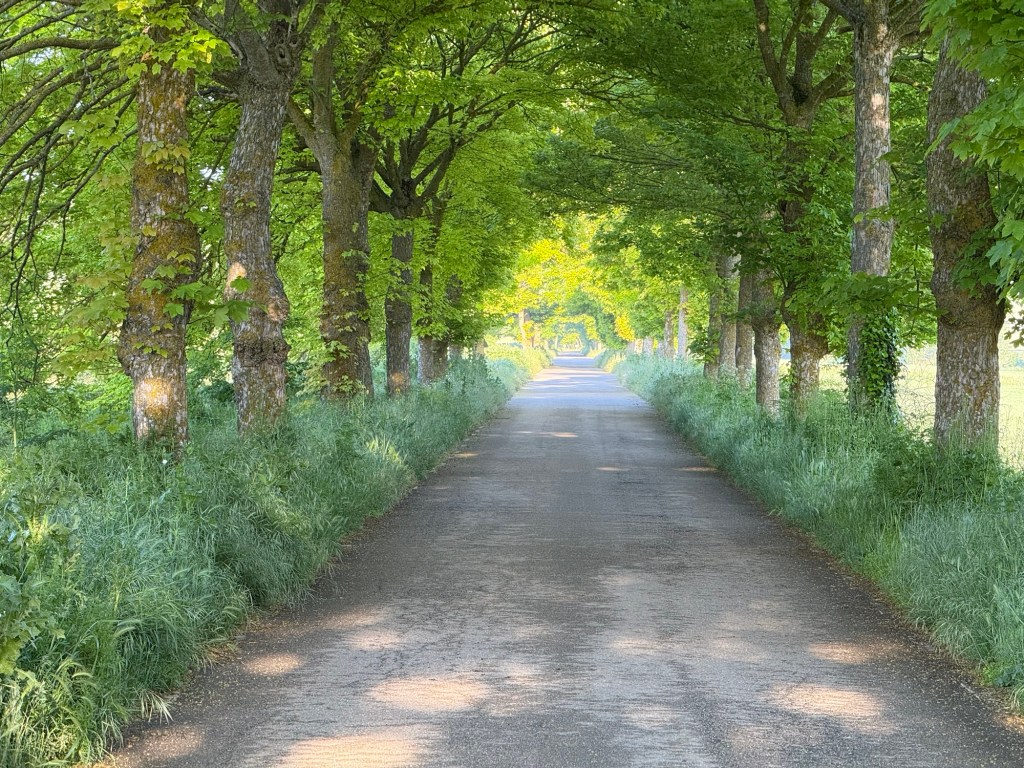
    As I walked through town, the 40-degree streets were shadowed, with no sun to warm them. The air was cold enough that I could see my breath, and I regretted beginning the day in shorts. Once I left town, the sun came around, easing the chill. The first two miles of trail ran beside a one-lane country road. The trail was muddy from the yesterday’s rains, so I walked on the road to keep my the mud from clumping on the soles of my shoes.

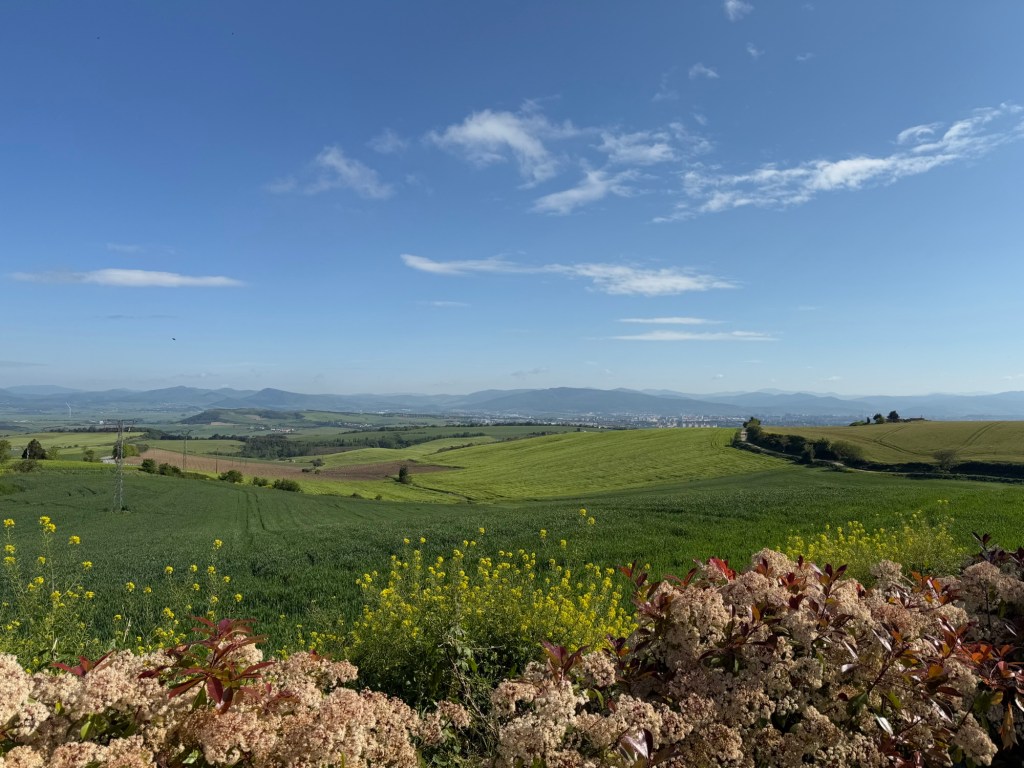
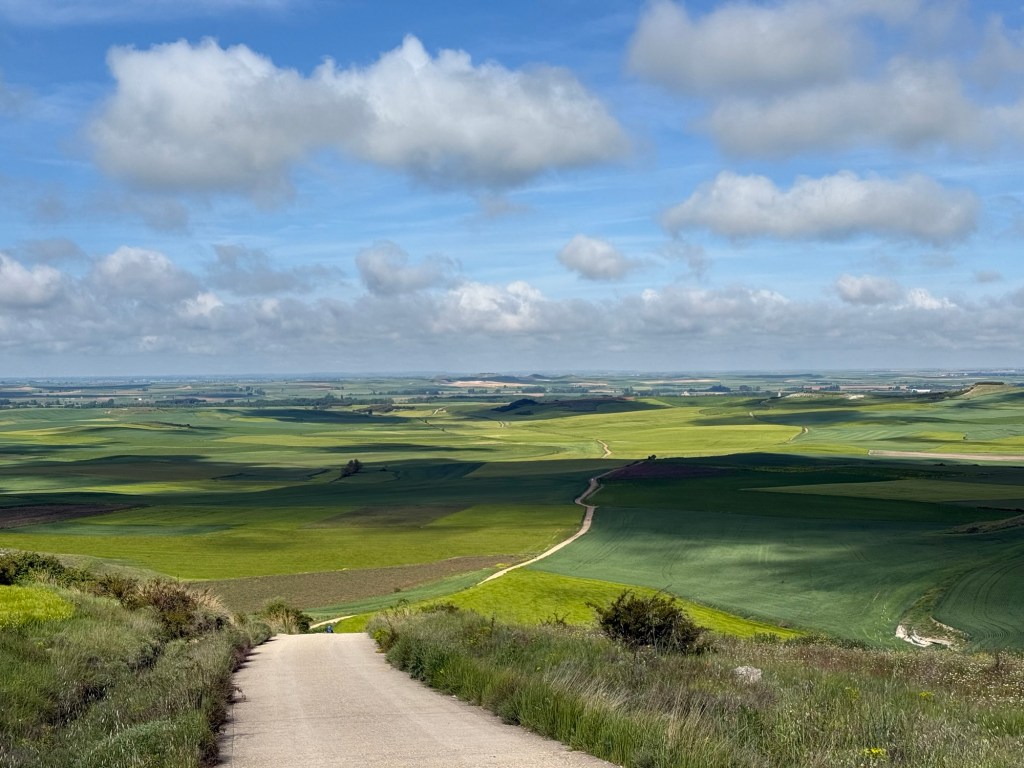
    At the four-mile mark, the road curved right, revealing a large hill topped with a fortress. Beyond it was a 500-foot ridge with a 12.5% grade, the day’s only tough climb. I summited in about ten minutes. The view from the top showed lush green fields stretching endlessly. At the base of the ridge, I checked my hiking app. Only 12 miles remained to Frómista, with no significant climbs left.

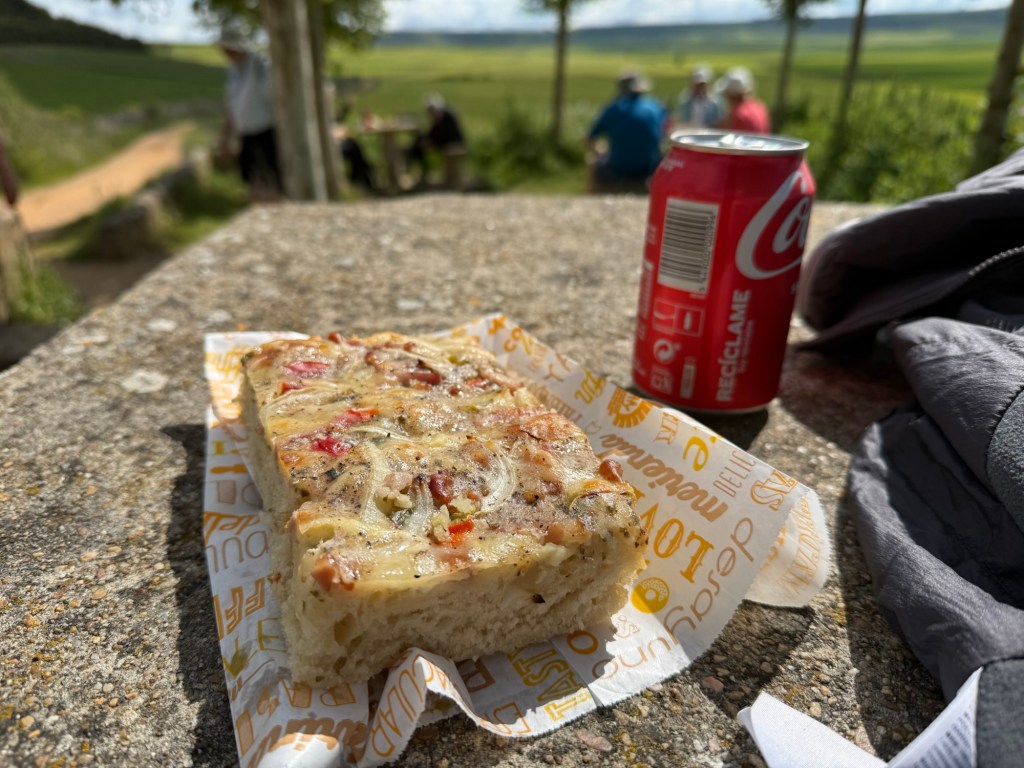
    Around 11:00 AM, a food truck appeared. I bought a slice of ham and onion Sicilian pizza and a Coke for €6.50.

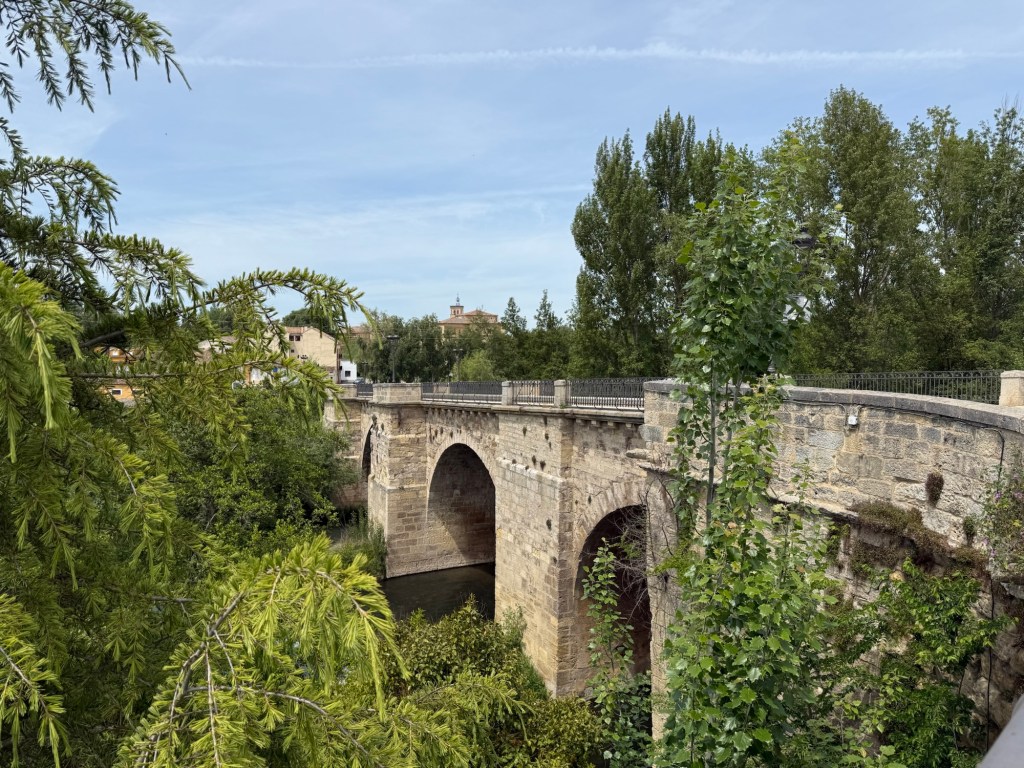
    At the twelve-mile mark, I crossed the Río Pisuerga on an eleven-arch bridge. The bridge, known as Puente de Itero del Castillo, dates to the 11th century.

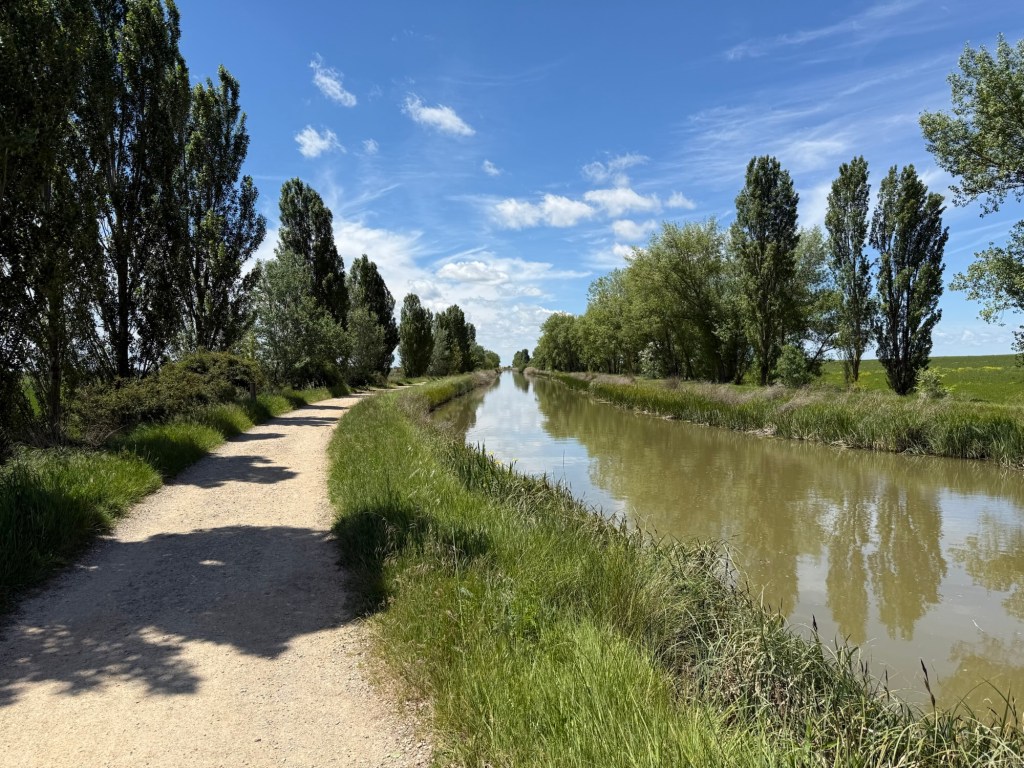
    The final five miles of the day followed the towpath of an old transportation canal. The locks at Frómista were replaced with a dam, suggesting the canal’s main use now is irrigation. A novelty canal boat runs along the corridor a couple of times a day, but waiting two hours to skip a five-mile walk didn’t seem worth it. I kept walking.

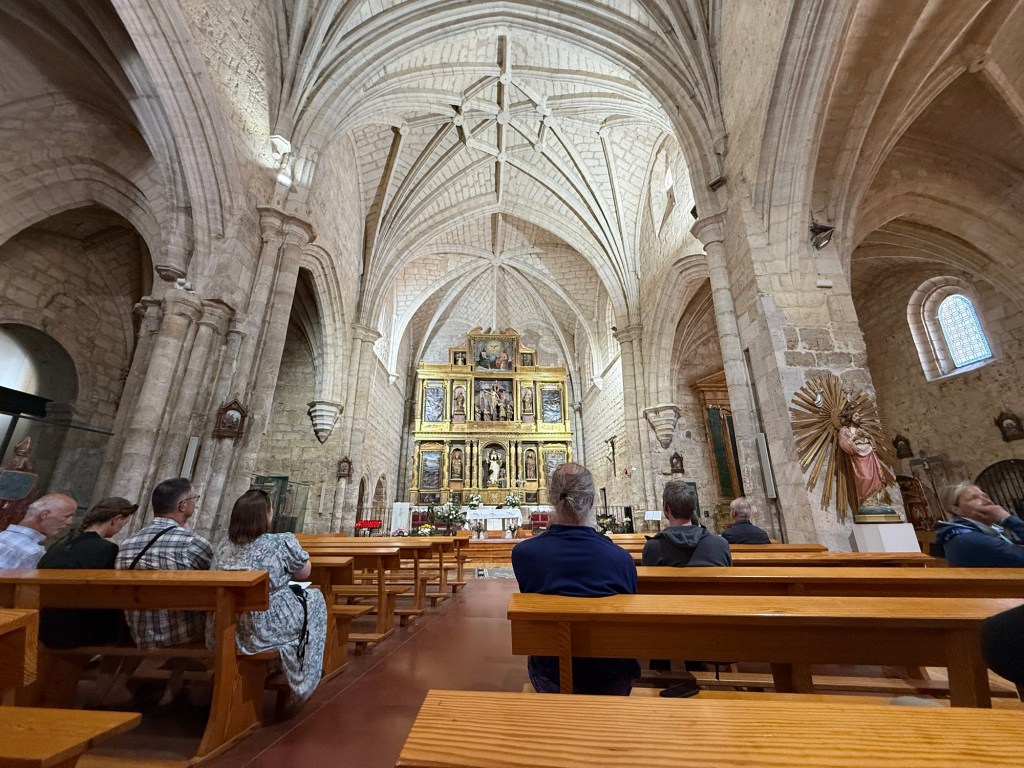
    I checked into the municipal hostel in Frómista around 4 p.m. I went to the local grocery store and bought a can of Pringles. While snacking on the bench out front, a guy, Craig, introduced himself and asked to sit down. Craig is a university professor from Indiana and a former Army infantry officer. After some conversation, I pointed to a poster on a pole nearby. It advertised an organ and Gregorian chant concert at 6 p.m. at one of the churches in town. Craig was interested, so we walked over and sat through the performance.

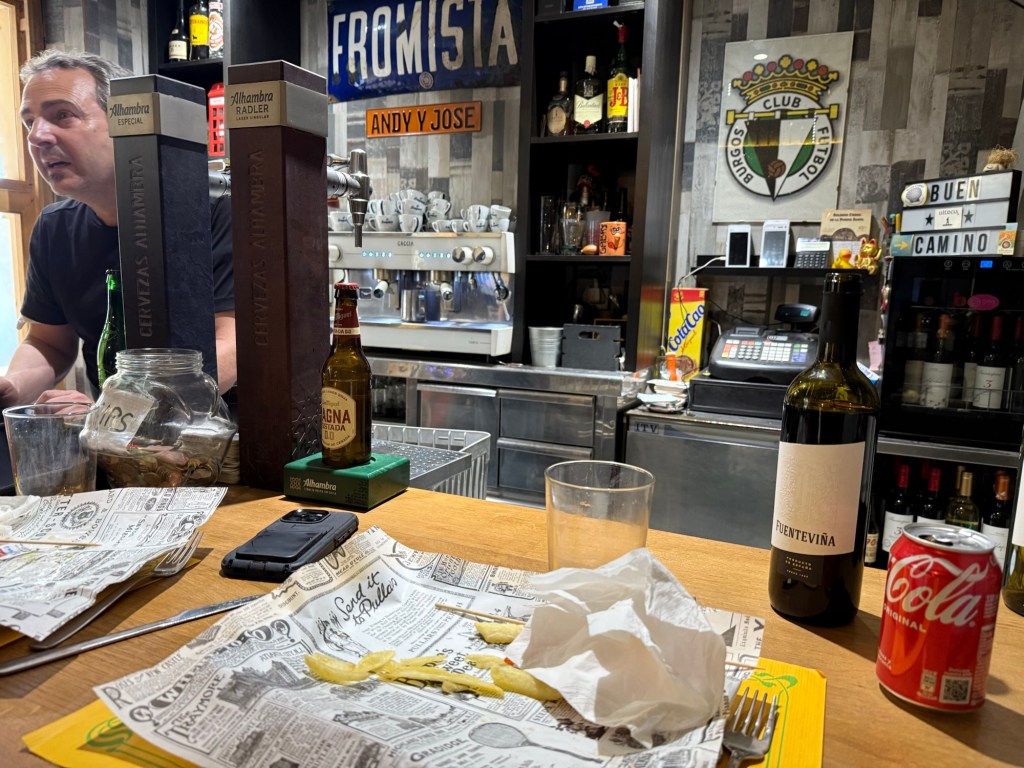
    After the concert, we crossed the street to a restaurant for burgers and fries. We spent three hours talking about the future of U.S. foreign policy and imagining how much generative AI would change the world. At 9:30 p.m., we walked back to the hostel for the night.

  • Spa day

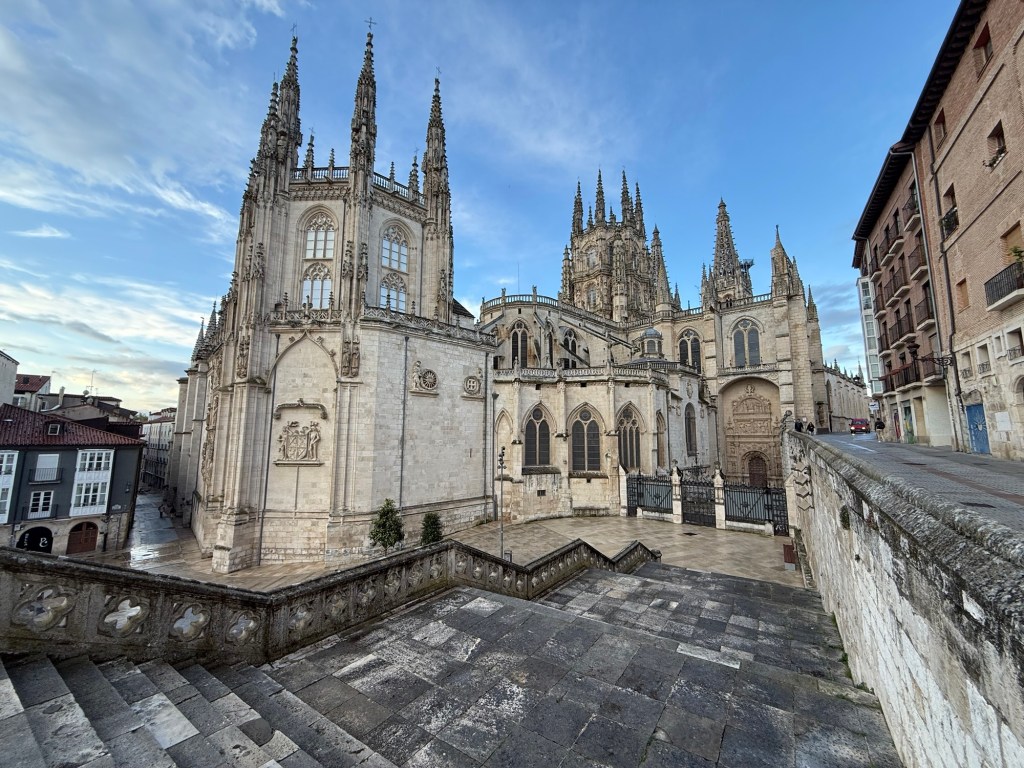
    I woke up at 6:45 in Burgos and studied my map. I decided on Hontanas, 19.6 miles west. There’s a nice hostel there for €15—and for another €15— access to a heated pool with massage jets, and a steam room. It sounded far better than any $30 budget motel I’ve stayed in. I left town around 8:20, passing the Burgos Cathedral and shuttered shops while cafes were jammed packed with pilgrims.

    Burgos Cathedral

    The weather was perfect for my sunburned skin: overcast skies blocked the sun without threatening rain, and temperatures stayed around 60°F.

    Good weather on the way out of town.

    After seven miles, I reached Tardajos and stopped at a pharmacy to buy sunscreen. There, I met Michael, an Australian who owns an 8,000-acre farm near Perth. He and his friends hike a new trail each year, and this time they chose the Camino. I picked his brain about the Bibbulmun Track, a 650-mile trail in southwest Australia that runs from Perth down and around the southwest coast to Albany. He assured me that emus and kangaroos aren’t threats to humans, crocodiles stick to the north, and snakes are rarely aggressive. Great white sharks, he added, will kill you, but attacks are uncommon. I forgot to ask about dingoes.

    Six miles later, around noon, we arrived in Hornillos. A brief rain shower ensued, sending pilgrims into shops and albergues along the main street. Michael and most others opted to stay, but the spa in Hontanas kept me moving.

    Overcast skies over Hornillos

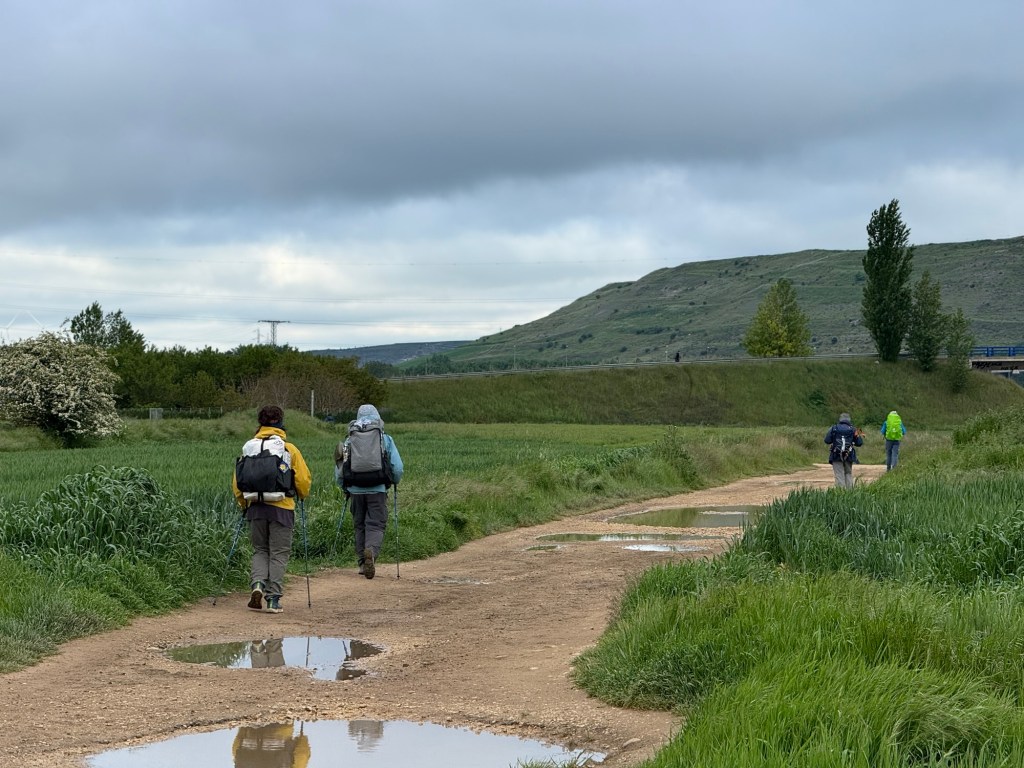
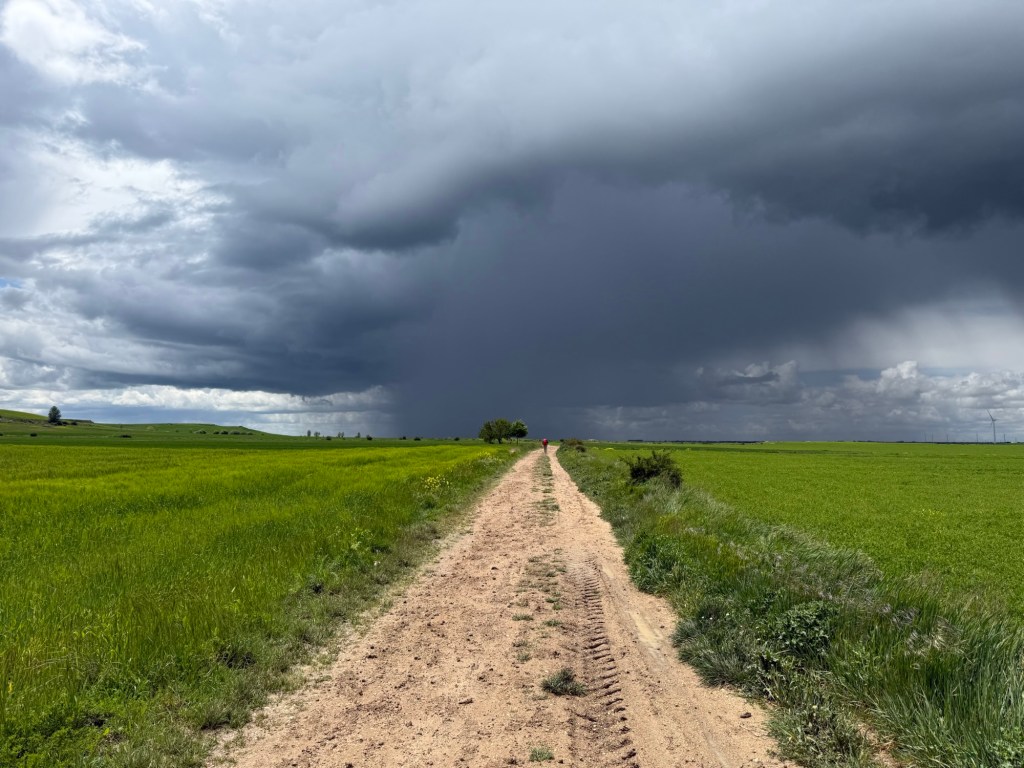
    The final six miles brought two short storms—cold rain mixed with light hail. Each time, I pulled on my poncho, only to stow it when the skies cleared.

    I was hit by two isolated storms between Hornillos and Hontanas

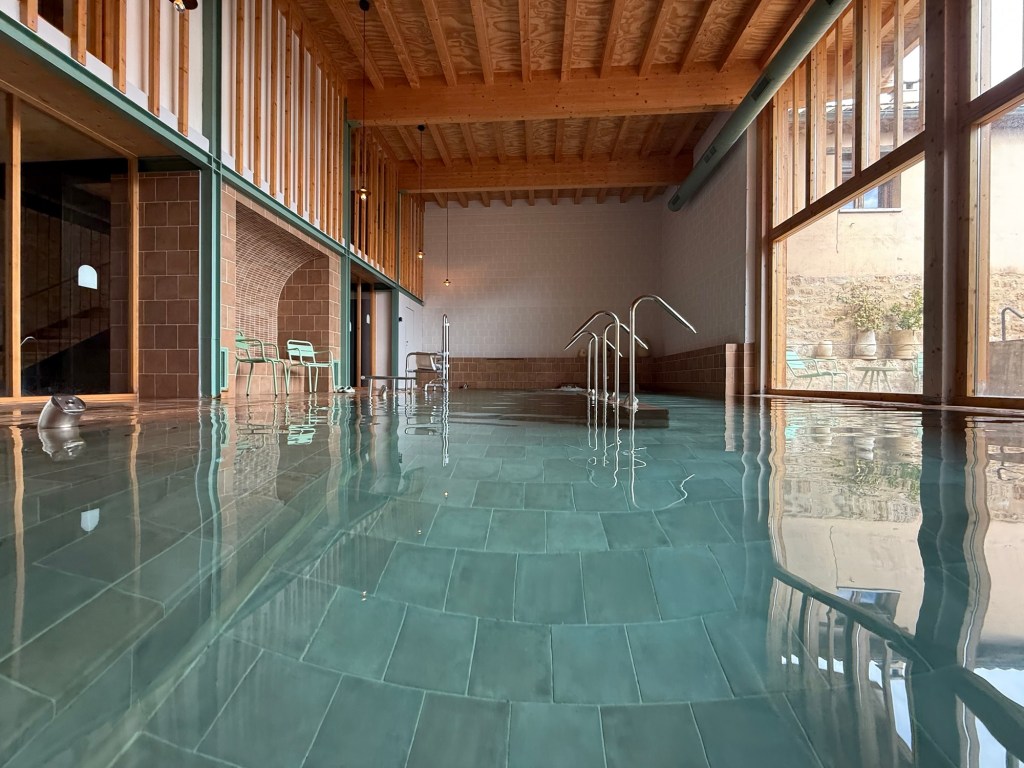
    I reached Hontanas by 3 p.m., checked into the Santa Brigida albergue, and headed straight for the pool.

    The Santa Brigida Spa in Hontanas

    On the menu for the evening was paella, so I grabbed a bocadillo, chips, and a KitKat from the bar instead, called it a meal, and settled in for the night.

  • Grit, Views, and Marine Stories

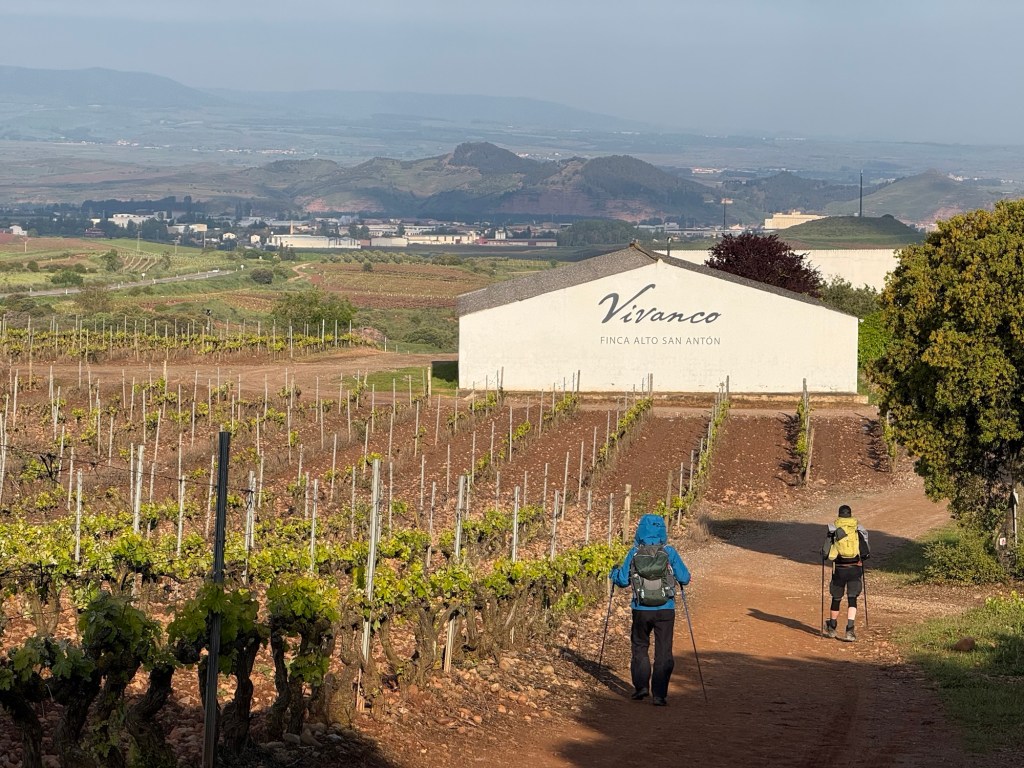
    The day began with a jolt from my alarm at 7 a.m., after a restless night. I barely slept, awake from midnight until 4 a.m., my mind refusing to quiet. To ease the burden of the 20-mile trek to Santo Domingo, I arranged for my bag to be transported ahead. The landscape of the Camino Frances has become familiar by now—endless wheat fields, orderly vineyards, and scattered wildflowers. It’s beautiful, no question, but after eleven days, the repetition wears thin. As a seasoned hiker, I’ve come to expect this shift; the trail is less about novelty and more about the steady rhythm of movement and the views that unfold. I walk for the physical challenge and the chance to take in the scenery, not for some grand epiphany.

    The trail leaving Ventosa

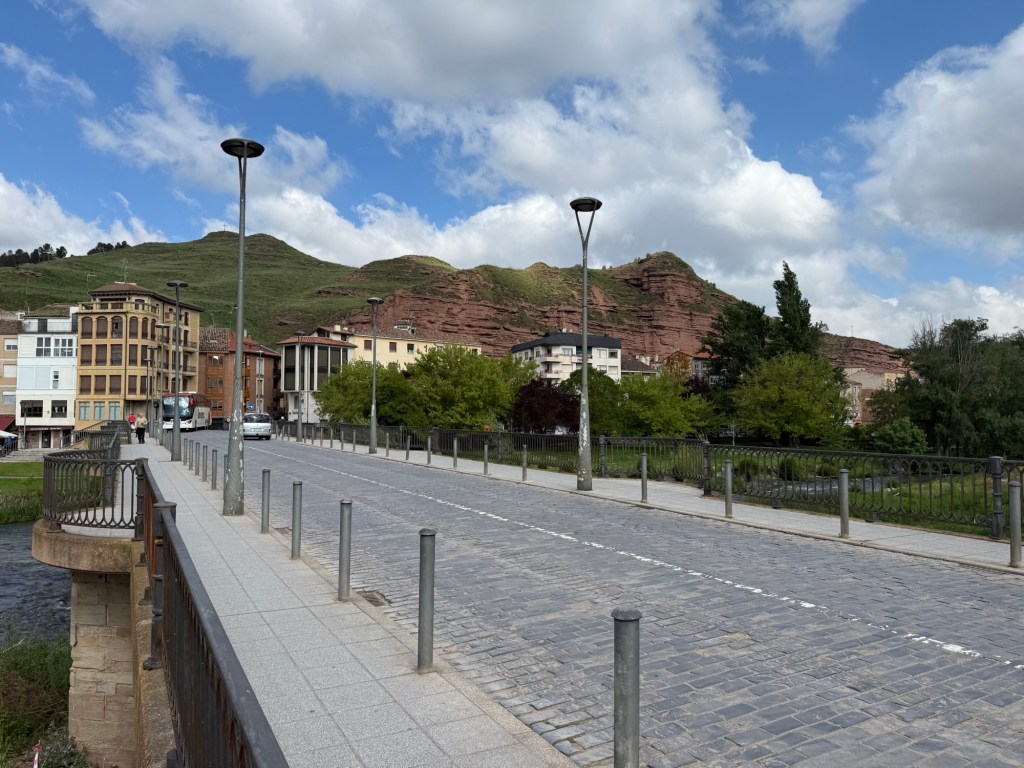
    Around six miles into the day, I arrived in Nájera, a town that always feels like a reward. The river cuts through its center, reflecting the red cliffs that tower in the background. I stopped at a small grocery store to pick up a bag of chips and a cold Heineken, a small treat to break up the morning. I’ve stayed in Nájera twice before, drawn to the municipal hostel right on the riverbank, its setting hard to beat. The town carries a deep history, dating back to the 10th century when it served as a key seat for the kings of Navarre. The Monastery of Santa María la Real, with its royal tombs and Gothic cloisters, stands as a reminder of that era.

    Najera

    Leaving Nájera, the path climbed steeply until it leveled out onto a plateau of vineyards, their green rows stretching into the distance. In Azofra, I stopped into a store for another beer before continuing to Cirueña. I remembered Cirueña from my 2014 hike—a failed golf course community, a casualty of the 2008 recession. Now, nearly 20 years old, it’s showing its age. The houses, now mostly occupied, stand in eerie silence during the day, the infrastructure crying out for a pressure washer and some landscape work. All these years later and it still feels like a ghost town.

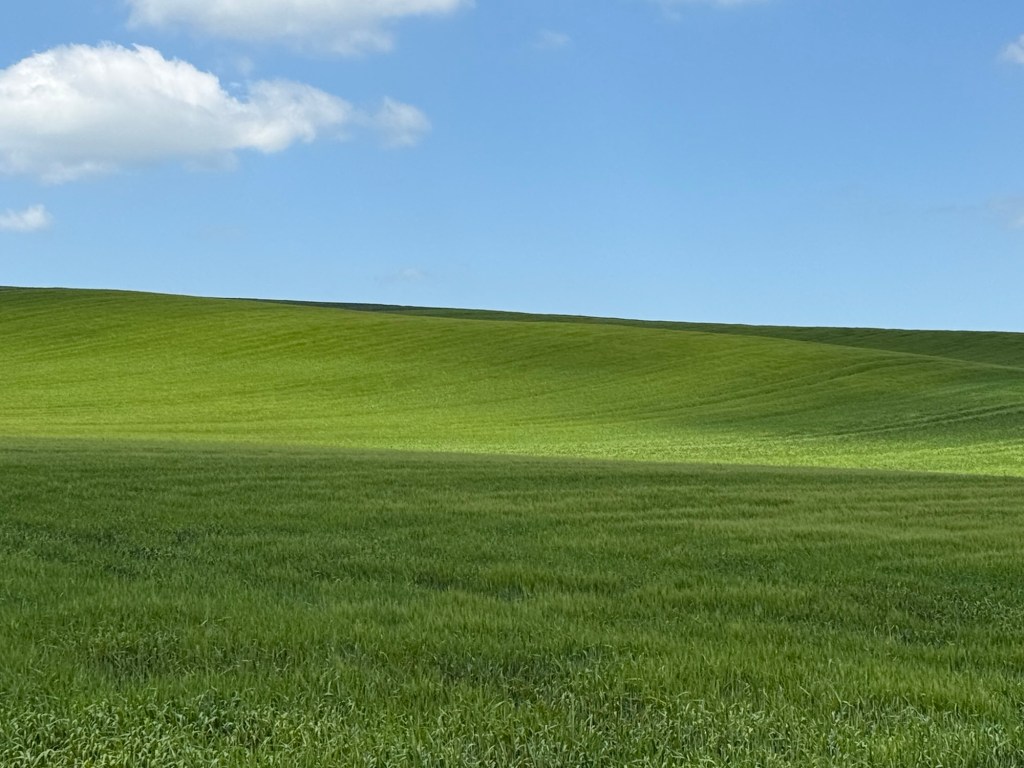
    The stretch from Cirueña to Santo Domingo was the highlight of the day. Vast wheat fields, their green tips swaying in the breeze, blended into vineyards that seemed to roll on forever. The scene was so perfectly pastoral—gentle hills under a wide sky—that I half-expected to see the Windows XP logo in the corner.

    The landscape after Cirueña

    I reached Santo Domingo just after 3 p.m. While looking for my hostel, I walked past a café and ran into Alex, who introduced me to Bill, a man from Houston with a firm handshake. I checked into my hostel, dropped my gear, and returned to the café for an early dinner: spaghetti carbonara, meatballs, a glass of Rioja wine, and a slice of apple pie.

    Over dinner, I learned that Bill was also a Marine. He served as an artillery officer in the post-Vietnam era and spent time at 29 Palms, a place I know well. We traded stories from our time in the Corps, laughing at the quirks of military life that haven’t changed in the 30 years between our service. His son, a colonel select and also an artilleryman, carries on the family tradition.

    Alex and Bill later went to visit the cathedral, built by Santo Domingo de la Calzada, a saint known for constructing bridges and hospitals for pilgrims. I opted to rest but made plans with Bill to meet at 8 a.m. tomorrow to walk to Belorado together. From there, I’ll push on another seven miles to Villafranca.

    I’m betting these two get lots of pets.
  • Encuentro con los toros

    Encuentro con los toros

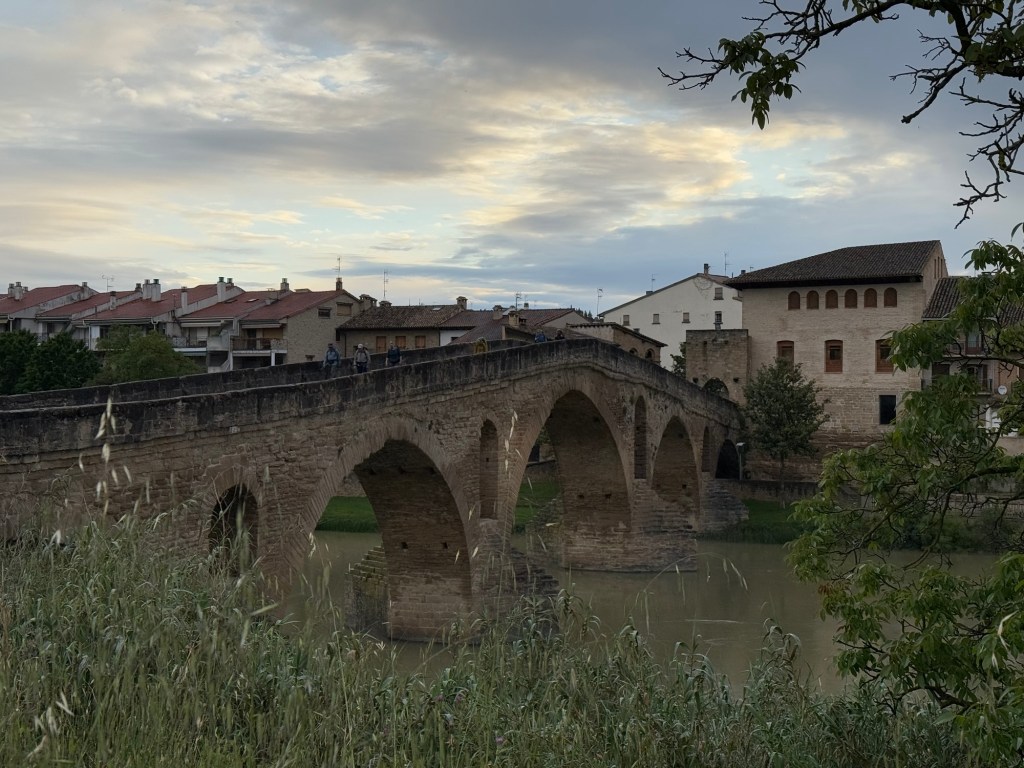
    I woke up in Puente la Reina with a slight hangover from last night’s beers, but water and exercise are the best cure, so I was in luck. I started hiking just after 7 a.m., and soon hit a gnarly, steep uphill climb that felt endless. Pilgrims were pulled over on the side of the incline from top to bottom, catching their breath, and I joined them for a quick break, laughing with a Dutch pilgrim who blamed his struggle on the previous night’s wine. The view at the top—rolling fields under a pale overcast sky—made the burn worthwhile.

    Puente la Reina

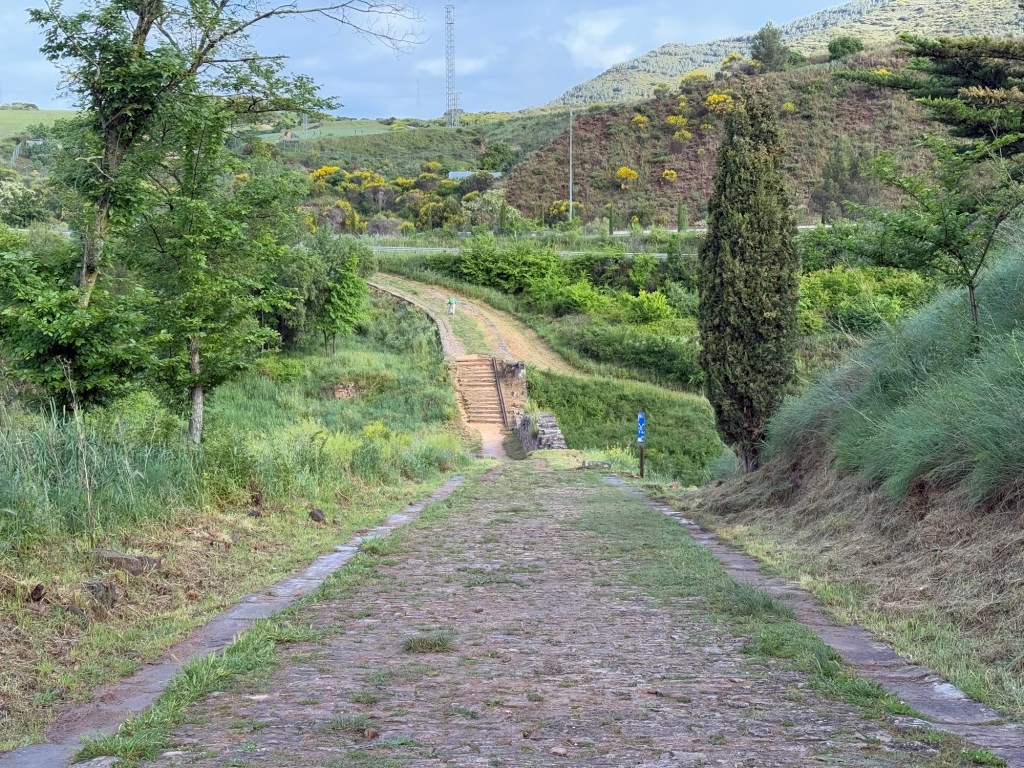
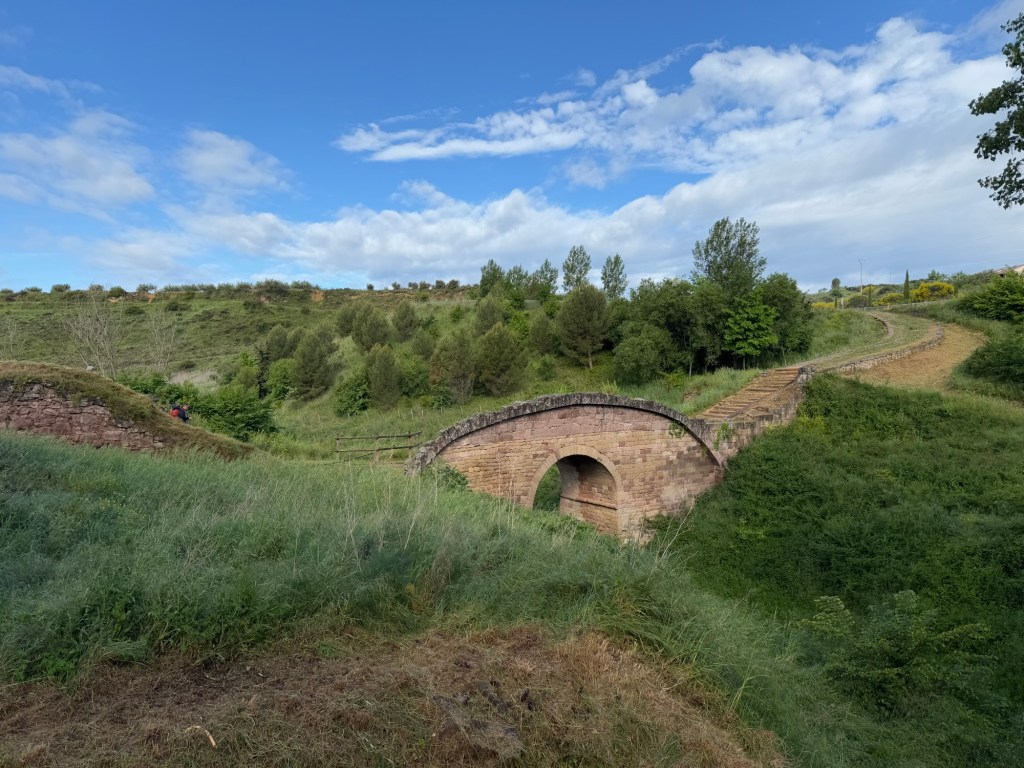
    At 9 a.m. I cut through Cirauqui, a hilltop village with cobbled streets and stone houses. At the town’s exit, I walked a well-preserved Roman road, its ancient cobblestones worn smooth by centuries of travelers, leading to a small bridge with a single, sturdy arch that’s stood since the days of the emperors.

    Old Roman road leaving Cirauqui
    Roman bridge at Cirauqui

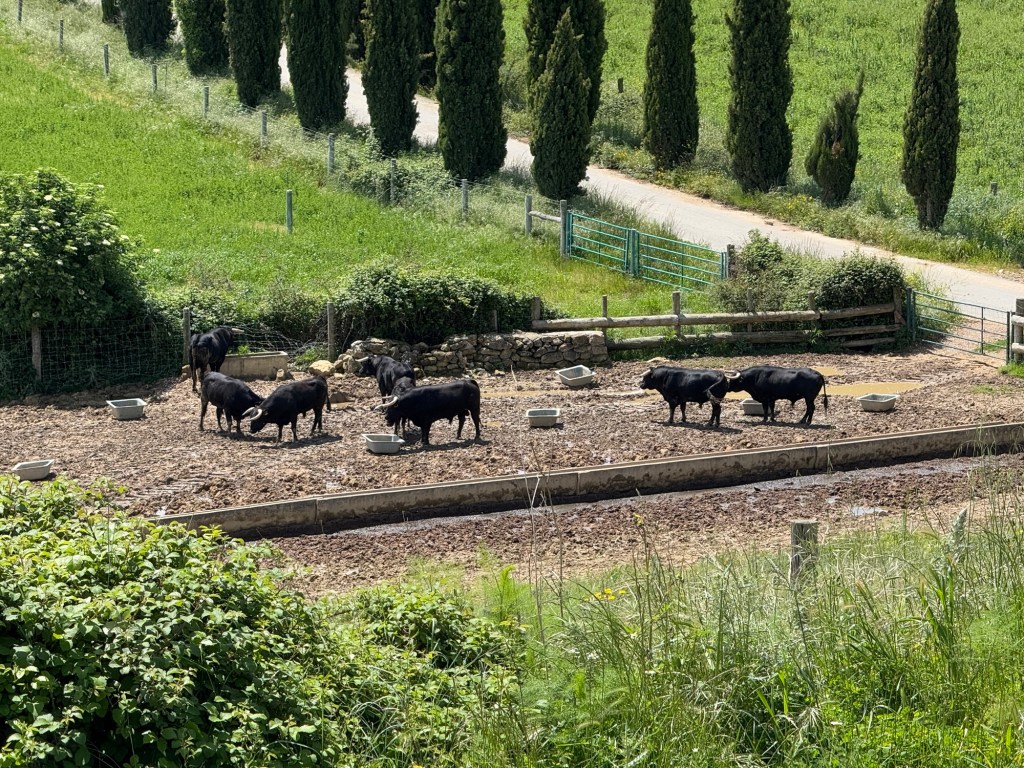
    With soreness and back pain from the previous day easing, I felt strong enough to bypass Estella, pushing 18 miles via an alternative route to Villamayor de Monjardin. Things were going smoothly until I crossed the Ega River and Google Maps told me to turn right onto a road. Two sets of large metal gates blocked the way, so I unlatched and relatched them. The trail continued through a pasture, and as I began to crest the hill, my heart sank. Off in the distance, I could make out several large pitch-black silhouettes with white horns.

    Fuck, Fuck, Fuck.

    I’d inadvertently wandered into a bull pasture.

    GPS tracks of my encounter with los toros.

    I slowly retrieved my phone from my right pocket and double-checked Google Maps and FarOut—a hiking map app. The path seemed accurate. I’ve walked through cow pastures before, but this is Spain. And these were gigantic black bulls. With sharp and shiny horns. And I am not a matador. I took a few seconds to consider my options and quietly and carefully backtracked through the pasture, unlatched and relatched the gates, and retraced my steps to the bridge over the Ega where I’d turned right. Rounding the corner, I quickly identified my mistake when I spotted an overgrown hiking trail hugging the fenceline of the pasture.

    Los Toros from the correct path.

    Heart still racing, I continued on, finally reaching a hostel in Villamayor de Monjardin run by Dutch volunteers. When I arrived, it looked like I would have the place all to myself. At about 6 p.m., I was joined by two brothers—Alden and Grant—from Michigan. We spent an hour talking comedy and politics.
    I showered, turned down dinner, and went to bed early to try and get a good night’s rest.

    The approach to Villamayor de Monjardin
  • ¿Cuánto cuesta una cerveza grande?

    I kicked off at 7:40 AM from Cizur Menor, feeling light on my feet after paying 6 euros to have my pack transported to Puente la Reina. The morning started with a steep climb out of Pamplona, made trickier by a 2-mile detour around a washout—likely from the previous day’s thunderstorms.

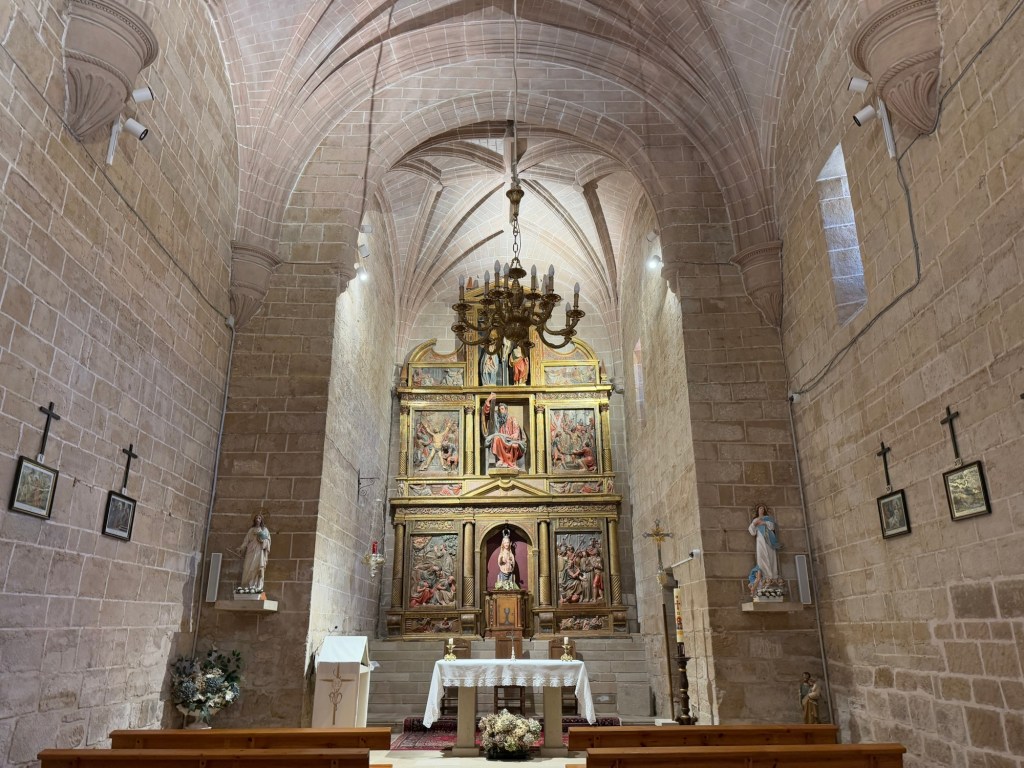
    Three hours in, I rolled into the tiny central square of Zariquiegui. The village’s 12th-century church, San Andrés, caught my eye with its Romanesque arches and weathered stone facade. I spent a few quiet moments inside, admiring the stonework and architecture, before popping into the corner store for a couple of pastries.

    The trail climbed toward the Alto del Perdón, where white windmills loomed larger with every step. In the distance, I could make out the iconic silhouettes of the steel pilgrim sculptures. The rusted figures, pilgrims frozen in mid-stride, are one of the most recognizable public art displays on the Camino Frances. The view was breathtaking.

    The steel statues of Alto del Perdón

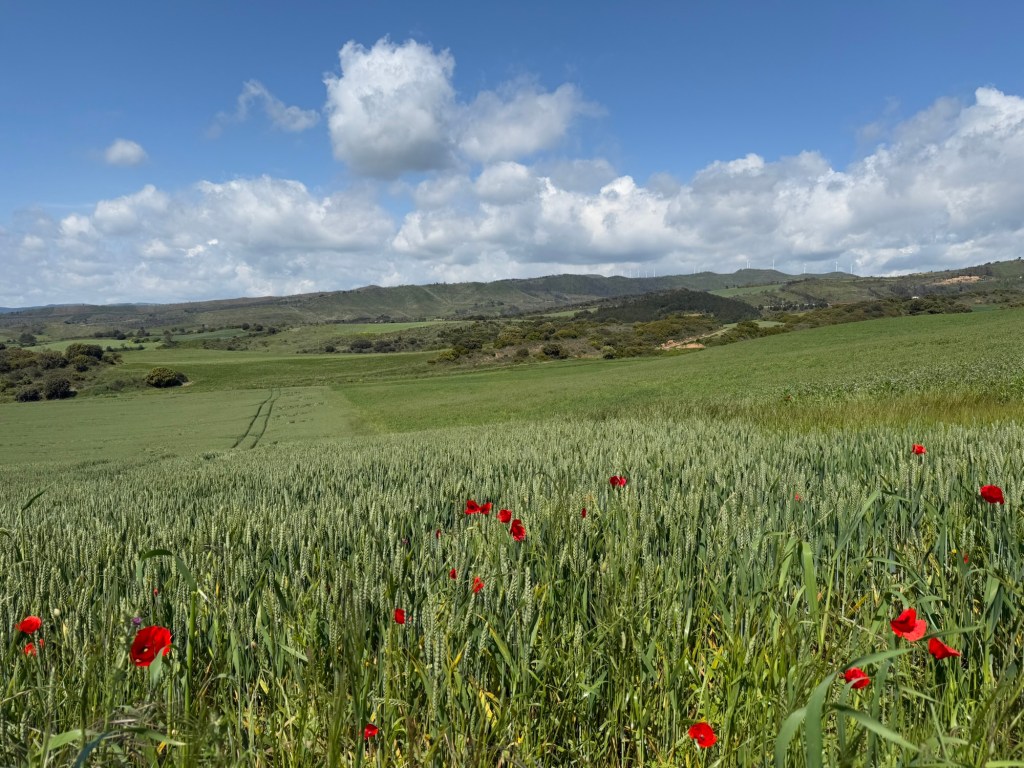
    I scrambled onto a rocky outcrop off the trail and set up my phone to record a timelapse of the windmills and clouds. Then came the descent—a nightmare of loose rocks ranging from pingpong to tennis ball size. Every step threatened to roll an ankle. But as the path leveled out, I was greeted by a sea of green wheatfields stretching all the way to the horizon, dotted with vibrant red poppies blooming along the trail. It was like walking through a painting.

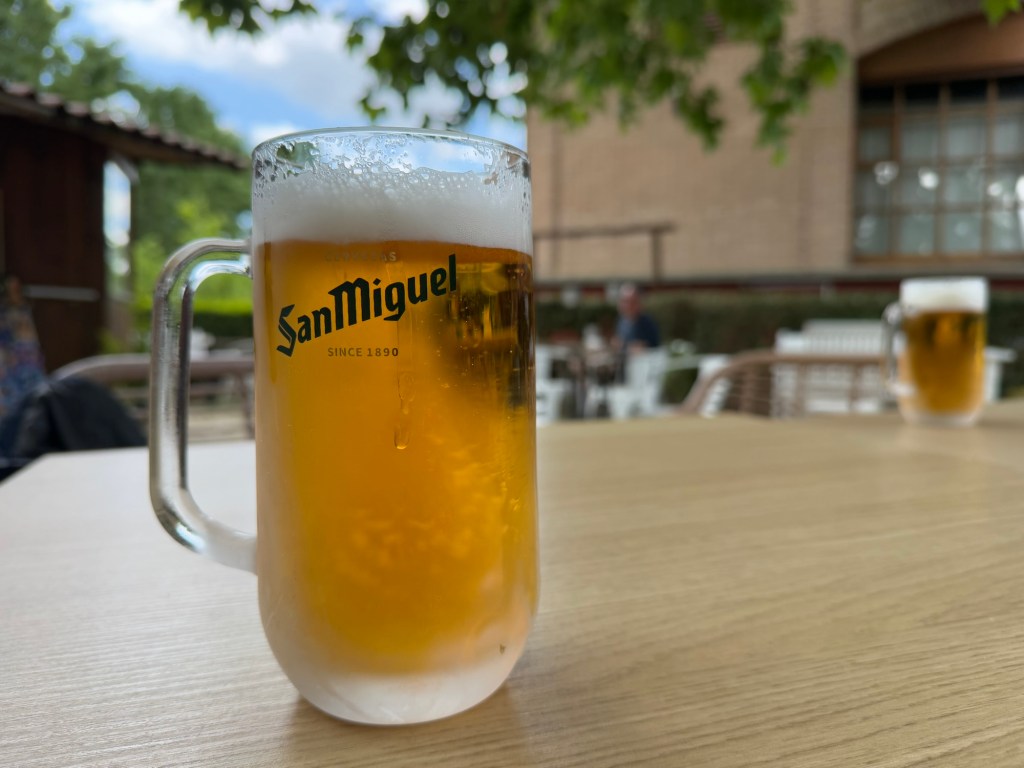
    By 12:30, I hit the small village of Uterga. I pulled up to the bar and ordered a “grande cerveza”—a 16oz draft that set me back 4.50 euros. For a region that appears economically depressed, these beer prices are starting to feel like highway robbery.

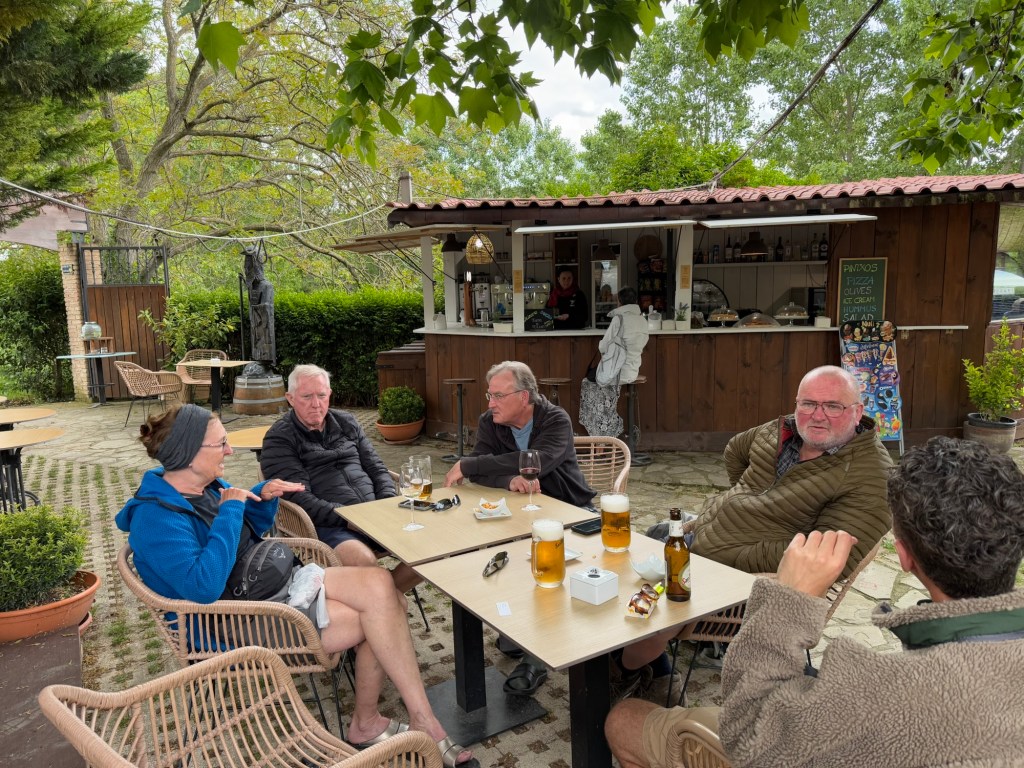
    I breezed through Muruzabal and Obanos without stopping, arriving at Hotel Jakue on the outskirts of Puente la Reina around 2:15 PM. My Apple AirTag showed my pack hadn’t arrived yet, so I joined Tom, a Scottish musician with a knack for storytelling, for a few beers. We dove deep into the history of American and British rock—Dylan and the Beatles, to ABBA and REM. Soon, Scott and Mary, a couple from Brisbane, joined us. Our conversation zigzagged from hiking routes in New Zealand and Australia to a surprising Florida connection: their nephew plays basketball for FGCU, just a stone’s throw from where I used to live near Fort Myers. Beers flowed for four hours, each one costing 6 euros. By the end, I was properly intoxicated and my wallet was noticeably lighter.

    Around 6 PM, I pinged my AirTag—my pack had finally arrived at Albergue Padres Reparadores, my hostel for the night. I checked in, took a much-needed shower, and made my bed in the dorm-style room. Then I joined Tom and Alex for dinner at a nearby steakhouse. The food was good, the beers kept coming, and by the time I stumbled back to the hostel, I was ready to crash. I passed out on my bunk, the day’s 14+ miles and countless conversations swirling in my head.

    Today was a reminder of why I love walking the Camino: the physical challenge, the stunning landscapes, and the unexpected connections with strangers who feel like old friends by the end of the day. The rocky descent tested my patience, the poppies lifted my spirits, and the beer prices tested my resolve to stick to a budget. Tomorrow, I’ll keep walking, keep talking, and maybe start asking for beer prices upfront.

  • Hemingway, Flamenco, and Forbidden Topics

    Hemingway, Flamenco, and Forbidden Topics

    I woke at 7:15 a.m. to the sound of birds chirping and a swollen Arga river rushing from yesterday’s heavy rains. My calves and thighs were sore from the prior days’ hikes, so I popped a couple Advil.

    The Arga River after a night of rain

    In the kitchen, I perused a Basque guidebook while two pilgrims, Martha from the Netherlands and Mary from Ireland, chatted nearby. Upon learning I was American, they immediately dove into two of the three forbidden topics. Mary asked my opinion on Donald Trump, and Martha wanted to discuss American Evangelism. I sidestepped Mary’s question with Marcus Aurelius’ line, “You always own the option of having no opinion.”

    But Evangelism? I grew up in Lynchburg, Virginia. I explained the core mission of evangelists: to save souls from eternal damnation. Some do this loudly with megaphones and signs at public events, like Westboro Baptist Church, while others take a quieter approach, coaxing neighbors to church functions.
    Martha cut in. “I understand all that. I want to hear about tongues and snakes.”

    Alright, I thought, straight to the good stuff. “Are you familiar with Pentecostalism?” I didn’t bother explaining. I pulled out my laptop, opened YouTube, and played a scene from Sacha Baron Cohen’s Borat—the one where Cohen’s character goes to church to get saved. They weren’t ready. Both women erupted in uncontrollable laughter. Halfway through, when Borat asks if Jesus loves his neighbor, Mary, crying from laughing so hard, begged me to stop.

    “Nobody like my neighbor Nursultan Tulyiagby.”

    I let it run a little bit longer, closed my laptop, and put my pack on.

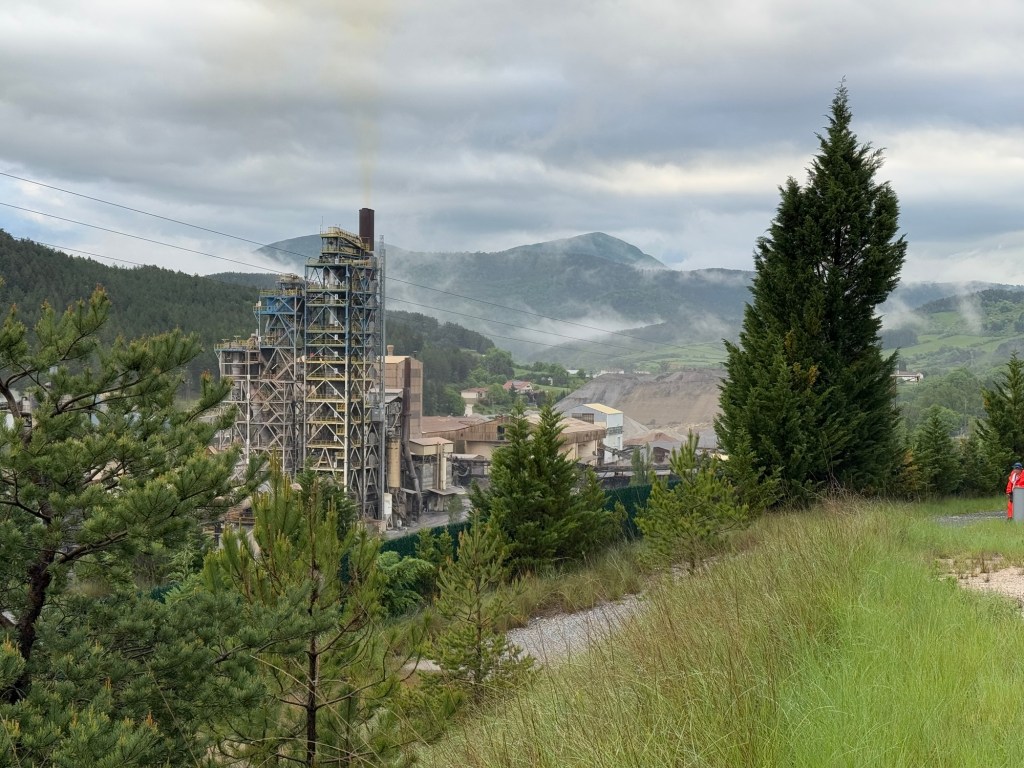
    I set out from Zubiri, passing a magnesium smelting facility a quarter-mile outside town. Cresting a hill, the valley to Pamplona opened before me. The sky was gray, with clouds hanging low over the landscape. The cool air after the rain felt like natural air conditioning.

    Magnesium smelting operation outside of Zubiri

    After five miles, the Camino rejoined the Rio Arga. At 10:30 a.m., I crossed the river at Zuriain and stopped at La Parada, a trailside café, for a roast ham bocadillo. A pair of flamenco guitarists, who appeared to be father and son, strummed away in a corner, their music filling the air.

    Crossing the Arga into Zuriain. La Parada is on the left.

    As I approached Pamplona, the trail climbed up the side of a ridge above the Arga and passed through a gorge. The path rounded the mountain to the west, revealing the first glimpse of Pamplona—a small cluster of white stucco-on-stone buildings with red tile roofs at the base of a lush green hill. Another turn to the southwest brought the city proper into view.

    The northern outskirts of Pamplona

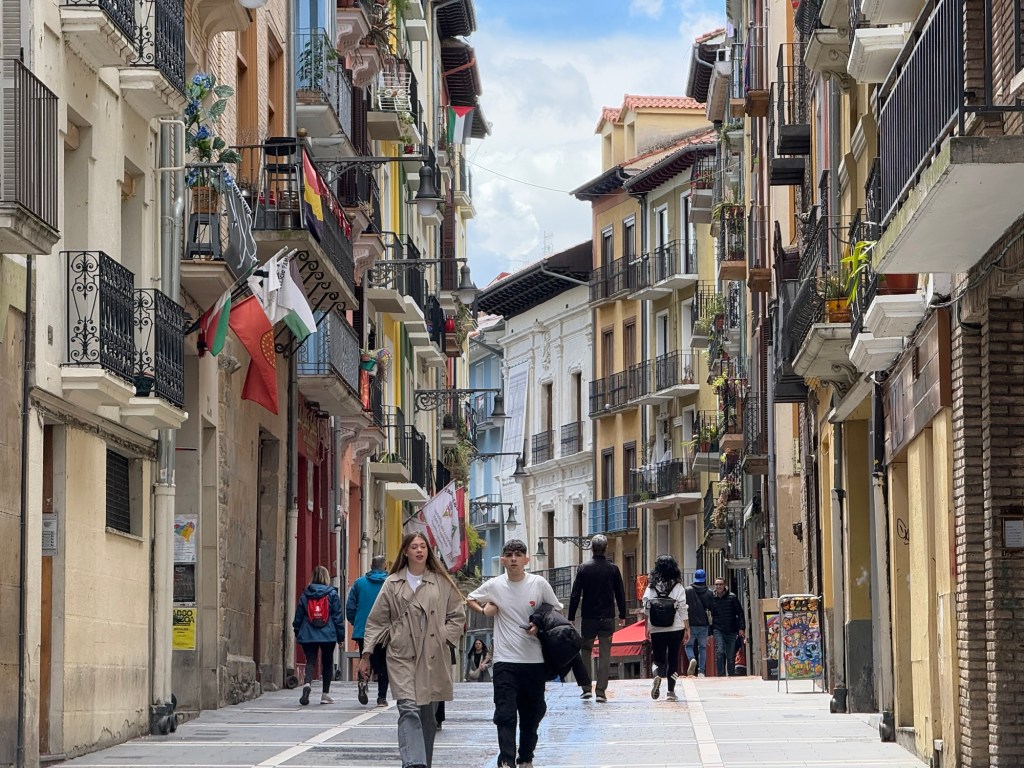
    I crossed the medieval Trinity Bridge over a swollen Ulzama River into Villava. During the short distance from the river to Pamplona, I walked into a gigantes y cabezudos performance. Literally, giants and big heads. It’s a tradition which apparently goes back centuries.

    Trinity Bridge on the Ulzama River

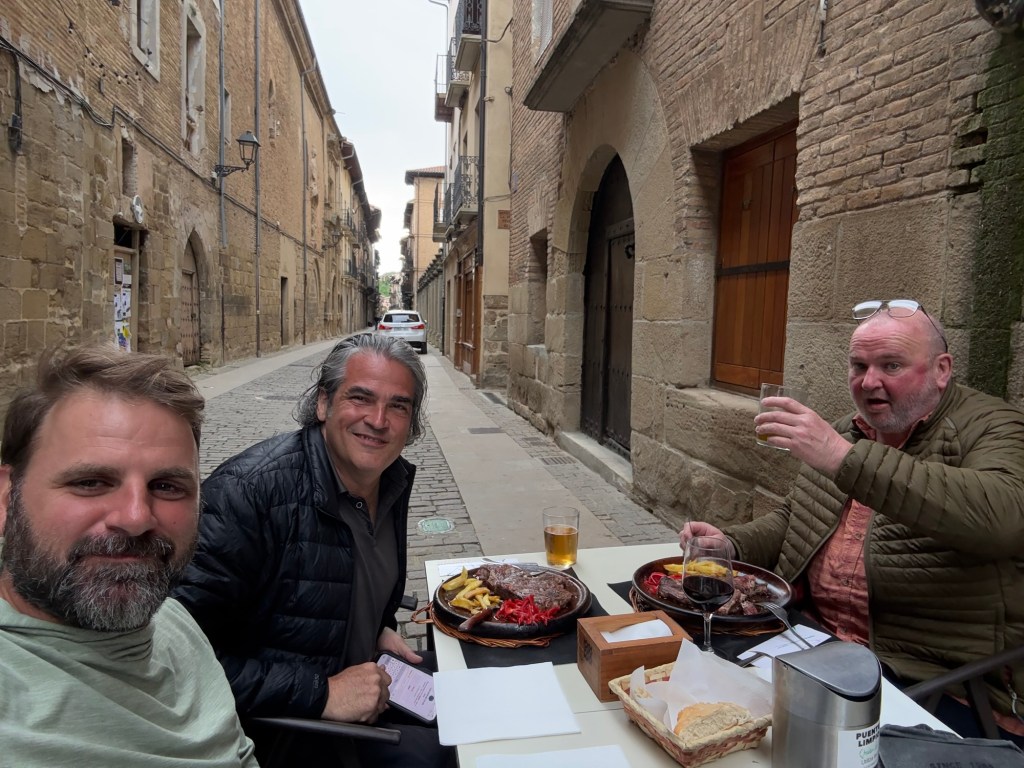
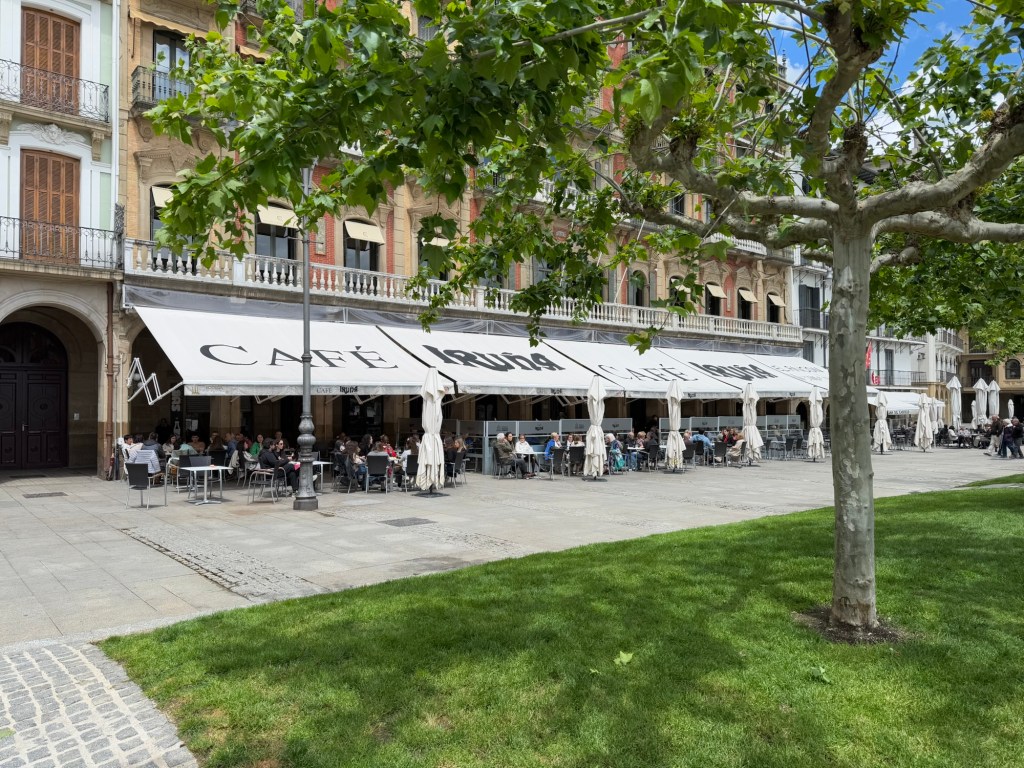
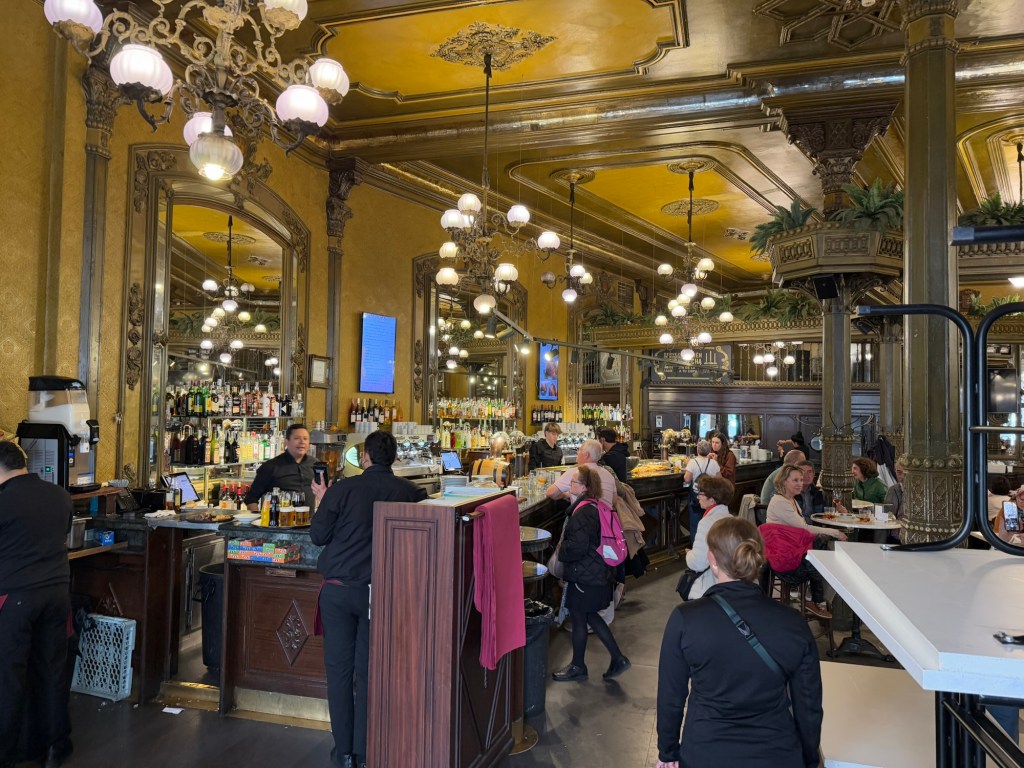
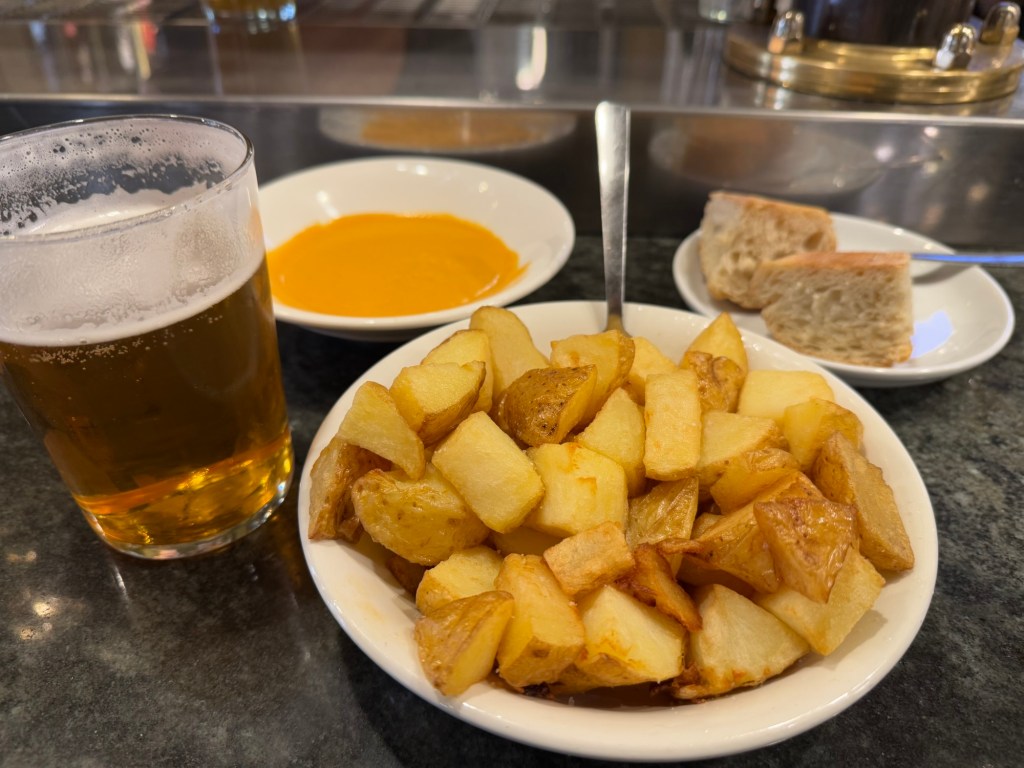
    After that bit of distraction, it took me about an hour to reach the city center. I walked into Café Iruña, saddled up to the bar, and ordered a cerveza, patatas bravas, and tarta de manzana—all recommended by fellow pilgrims. One step inside, and it’s clear why Hemingway spent so much time here. Places like this, with their timeless charm, just aren’t common anymore.

    Cafe Iruna
    The interior of Cafe Iruna
    Patatas Bravas

    After a quick meal, I stuck to my original plan and hiked another two miles to Albergue Sanjuanista de la Orden de Malta in Cizur Menor. Along the way, the trail passed through the University of Navarre. It may just be one of the most beautiful campuses on earth.

    The grounds of Universidad de Navarra

    At 3:45 p.m. I arrived at the hostel, took a shower, and did a bit of laundry in an outdoor sink. I’ve stayed here before—it’s spartan, but adding these extra miles today sets me up for an easier walk to Puente la Reina tomorrow.

    Pamplona
  • The Sun Also Rises

    The Sun Also Rises

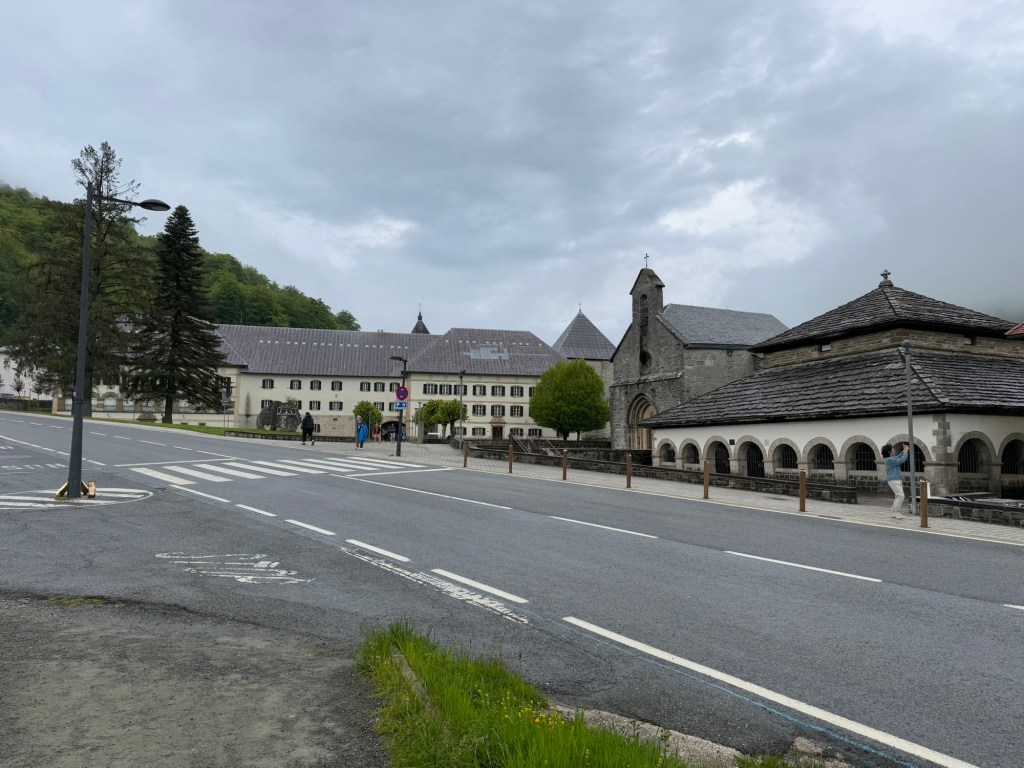
    I woke at 6:30 a.m. to the sound of church bells and chanting monks, punctuated by a Dutch hospitalero ringing a small red bell to rouse any lingering sleepers across the floors. For €15, you get a bed, but not a late checkout—hospitaleros need time to reset nearly 200 bed spaces for the day’s incoming pilgrims. I was packed and out the door by 7:15 a.m., heading 14 miles southwest to Zubiri.

    Roncesvalles Monastery

    Leaving the monastery, I followed a dirt path running parallel to the main road toward Burguete. The air was alive with the chirping of birds, their songs echoing through the surrounding forests of oak and beech. The early morning light filtered through the trees, casting a soft glow on the path ahead.

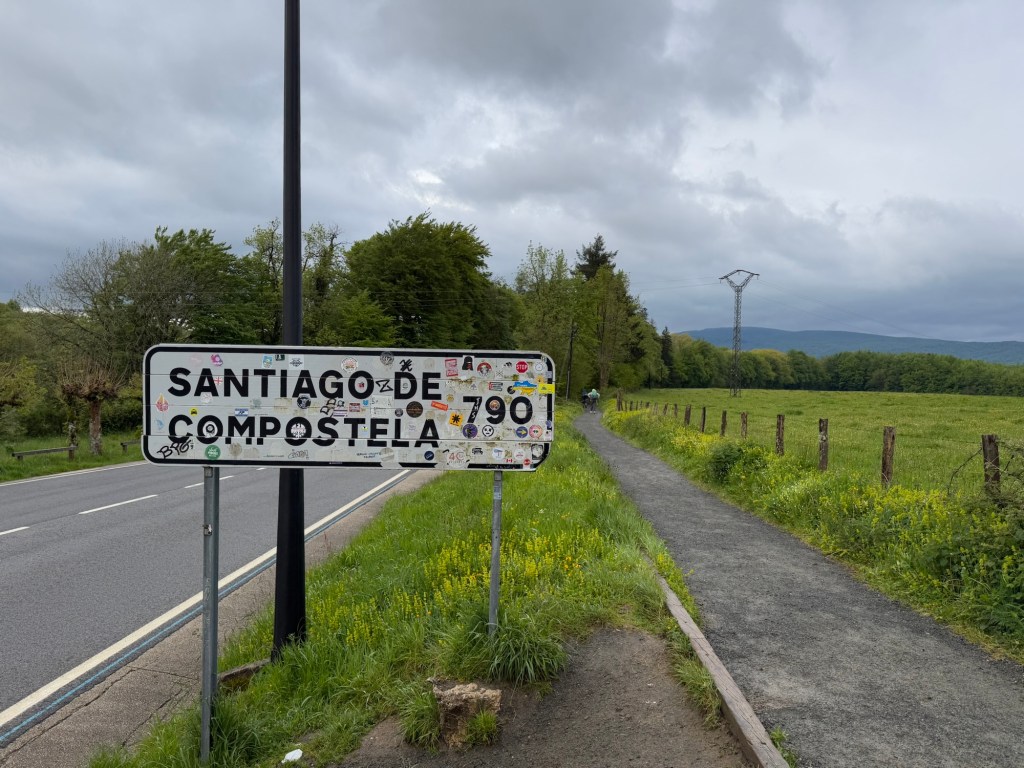
    A sign outside the monastery show the distance, by car, to Santiago. It’s one of the most photographed places on The Camino

    This area holds a special place for me because of its prominence in Hemingway’s The Sun Also Rises. The Roncesvalles monastery gets a mention as the characters pass through en route to Burguete, one of the novel’s key settings. Hemingway visited at least twice to fish the Irati River for trout—in 1924 and again in 1925, just before Pamplona’s San Fermín festival, a century ago. The landscape likely looks much as it did then. Without Hemingway’s spotlight, Burguete might be best known for a grim 16th-century episode when five alleged witches were burned at the stake.

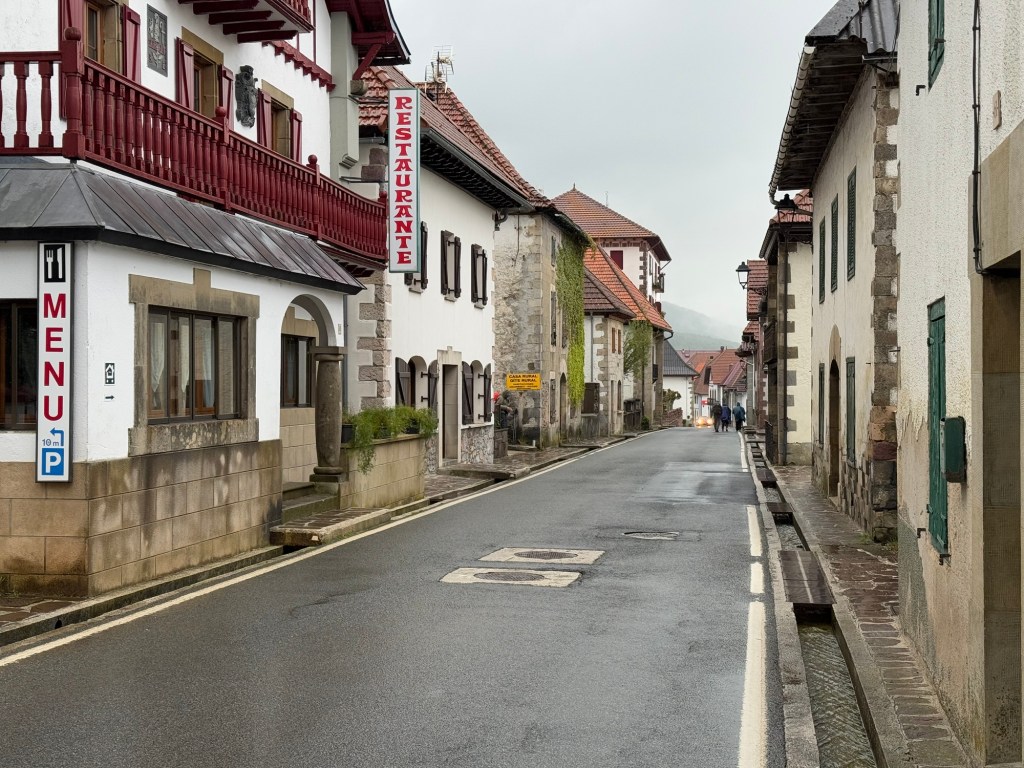
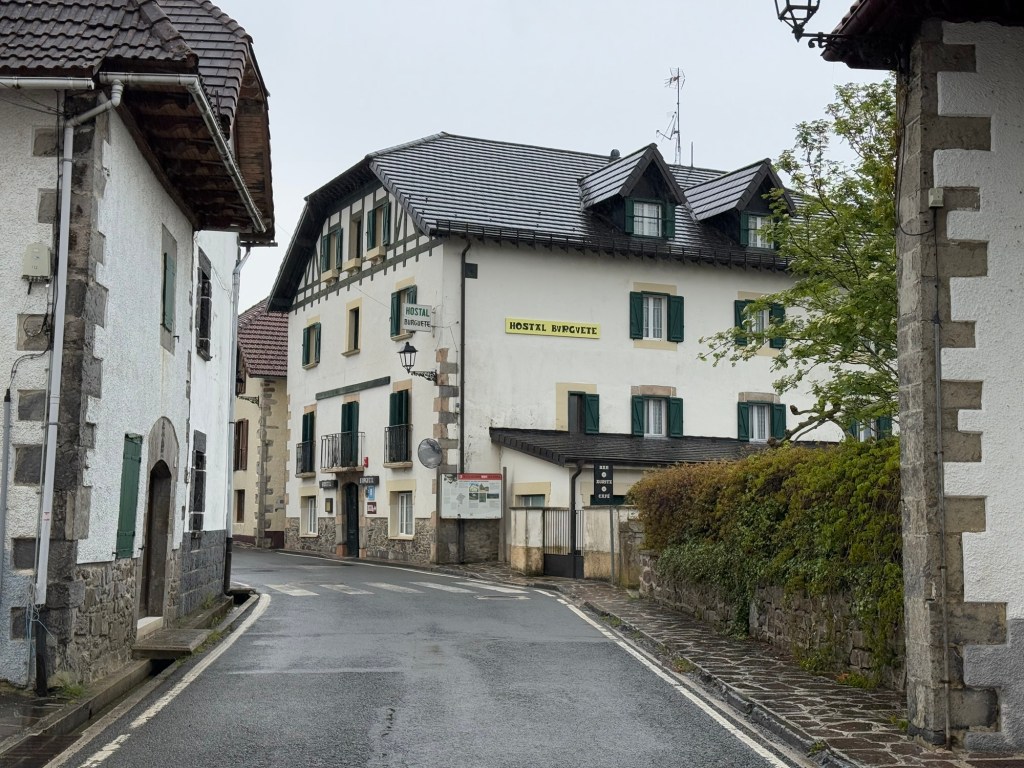
    The main thoroughfare through Burguete

    I reached Burguete around 8 a.m. and took a few photos of Hostal Burguete, the hotel where Hemingway, his wife, and friends stayed. I’d love to book his room on a future visit.

    Hostal Burguete hosted Hemingway in room 23 during his visits to the area

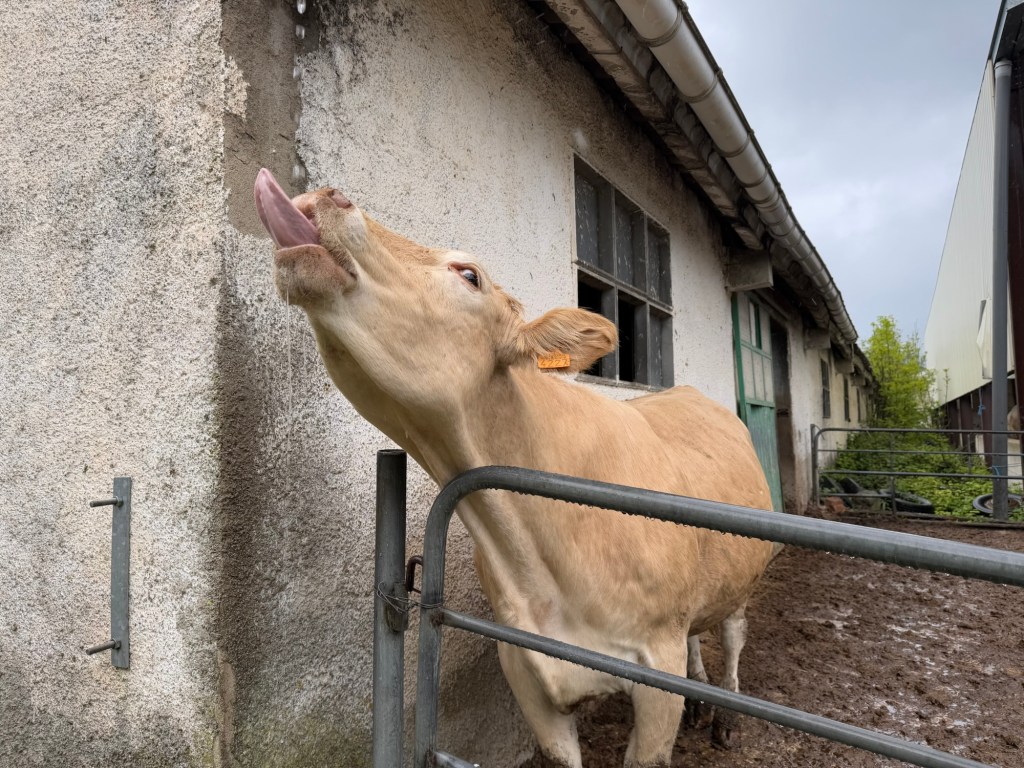
    Leaving Burguete, I approached a barn full of cows. As I passed, one cow walked toward the fence, seemingly to meet me. I thought it might want head scratches, but it was only interested in the fresh water leaking from the rain gutter.

    That’s one strange cow.

    I didn’t linger—severe thunderstorms were forecast to start at noon, and I was determined to secure a bed at the Rio Arga Hostel in Zubiri, which overlooks the river and has been on my list of places to stay for years. I’d messaged the owners the night before for a reservation, but they requested my credit card number and expiration date via WhatsApp to confirm. Unwilling to share that information over chat, my best option was to arrive first.

    Not so fun fact: Spain is the leading producer of horse meat in the EU. Roughly 88% of this production originates in the northern provinces.

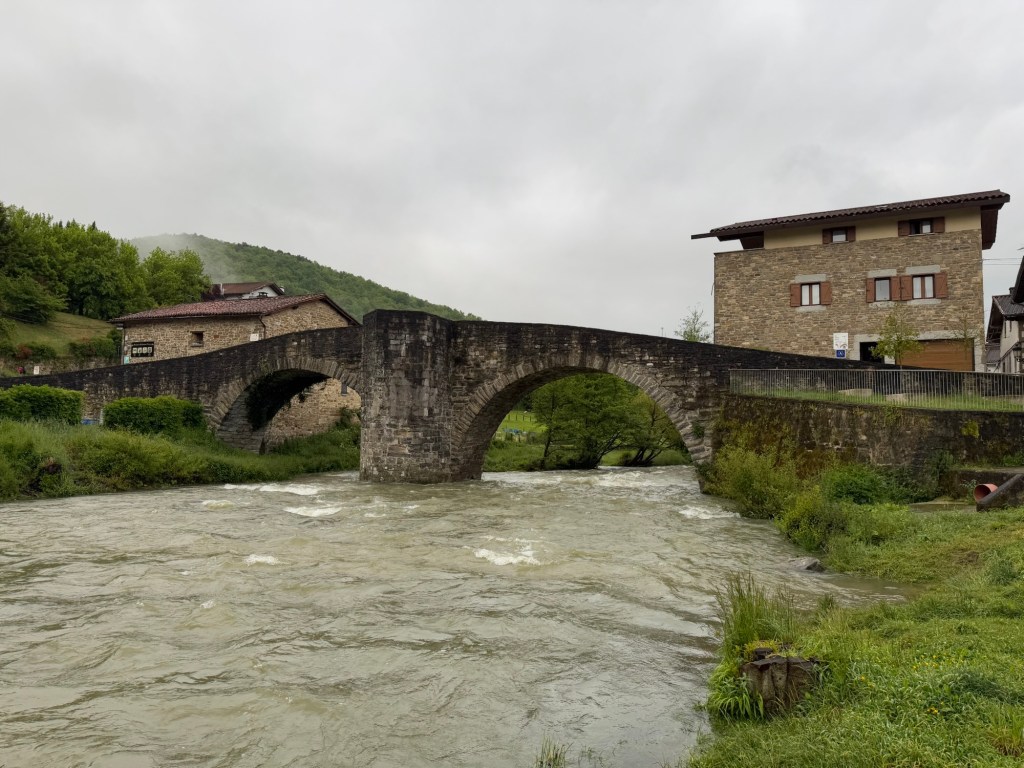
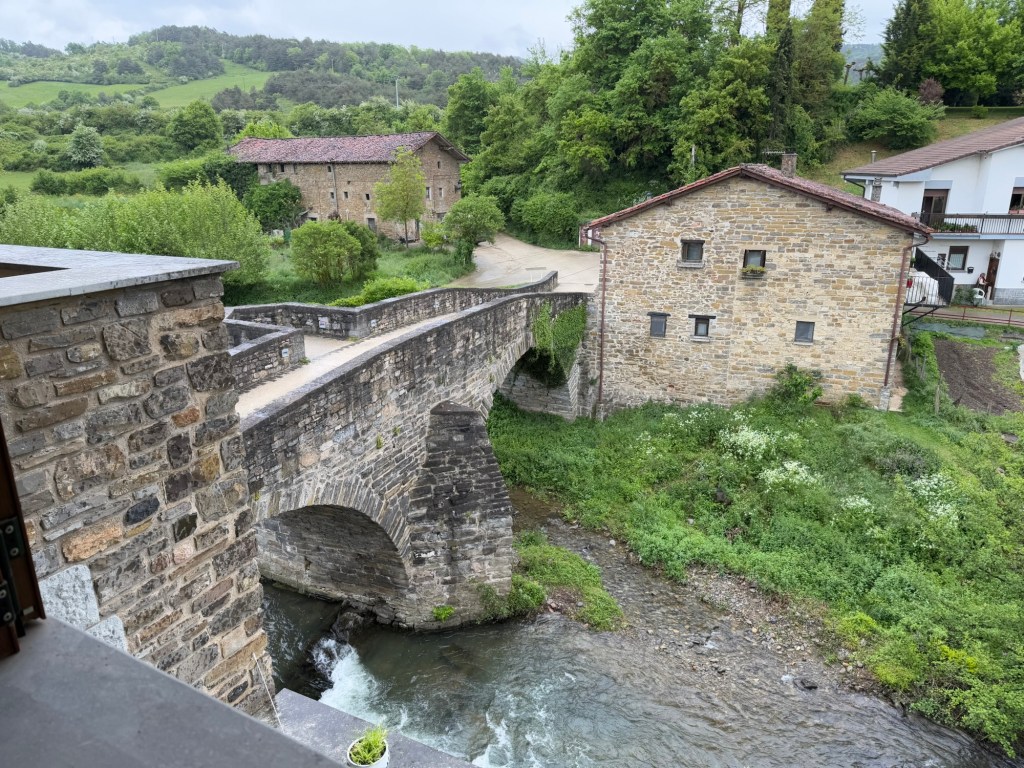
    I powered through the day, stopping only for water and to don a poncho during a brief period of drizzle. The terrain was mostly downhill, but carrying my pack made the minor uphill sections noticeable. I arrived in Zubiri at half past noon, crossed the 12th-century Gothic “Bridge of Rabies,” and entered Albergue Rio Arga Ibaia. I beat both the rain and the crowd, becoming the first to check in. The owner, Sabina, had me in a room overlooking the bridge and river in under five minutes. Hospitaleros could learn a thing or two from her.

    The view of The Bridge of Rabies and the Arga River from my room.

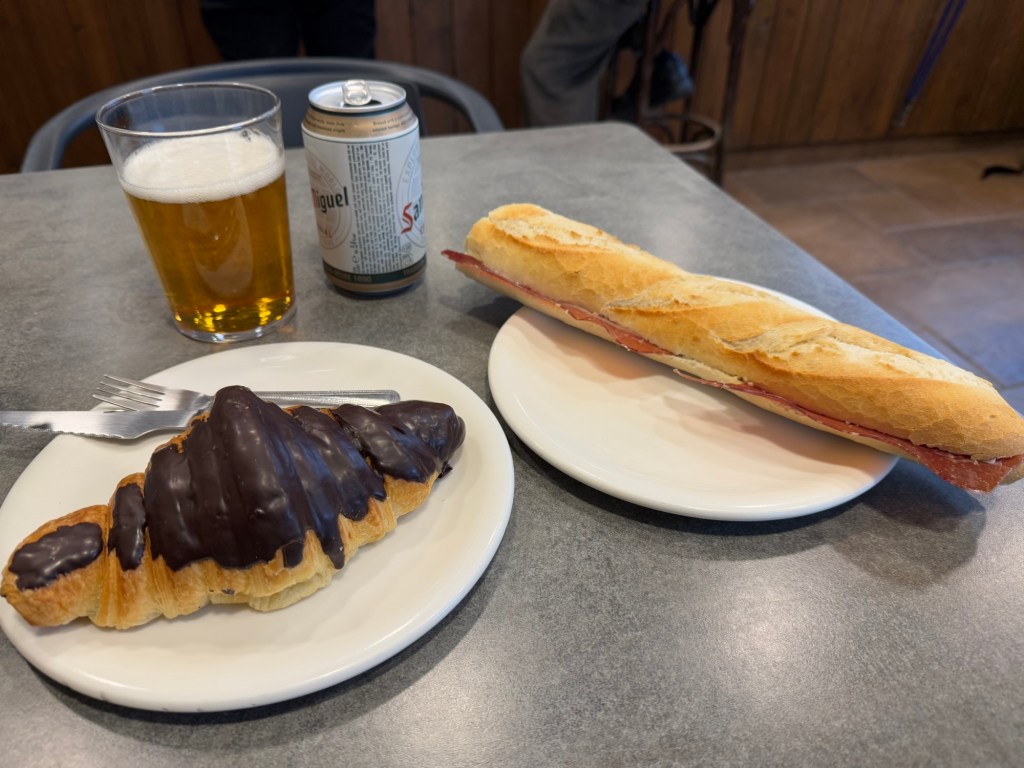
    Spain’s Saturday is like the American South’s Sunday—most places are closed from mid-afternoon until morning. After stowing my gear in a locker, and before businesses shuttered for the day, I walked a few blocks to Txatxoberri, a bakery, for a ham and cheese bocadillo, beer, and a chocolate croissant the size of my head. As I ate, the skies opened, and rain poured down. I dashed across the street to the town’s only grocer, grabbing beer and ingredients for Alfredo pasta for dinner, then sprinted three blocks back to the albergue to avoid getting soaked.

    Lunch at Txatxoberri

    I’m haven’t decided where I’ll end up tomorrow, but I’m thinking of passing through Pamplona to a hostel in Cizur Manor, stopping only to grab a drink and a bite to eat at Café Iruña—one of Hemingway’s favorite haunts.

    An audio version of The Sun Also Rises is available free on YouTube:

  • …y eso es justo lo que harán

    …y eso es justo lo que harán

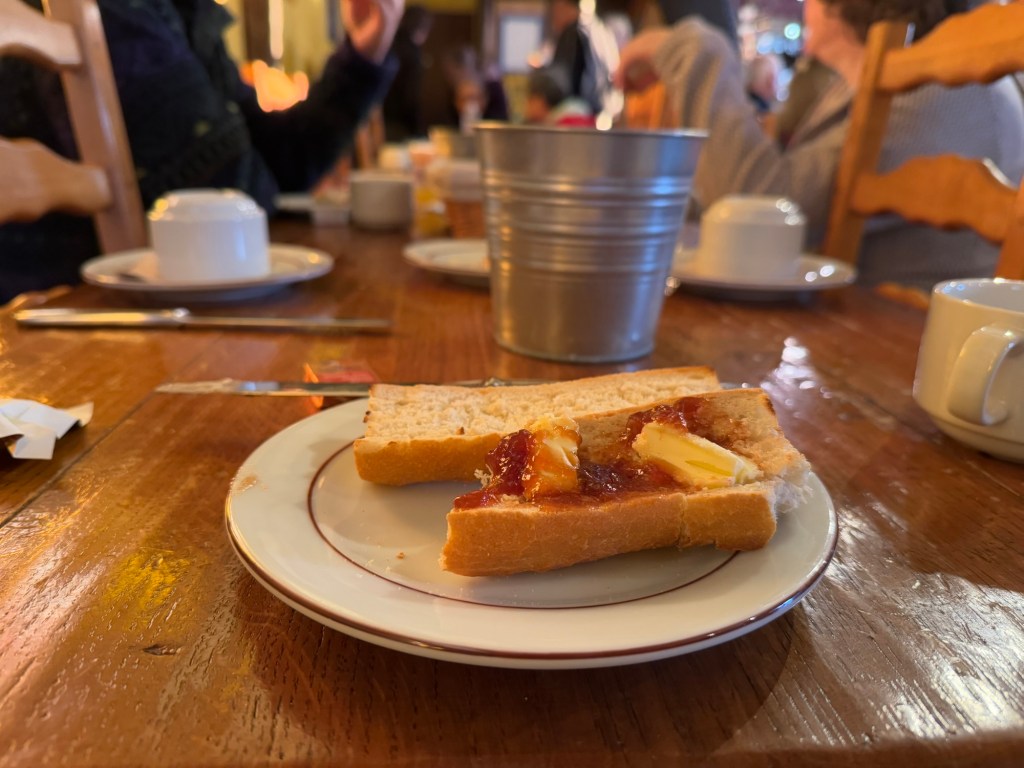
    I awoke in Orisson at 7 a.m. and walked across the road to the dining room for breakfast—toasted baguettes with butter and assorted jams—standard European fare.

    Toast for breakfast

    Thirty minutes into my day, I packed up my daypack and backpack, arranging for the blessed Donkey Service to transport the bulk of my belongings over the Pyrenees into Spain to the monastery at Roncesvalles. I bought a ham and cheese bocadillo and took to the road.

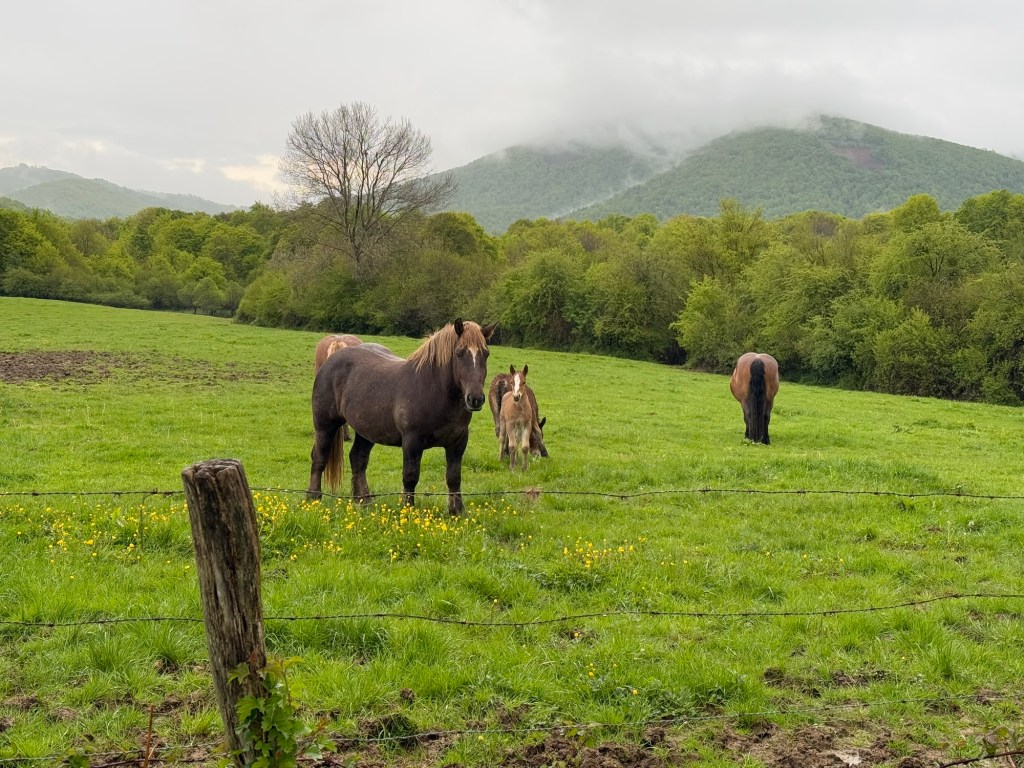
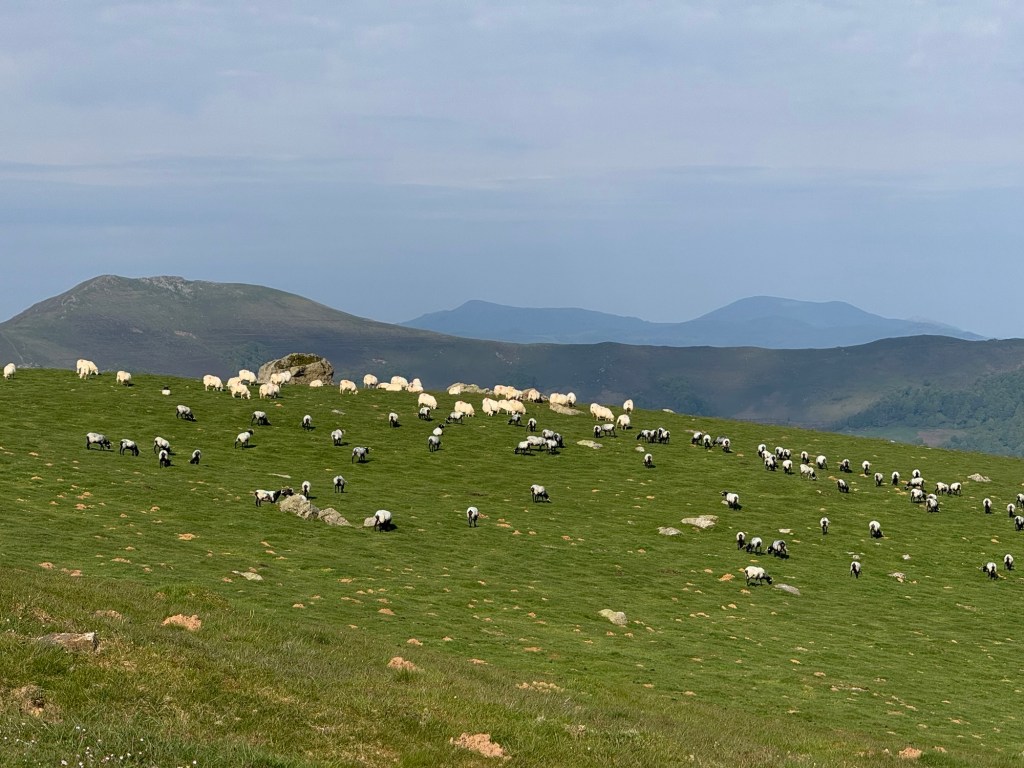
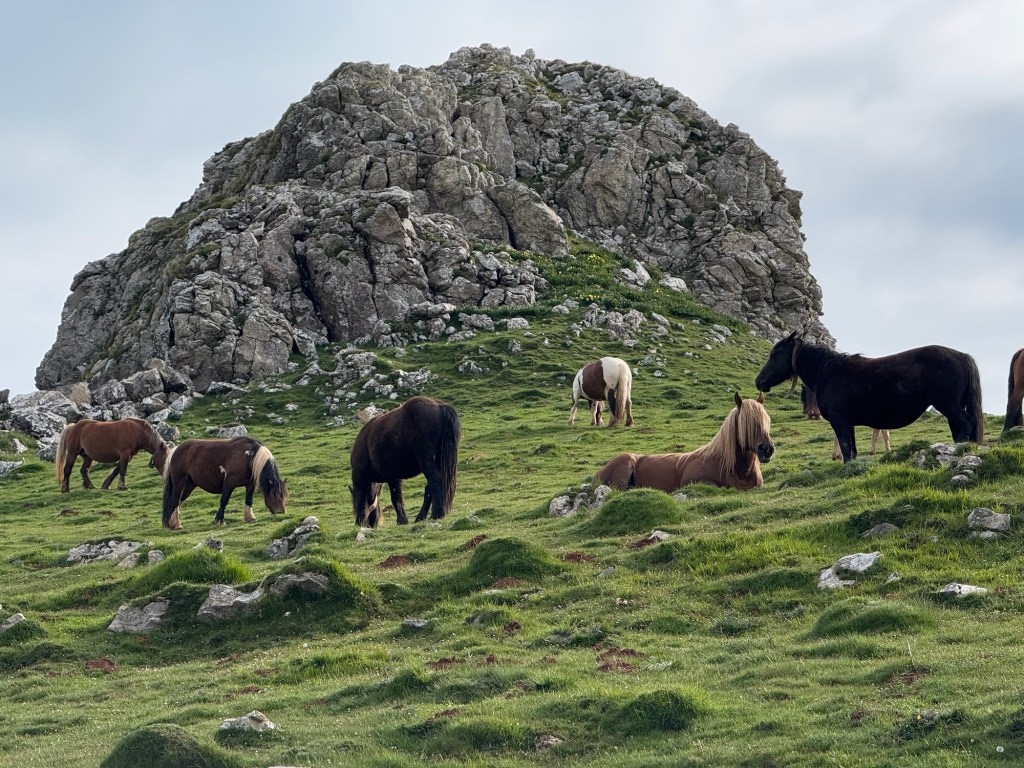
    Livestock lined the trail as I continued the climb—first cows, then horses. At the highest elevations, sheep. The weather was mild enough for shorts and a thin shirt. My back pain returned, but the views, as before, proved an adequate distraction. I left the Advil in the pack.

    Sheep
    Goodbye, horses

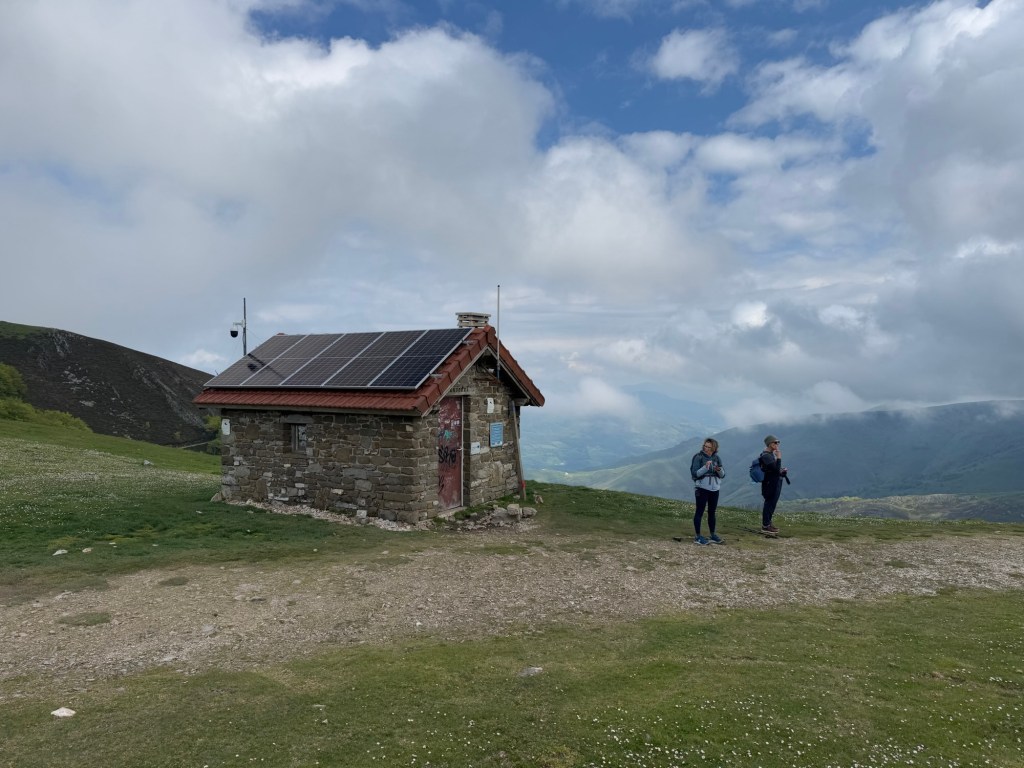
    The day required ascending 2,000 feet over eight miles to the near-mile-high Lepoeder Pass, followed by a three-mile, 1,600-foot descent to Roncesvalles. Just before the pass, I stopped by Refugio Izandorre, a small stone emergency shelter with solar panels and various instruments and transmitters, and ate my sandwich. I concluded the hut would make an adequate home.

    Refugio Izandorre emergency shelter

    Crossing the border into Spain, I opted for an alternate route, avoiding the steep, wooded descent most pilgrims choose. I followed the road west down to the valley below before cutting back east toward the monastery.

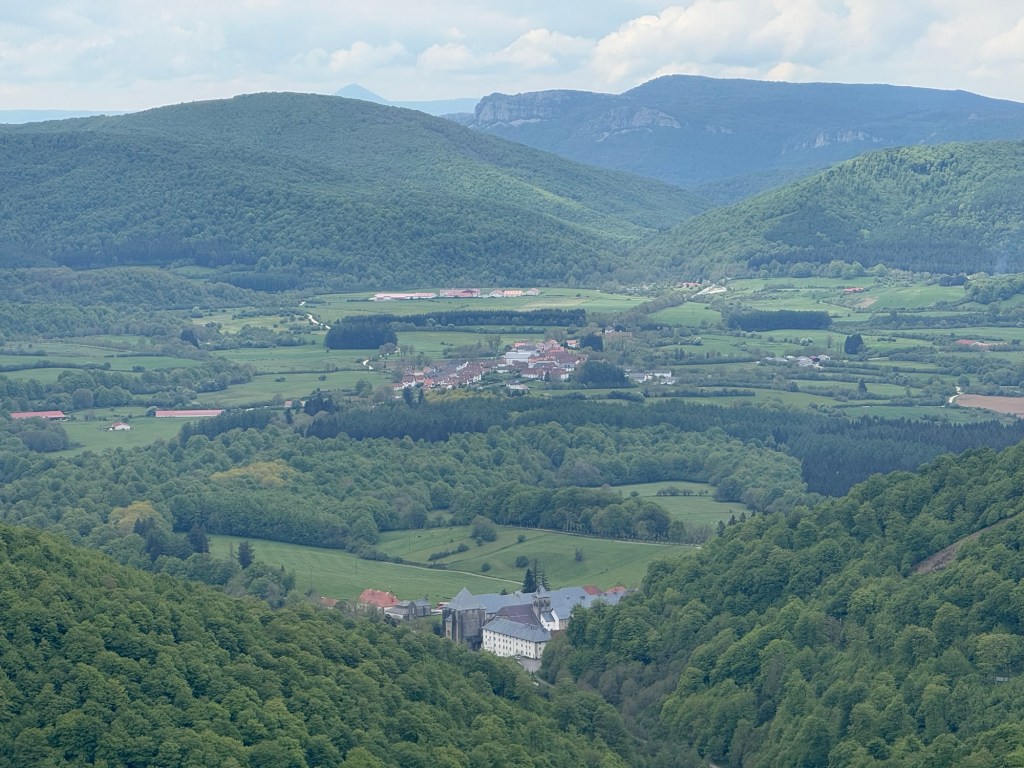
    A view of Roncesvalles Monastery from the alternate route. The small town of Burguete, Hemingway’s home while writing The Sun Also Rises, is in the background.

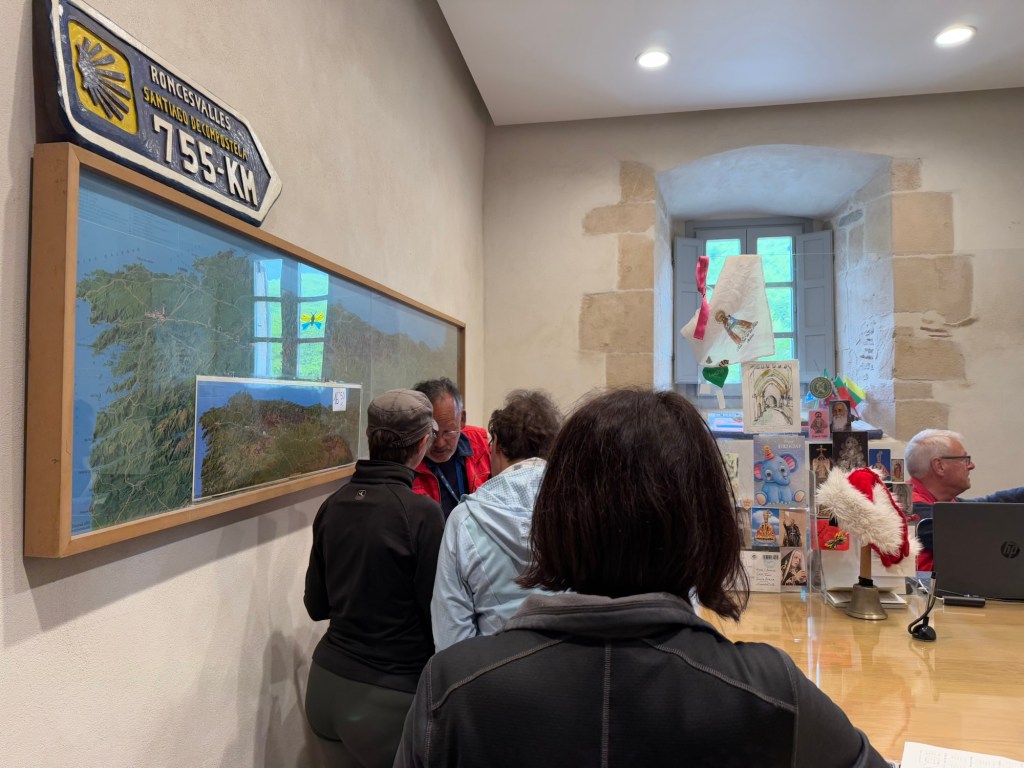
    I arrived at the monastery at 1:20 p.m. and stood in line until 2 p.m. when the hospitaleros unlocked the check-in office’s door. The Dutch volunteers were dedicated, but like the pilgrims’ office in St. Jean Pied de Port, they prioritized thoroughness over efficiency. With only two volunteers handling check-ins, the process dragged on for more than an hour.

    A near unbearable wait

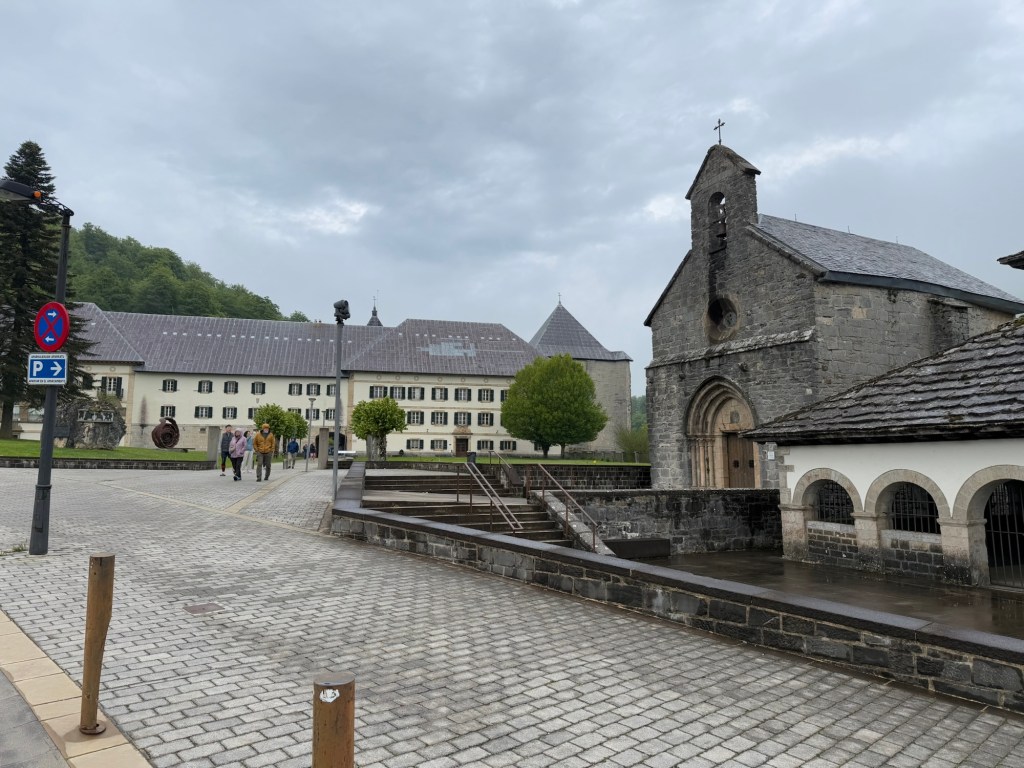
    I was assigned a top bunk on the second floor of the 12th-century main building. The partitioned bunks offered some degree of privacy, a relief compared to the fifth floor’s wallless room, where up to 100 pilgrims will sleep in the open like refugees inside a relief tent.

    Monastery at Roncesvalles

    I took a long, hot shower and spent a couple of hours writing syllabi and publishing assignments for two online courses I’ll teach this summer. I prefer not to work summers, but the last-minute offer was too lucrative to turn down—it’ll cover the cost of this trip and all my bills back home twice over.

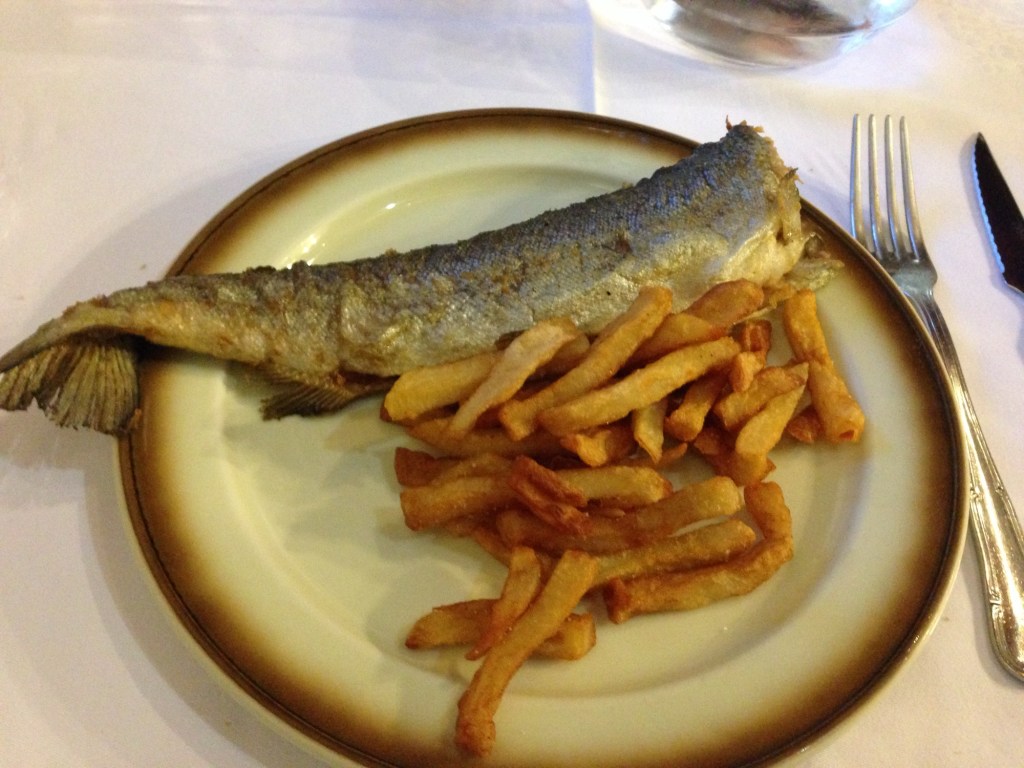
    Last time I was here, dinner was fried trout—tail and all. According to Hemingway, it’s an area staple. I decided to fast until i pass through Burguete in the morning.

    My meal in Roncesvalles in 2014